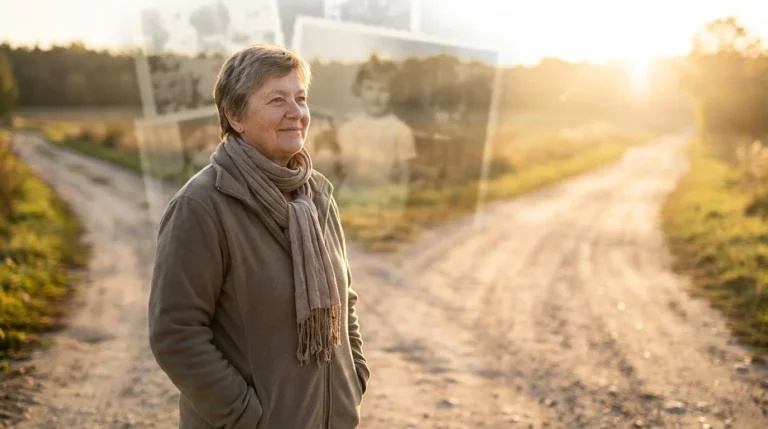
Rediscovering Yourself After Divorce in Your 30s: A New Chapter

Divorce in your 30s hits differently. You’re not just mourning a relationship—you’re confronting a fundamental shift in who you believed you were and where you thought your life was heading. The dreams, plans, and identity you built around being part of a couple suddenly dissolve, leaving you to face an unfamiliar question: Who am I now? For more guidance, see Divorce And Self Discovery Journey.
This question isn’t just common—it’s nearly universal. Research shows that individuals who strongly tie their identities to their marriage experience levels of distress after divorce that are only slightly lower than those who experience the death of a loved one or major job loss, according to a 2015 study by Papa and Lancaster. The pain is real, but here’s what the research doesn’t always capture: within that pain lies the seeds of something extraordinary. Rediscovering yourself after divorce in your 30s isn’t about returning to who you were before—it’s about becoming who you were always meant to be.
Understanding the Impact of Divorce on Your Identity in Your 30s

Your 30s represent a unique intersection in life. You’ve accumulated enough experience to know yourself somewhat, yet you still have decades of possibility ahead. When divorce disrupts this decade, it can feel like the ground beneath you has crumbled.

Why Divorce in Your 30s Feels Different
Divorce at this stage carries distinct weight. Many people in their 30s have built their lives around shared assumptions: a partner to grow old with, a co-parent for current or future children, someone to share financial responsibilities and dreams. When that foundation shifts, everything built upon it feels uncertain.
Your career may be in a critical growth phase, and suddenly you’re navigating single income or new financial pressures. Friendships formed as couples can feel awkward or dissolve entirely. Family members who expected grandchildren or holiday traditions may unintentionally add pressure with their questions and concerns.
Perhaps most significantly, you’re old enough to have invested years—sometimes a decade or more—into building a shared identity. The longer you were married, the more intertwined your sense of self became with your role as a spouse. Unraveling that identity takes time and intentional effort. If you are struggling with this shift, exploring how to rebuild identity after divorce can be a helpful first step.
The Emotional and Psychological Shifts
The emotional terrain of divorce is rarely linear. As author and journalist Maria Leonard Olsen describes, “Divorce can feel like a death—not of love, but of identity. One day, you’re part of a ‘we,’ and the next, you’re left with just ‘me.’” But she notes that this single pronoun holds infinite potential for reinvention.
You might cycle through anger, relief, sadness, and hope—sometimes within the same afternoon. These emotional waves are normal. Recovery moves in waves, not straight lines. Some days you’ll feel empowered and clear-headed; other days, getting out of bed might feel like an accomplishment. If you find yourself overwhelmed, learning how to process difficult emotions is crucial for healing.
The psychological shift involves more than processing emotions. You’re reconstructing your narrative—reframing your story from one of failure to one of growth and possibility. This reframing doesn’t happen overnight, but it’s essential for moving forward authentically.
Common Feelings of Loss and Disorientation
Beyond the obvious loss of a partner, divorce in your 30s often triggers grief over secondary losses: the future you imagined, the in-laws who became family, the home you created together, even the simple rhythms of daily life that provided structure and comfort. Related reading: Who Am I After Divorce At 35.
Many people describe feeling unmoored—like they’re floating without a clear destination. Questions like “Will I ever feel like myself again?” and “How do I even start over?” become constant companions. Social circles built around couple dynamics can feel uncomfortable or alienating, leaving you lonelier than before. If loneliness is setting in, exploring resources on overcoming loneliness after divorce can provide immediate comfort.
These feelings, while painful, serve a purpose. They signal that something significant has ended—and that something new must emerge. The disorientation you feel is actually the fertile ground from which your authentic self can grow.
Practical Steps to Rediscovering Your Authentic Self

Rebuilding life after divorce requires both practical foundation-building and intentional self-exploration. The following steps can guide you through this transformative process of self-discovery after divorce.

Prioritizing Practical Stability
Before deep emotional work can happen, you need a stable foundation. This means addressing the practical aspects of your new reality: finances, housing, legal matters, and daily logistics. Creating this stability isn’t just about survival—it’s about freeing mental and emotional energy for the deeper work of self-discovery [tawkify.com].
Review your financial situation honestly. Create a budget that reflects your new circumstances. If you haven’t managed finances independently before, consider working with a financial advisor who can help you understand your options and plan for the future. For those focused on long-term security, learning about building wealth after divorce strategies can be empowering.
Secure housing that feels like yours—even if it’s smaller or different than what you shared before. Your living space should reflect who you are now, not who you were as a couple. This physical environment becomes the container for your emerging identity. Learning how to redecorate home after divorce can help transform your space into a sanctuary.
Address legal matters promptly and thoroughly. Unraveling custody agreements is often a major part of this. If children are involved, understanding the basics of co-parenting after divorce advice can reduce stress significantly.
Reconnecting with Passions and Hobbies
Remember the activities that lit you up before marriage demanded your time and attention? The hobbies you abandoned, the interests that seemed impractical, the creative pursuits that got buried under shared responsibilities? This is your moment to reclaim them.
Clinical social worker Amanda JP Brown emphasizes that you cannot return to who you were before—divorce has changed you permanently. However, she explains that you can rediscover, redefine, and realign yourself with who you are and what you want in your life now. You might also like How To Redefine Yourself After Marriage Ends.
Make a list of activities you once loved or always wanted to try. Did you play an instrument? Paint? Hike? Dance? Write? Pick one and start small. Take a class, join a group, or simply carve out time each week to explore.
New hobbies serve multiple purposes: they fill your time meaningfully, introduce you to new people with shared interests, and help you discover aspects of yourself that may have been dormant for years.
Setting New Boundaries and Routines
Your previous routines likely revolved around your marriage. Now you have the opportunity—and responsibility—to create routines that serve your individual needs and goals.
Start with morning and evening routines that ground you. Perhaps it’s a few minutes of meditation, journaling, exercise, or simply enjoying coffee in silence. These small rituals become anchors during turbulent times. If you are looking for ways to explore your inner world, journal prompts for self awareness can be very beneficial.
Boundaries are equally crucial. This includes boundaries with your ex-partner around communication, boundaries with friends and family who want updates or have opinions about your choices, and boundaries with yourself regarding self-criticism. Learning about setting healthy boundaries after divorce is vital for protecting your peace.
Protect your time and emotional resources. Every commitment you make to others is time taken from your own healing and growth. Be selective about where you invest your energy.
The Importance of Self-Care
Self-care after divorce goes beyond bubble baths and occasional treats—though those have their place. True self-care means consistently attending to your physical, emotional, and spiritual wellbeing.
Physical self-care includes regular movement, nutritious meals, adequate sleep, and healthcare appointments you may have neglected. When your body feels cared for, your mind and emotions follow. Prioritizing this is key to self care for emotional well being.
Emotional self-care means allowing yourself to feel without judgment. Journal your thoughts. Process your experiences with a therapist or trusted friend. Give yourself permission to grieve what was lost while remaining open to what’s emerging.
Spiritual self-care—whether through formal religion, nature, meditation, or personal reflection—provides meaning and perspective. This dimension of self-care helps you connect with something larger than your immediate circumstances. Also worth reading: How To Rebuild Identity After Divorce.
Building a New Future: Social Re-entry and Personal Growth
Once you’ve established stability and begun reconnecting with yourself, you can focus on building the future you want—one that reflects your authentic values and desires. This is the core of personal growth after divorce.

Cultivating a Supportive Community
Your social landscape has shifted. Some friendships will naturally evolve; others may end. This is painful but also creates space for new connections that align with who you’re becoming.
Start by nurturing relationships with people who support your growth without judgment. These might be long-time friends who’ve proven their loyalty, or new acquaintances who share your interests and values. Quality matters more than quantity.
Consider joining support groups for divorced individuals in your age range. These communities provide understanding and practical wisdom from others navigating similar transitions [tawkify.com]. Professional support from therapists or coaches can also accelerate your healing and growth [health.clevelandclinic.org].
Be patient with yourself and others as you navigate these social changes. Building meaningful connections takes time, and your needs may continue evolving as you grow.
Navigating the Dating Landscape (When Ready)
Dating after divorce in your 30s brings unique considerations. There’s no timeline for when you should start—some people feel ready within months; others need years. Both are valid. If you are considering dating, reading up on signs you are ready to date after divorce can help you assess your readiness.
Before entering the dating world, clarify what you’re seeking. Are you looking for casual connections, serious partnership, or simply exploring? Knowing your intentions helps you communicate honestly and avoid situations that don’t serve you.
Remember that dating has likely changed since you were last single. Apps, texting etiquette, and social norms may feel foreign. Give yourself grace as you learn this new landscape. If you are looking for serious connections, reviewing the best dating sites for divorced professionals might be a useful resource.
Most importantly, resist the urge to seek a new relationship to fill the void left by divorce. The healthiest relationships emerge when you’re genuinely content in your own company—not when you need someone to complete you. See also: Starting Fresh After Divorce at 40: Your Guide to a Brighter Future.
Embracing Personal Growth and Reinvention
Divorce, for all its pain, offers an unparalleled opportunity for reinvention. You have the chance to design a life based on your authentic desires rather than compromise and accommodation.
As one expert notes, finding yourself after divorce means recognizing that the future you planned for has fallen away, creating space for something new. This isn’t just about starting over after divorce—it’s about starting truer. Understanding the steps to rebuild identity after divorce can provide a roadmap for this exciting phase.
Consider what you’ve learned about yourself through this process. What values have become clearer? What boundaries do you now know you need? What dreams did you set aside that are calling you back?
Set goals that excite you—not goals you think you should have, but ones that genuinely light you up. Maybe it’s a career change, further education, travel, or creative projects you’ve long postponed. Your 30s still offer decades of possibility; this could be the beginning of your most fulfilling chapter yet.
Celebrating Your New Identity
Progress deserves recognition. Celebrate small wins: the first weekend you enjoyed alone, the new skill you learned, the difficult conversation you handled with grace, the morning you woke up feeling hopeful.
These celebrations aren’t frivolous—they reinforce your growth and build momentum. They remind you that you’re not just surviving divorce; you’re building something beautiful from its ashes.
At least 50% of marriages end in divorce, according to Divorce.com. While this statistic might feel sobering, it also means you’re far from alone. Countless others have walked this path before you and emerged stronger, wiser, and more authentically themselves.
Your identity isn’t something you find once and keep forever. It evolves throughout your life. Divorce has accelerated that evolution, pushing you to confront questions many people avoid until much later. In doing so, you’ve been given an opportunity to know yourself more deeply and live more intentionally than ever before.
Frequently Asked Questions

How can I start rediscovering myself after divorce if I feel completely lost?
Start small and be patient with yourself. Begin by establishing simple daily routines that provide structure and comfort. Journal your thoughts and feelings without judgment. Try activities you once enjoyed or have always been curious about, even if you don’t feel motivated initially. Consider working with a therapist who can guide you through this process. Remember that feeling lost is a normal part of the journey—it often precedes significant self-discovery after divorce.
What are the first practical steps to take after a divorce in your 30s?
Focus on establishing stability first. Review and reorganize your finances to understand your new situation. Secure housing that feels safe and comfortable. Update legal documents, insurance policies, and beneficiary designations. Create a daily routine that includes self-care activities. Build a support network of friends, family, or professionals who can help you navigate this transition. These practical steps create the foundation for deeper emotional and personal growth after divorce.
Is it okay to feel like I don’t know who I am anymore after my divorce?
Absolutely. This feeling is one of the most common experiences after divorce, especially if you strongly identified with your role as a spouse. Research shows that people who tied their identity closely to their marriage experience significant identity disruption when the relationship ends. This disorientation, while painful, often becomes the catalyst for profound self-discovery. You’re not broken—you’re in transition, and that’s different.
How do I rebuild my social life and make new friends after divorce?
Start by nurturing existing friendships that feel supportive and genuine. Consider which relationships drain you and which energize you—invest accordingly. Join groups or classes related to your interests, which provides natural conversation starters with like-minded people. Attend community events, volunteer for causes you care about, or try new activities. Building social connections takes time, so be patient and consistent in your efforts.