The 80/80 Marriage Model Explained: Beyond 50/50 Fairness

Introduction to the 80/80 Marriage Model
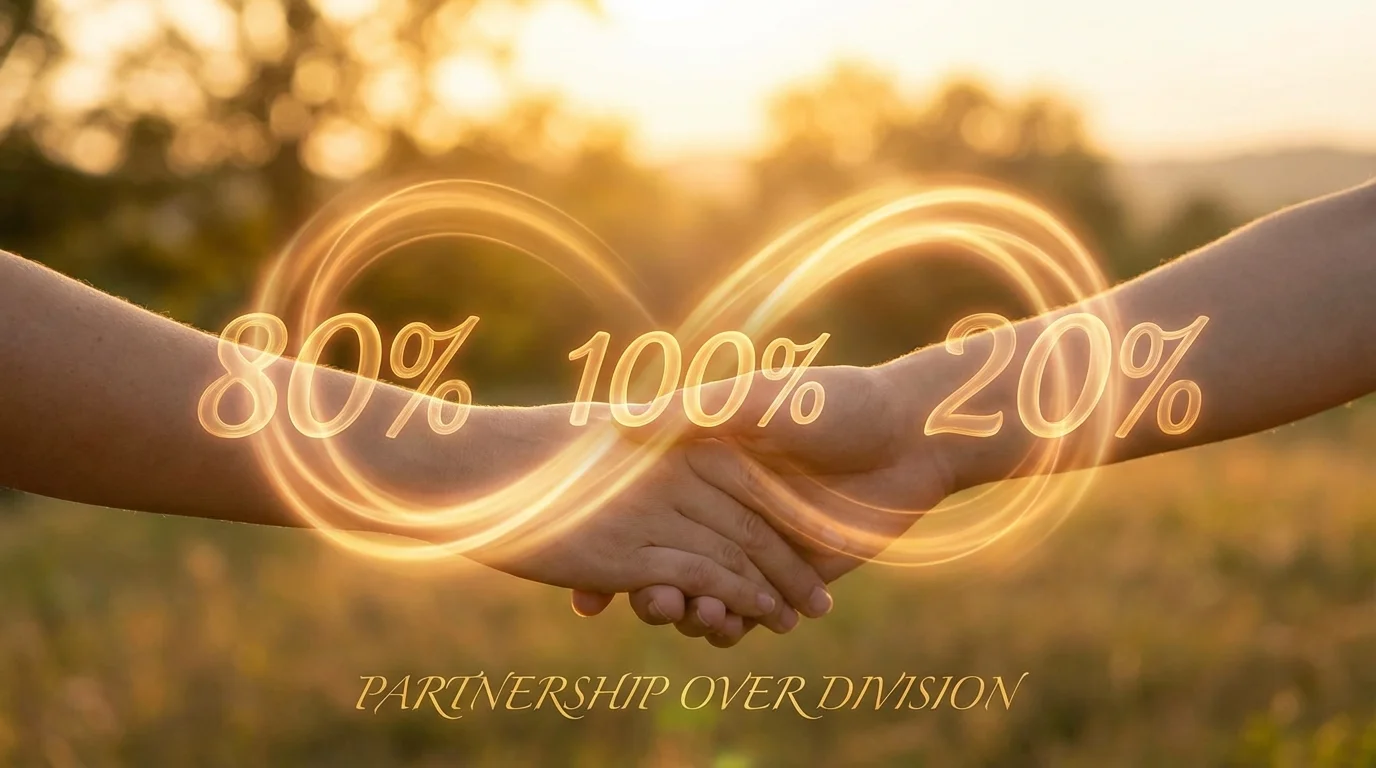
Marriage has long been viewed through the lens of balance and fairness. Many modern couples enter relationships believing that a perfect 50/50 split in responsibilities, chores, and emotional labor will lead to harmony. Yet despite best intentions, this approach often backfires—creating tension, resentment, and an exhausting cycle of mental tally-keeping that erodes intimacy rather than building it. For more guidance, see 80/80 Marriage vs. 50/50: Moving Beyond Fairness for Connection.
The 80 80 marriage model explained in this article offers a fundamentally different approach. Developed by husband-and-wife team Nate and Kaley Klemp, this framework challenges couples to abandon the pursuit of fairness and instead embrace what they call “radical generosity.” The model emerged from the Klemps’ own struggles early in their marriage, when they found that their commitment to equal contribution was actually driving them apart rather than bringing them together 8080marriage.com.
The Limitations of the Traditional 50/50 Approach
The 50/50 marriage model sounds logical on paper. Each partner contributes equally, shares responsibilities evenly, and maintains a balanced partnership. But in practice, this approach often creates more problems than it solves.
The core issue lies in perception. Couples operating under a 50/50 framework frequently find themselves keeping elaborate mental scorecards. Who did the dishes last? Who handled the school drop-offs this week? Whose turn is it to plan date night? This constant monitoring creates a transactional atmosphere where every contribution becomes a negotiating chip, leading to scorekeeping in relationships.
Research reveals an even deeper problem with the fairness mindset. Psychological studies demonstrate that people consistently overestimate their own contributions while underestimating what their partners do. According to Grapevine Magazine, this creates a “gratitude gap” where both partners feel they’re doing more than their fair share, leading to mutual resentment. Studies show that while both men and women overestimate their contributions, men tend to do so more significantly—further widening the perception gap.
Introducing the Concept of the 80/80 Marriage
The 80/80 model proposes a radical alternative: instead of each partner aiming to contribute 50 percent, both should strive to give 80 percent. This creates a combined effort of 160 percent—a mathematical impossibility that nonetheless transforms relationship dynamics.
The concept was developed by Nate and Kaley Klemp, who were struggling in their own marriage despite professional success. Nate holds a PhD from Princeton University and degrees in philosophy from Stanford, while Kaley is a renowned executive coach specializing in leadership development. Yet their credentials couldn’t save them from the corrosive effects of scorekeeping. Their book, “The 80/80 Marriage,” was named a New York Times Editors’ Choice and draws from more than one hundred interviews with couples, scientific studies, and philosophical insights. This new framework moves beyond the restrictive roles of the 80/20 model and the confusion of the 50/50 model to give us a better framework than the 80 80 marriage vs 50 50 marriage.
Core Principles of the 80/80 Marriage

Understanding the 80/80 marriage model requires examining its foundational principles. At its heart, this approach represents a shift from a mindset of fairness to one of radical generosity, accompanied by a structural reorganization around shared success rather than individual contribution tracking.
Radical Generosity vs. Fairness
The concept of radical generosity forms the cornerstone of the 80/80 model. But what does it actually mean to practice radical generosity marriage in practice?
Unlike ordinary generosity, which might involve occasional acts of kindness or thoughtfulness, radical generosity represents a consistent orientation toward giving more than expected. It means approaching your relationship with the intention of contributing 80 percent—not because you have to, but because you choose to. This shifts the fundamental question from “Am I doing my fair share?” to “How can I best support our shared life?” Related reading: Solo Dating Within Marriage Benefits.
The Klemps distinguish between two dimensions of the 80/80 model. The first is mindset: moving from fairness to radical generosity. The second is structure: organizing life around shared success rather than rigid role divisions. Both dimensions work together to create a fundamentally different relationship experience.
Radical generosity doesn’t mean self-sacrifice or martyrdom. Instead, it means giving freely without expectation of immediate return. As the Klemps explain, when both partners operate from this mindset, something remarkable happens. The atmosphere of the relationship changes. Instead of constant negotiation and scorekeeping, couples experience gratitude, appreciation, and genuine partnership 8080marriage.com.
The Math That Doesn’t Add Up (But Works)
The 80/80 model’s mathematics initially seems absurd. If each partner contributes 80 percent, the total reaches 160 percent—an impossibility in conventional arithmetic. Yet this intentional paradox lies at the heart of the model’s effectiveness.
Consider how the 50/50 model operates in reality. When each partner aims for 50 percent, inevitable gaps emerge. One person has a demanding week at work. The other gets sick. A child needs extra attention. Life’s unpredictability means that maintaining perfect balance becomes impossible, and these gaps create opportunities for resentment to grow.
The 80/80 approach creates a buffer. When both partners aim for 80 percent, there’s built-in redundancy. If one person can only manage 60 percent during a difficult period, the other’s 80 percent still maintains the relationship’s overall health. The combined 160 percent represents what the Klemps call “a new world of marriage”—one that blows up the assumptions and the math of the 50/50 model to give us access to deeper love, connection, and intimacy thrivestreetadvisors.com.
Shifting from Scorekeeping to Shared Success
Perhaps the most transformative aspect of the 80/80 model is its elimination of scorekeeping. When both partners commit to giving 80 percent, the mental tally sheets become irrelevant. This is a key benefit of the benefits of 80/80 marriage.
This shift requires a fundamental change in perspective. Instead of viewing marriage as two individuals negotiating their respective contributions, the 80/80 model frames the relationship as a team pursuing shared success in marriage. The question changes from “Did you do your part?” to “How are we doing together?”
Shared success means defining what matters to both partners and working toward those goals collectively. This might involve career aspirations, parenting approaches, financial objectives, or simply the quality of daily life together. When couples align around shared definitions of success, individual contributions become less important than collective progress.
The psychological benefits of this shift are substantial. Research consistently shows that gratitude practices improve relationship satisfaction. When partners focus on what their spouse contributes rather than tracking their own efforts, appreciation naturally increases. The 80/80 model institutionalizes this gratitude orientation by making radical generosity the default setting. You might also like What is Parallel Intimacy in Marriage? Being Alone Together.
Practical Application and Benefits of the 80/80 Model

Understanding the theory behind the 80/80 marriage model is essential, but the real transformation happens through implementation. This section explores how to implement 80/80 marriage principles and the tangible benefits couples can expect.
Navigating Roles and Responsibilities
One of the most challenging aspects of modern marriage involves managing household responsibilities, career demands, and family obligations. The 80/80 model offers a fresh approach to this perennial struggle.
Traditional approaches often involve rigid role divisions or constant negotiation about who handles what. The 80/80 model suggests a different path. Instead of focusing on equal division of tasks, couples concentrate on generous contribution. This might mean that during certain seasons, one partner handles more household management while the other focuses on career demands—and neither keeps score.
The key is regular communication about needs and capacities. The Klemps recommend what they call “revealing issues and misunderstandings as they arise” rather than allowing resentments to build. This might involve weekly check-ins where couples discuss what’s working, what isn’t, and how each person can better support the other. If communication is a struggle, exploring communication reset for couples might be helpful.
Practical implementation might look like this: instead of asking “Whose turn is it to handle dinner?” an 80/80 approach involves asking “How can I contribute to our evening going smoothly?” Sometimes that means cooking. Other times it means handling cleanup, or managing children, or simply creating space for connection after a long day. The specific task matters less than the orientation toward generous contribution.
Building Deeper Connection and Intimacy
The benefits of 80/80 marriage extend far beyond practical logistics. Couples who adopt this approach often report significant improvements in emotional connection and intimacy.
When scorekeeping disappears, couples have more energy for genuine engagement. Instead of mental bandwidth being consumed by tracking contributions, partners can focus on each other. This creates space for meaningful conversation, shared activities, and physical intimacy—elements that often suffer under the weight of transactional relationship dynamics. Learning about questions to deepen emotional intimacy can support this goal.
The model also fosters what relationship experts call “positive sentiment override.” When couples operate from a foundation of generosity, they’re more likely to interpret each other’s actions charitably. A forgotten task becomes an honest mistake rather than evidence of laziness. A harsh word during stress is understood as situational rather than personal. This charitable interpretation strengthens the relationship’s emotional foundation.
According to the five essential habits outlined by the Klemps, creating space for connection is fundamental to the 80/80 approach. This means intentionally protecting time for the relationship amid life’s demands. Date nights, meaningful conversations, and shared experiences become priorities rather than afterthoughts 8080marriage.com. Also worth reading: How To Practice Solo Dating Within Marriage.
Overcoming Challenges and Maintaining the Model
No relationship approach is without challenges, and the 80/80 model is no exception. Understanding potential obstacles helps couples navigate them successfully.
One common challenge involves asymmetry in adoption. What happens when one partner embraces the 80/80 mindset while the other remains committed to 50/50 fairness? This situation requires patience and communication. Often, the partner practicing radical generosity will notice changes in relationship quality that inspire the other to explore the approach. If one partner is particularly difficult, exploring how to co-parent with difficult ex might offer parallel insights into managing difficult dynamics.
Another challenge involves life’s inevitable disruptions. Illness, job loss, family crises, and other major stressors can make 80 percent contribution feel impossible. The beauty of the model is its built-in flexibility. During difficult periods, one partner might contribute less while the other picks up the slack—and this is acceptable within the 80/80 framework because both are committed to the relationship’s overall health.
Maintaining the model long-term requires intentionality. Couples benefit from regular discussions about how they’re living out radical generosity. This might involve celebrating moments when the model worked well, addressing areas where scorekeeping has crept back in, and recommitting to shared success.
As noted in discussions of 80/80 marriage vs 50/50, the shift from 50/50 to 80/80 isn’t always smooth. It requires unlearning deeply ingrained assumptions about fairness and developing new habits of thought and action. But couples who make this transition consistently report stronger, more satisfying relationships 8080marriage.com.
Conclusion: Embracing the 80/80 Vision for Your Marriage

The 80/80 marriage model represents a significant departure from conventional relationship wisdom. By challenging the fundamental assumption that fairness should govern marriage, Nate and Kaley Klemp have offered couples an alternative path—one built on radical generosity, shared success, and the counterintuitive mathematics of 160 percent contribution.
Recap of Key Takeaways
The core principles of the 80/80 model are straightforward yet transformative. Rather than each partner striving to contribute exactly half, both aim for 80 percent effort. This creates a buffer against life’s unpredictability, eliminates the corrosive practice of scorekeeping, and fosters an atmosphere of generosity and gratitude.
The model operates on two dimensions: mindset and structure. The mindset shift involves moving from fairness to radical generosity—giving freely without expectation of immediate return. The structural shift involves organizing life around shared success rather than rigid role divisions or constant negotiation.
Benefits include reduced conflict and resentment, increased relationship satisfaction, deeper emotional connection, and greater resilience during challenging periods. Couples who adopt this approach report feeling more like teammates than negotiators, more appreciative of each other’s contributions, and more confident in their relationship’s ability to weather difficulties. See also: Relationship Maintenance Tips For Couples.
A Call to Action for Couples
For couples intrigued by the 80/80 model, the path forward begins with conversation. Discuss the concept with your partner. Explore how scorekeeping might be affecting your relationship. Consider what radical generosity might look like in your specific context.
Start small. You don’t need to immediately transform every aspect of your relationship. Begin with one area—perhaps household tasks or emotional support—and practice approaching it from an 80/80 perspective. Notice how the shift feels. Observe its effects on relationship quality.
Remember that the goal isn’t perfect implementation. The goal is a fundamental reorientation of how you view contribution and partnership. Some days you’ll manage 80 percent. Other days you’ll fall short. What matters is the consistent intention to give generously and the commitment to shared success.
The 80/80 marriage model offers more than just a new approach to dividing responsibilities. It offers a vision for what marriage can become when couples abandon transactional thinking and embrace radical generosity. In a culture often focused on individual rights and fair treatment, this model points toward something deeper: the possibility of a relationship defined not by what each person gets, but by what each person gives.
Frequently Asked Questions

What are the main differences between the 50/50 and 80/80 marriage models?
The 50/50 model focuses on fairness and equal contribution, with each partner aiming to contribute exactly half of the relationship’s needs. This approach often leads to scorekeeping, resentment, and constant negotiation. The 80/80 model, by contrast, encourages both partners to strive for 80 percent contribution, creating a combined effort of 160 percent. This eliminates scorekeeping, builds in flexibility for life’s unpredictability, and shifts the focus from individual contribution to shared success and radical generosity.
How does the 80/80 marriage model prevent resentment and scorekeeping?
The 80/80 model prevents resentment by eliminating the mental tally sheets that characterize many marriages. When both partners commit to giving 80 percent, there’s no need to track who did what. The built-in buffer of combined 160 percent effort means that temporary imbalances don’t create resentment—when one partner can only contribute 60 percent during a difficult period, the relationship remains healthy. This shifts attention from “Am I getting a fair deal?” to “How can I generously support our shared life?”
Can the 80/80 marriage model be applied to long-distance relationships or marriages with demanding careers?
Yes, the 80/80 model applies to various relationship configurations, including long-distance relationships and marriages with demanding careers. The key is adapting the concept of radical generosity to your specific circumstances. In long-distance relationships, 80 percent contribution might mean prioritizing meaningful communication, planning visits thoughtfully, and supporting each other’s individual growth. For couples with demanding careers, it means understanding that contributions will ebb and flow with professional demands while maintaining the commitment to generous partnership.
What are the key benefits of adopting an 80/80 approach to marriage?
The primary benefits include reduced conflict and resentment, increased relationship satisfaction, deeper emotional connection, and greater resilience during challenging periods. Couples report feeling more like teammates than negotiators. The model fosters gratitude and appreciation, as partners focus on what their spouse contributes rather than tracking their own efforts. It also creates flexibility to handle life’s inevitable disruptions without relationship damage, and builds a foundation for lasting intimacy and partnership.
Who developed the 80/80 marriage model?
The 80/80 marriage model was developed by Nate and Kaley Klemp, a husband-and-wife team who struggled with their own marriage despite professional success. Nate Klemp holds a PhD from Princeton University and degrees in philosophy from Stanford. Kaley Klemp is a leading executive coach specializing in leadership development and small-group dynamics. Their book “The 80/80 Marriage” draws from over one hundred interviews with couples, scientific studies, and philosophical insights, and was named a New York Times Editors’ Choice.