best co parenting apps for families
Why Co-Parenting Apps Are Essential for Modern Families
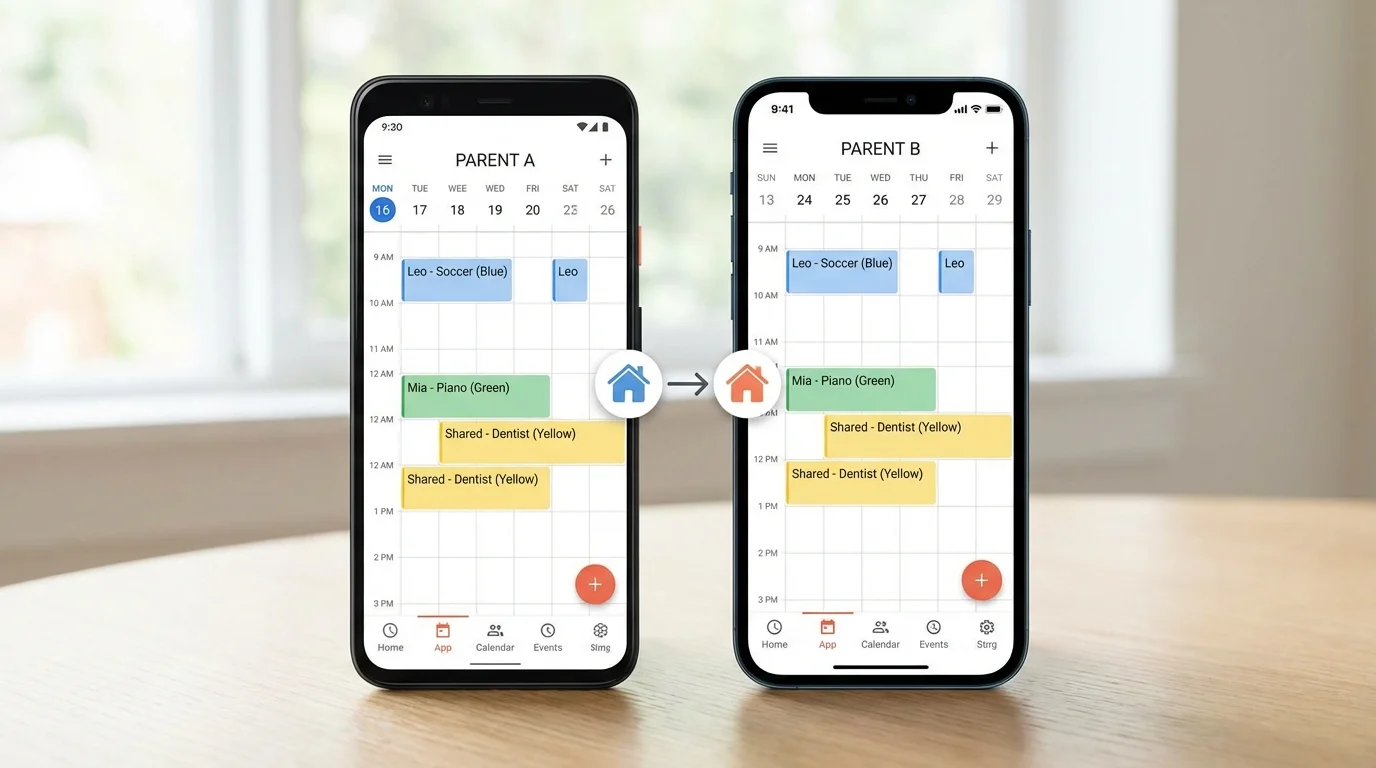
Co-parenting after separation or divorce presents unique challenges that can feel overwhelming at times. Between coordinating schedules, managing shared expenses, and maintaining clear communication, parents often find themselves stretched thin. Finding the best co parenting apps for families means finding a digital bridge between two households, creating a structured, neutral space that reduces emotional friction and keeps everyone focused on what matters most: the children thebreakingdad.co.uk.
Bridging the Gap Between Two Households
When families split into separate homes, the logistics of daily life become exponentially more complex. School pickups, doctor appointments, extracurricular activities, and holiday arrangements all require coordination across two locations. Without a centralized system, important details slip through the cracks, leading to frustration and confusion. For more guidance, see Child-Friendly Co-Parenting Tips: Nurturing Stability.
Shared parenting apps solve this problem by giving both parents access to the same information at the same time. Rather than relying on scattered text messages or phone calls, co-parents can reference a single source of truth for schedules, important dates, and shared responsibilities. This visibility helps ensure nothing gets lost in translation between households.
Reducing Conflict and Miscommunication
One of the most significant benefits of co-parenting apps is their ability to reduce conflict. When emotions run high, even simple conversations can escalate quickly. These apps create a buffer—a digital space where communication happens with intention and accountability coparentapps.com.
According to the National Parents Organization, messages in co-parenting apps are timestamped and cannot be edited, which dramatically reduces “he said/she said” debates that often plague separated families. This feature alone can prevent countless arguments about who said what and when. Additionally, these platforms help ensure children never become messengers between parents—a role no child should have to play. When all planning happens directly between parents through a dedicated app, kids can focus on being kids rather than relaying information between adults sharedparenting.org.
The Role of Technology in Shared Parenting
Technology won’t solve every co-parenting challenge, but it provides a framework for healthier communication and better coordination. The right app creates structure where chaos might otherwise reign, offering tools for scheduling, messaging, expense tracking, and documentation—all in one place.
For families navigating legal proceedings or custody arrangements, this documentation becomes invaluable. Many co-parenting apps create court-admissible records that can save significant time, money, and stress during disputes. Family law attorneys often recommend these apps specifically because they provide an objective record of interactions and agreements.
Key Features to Look for in a Co-Parenting App
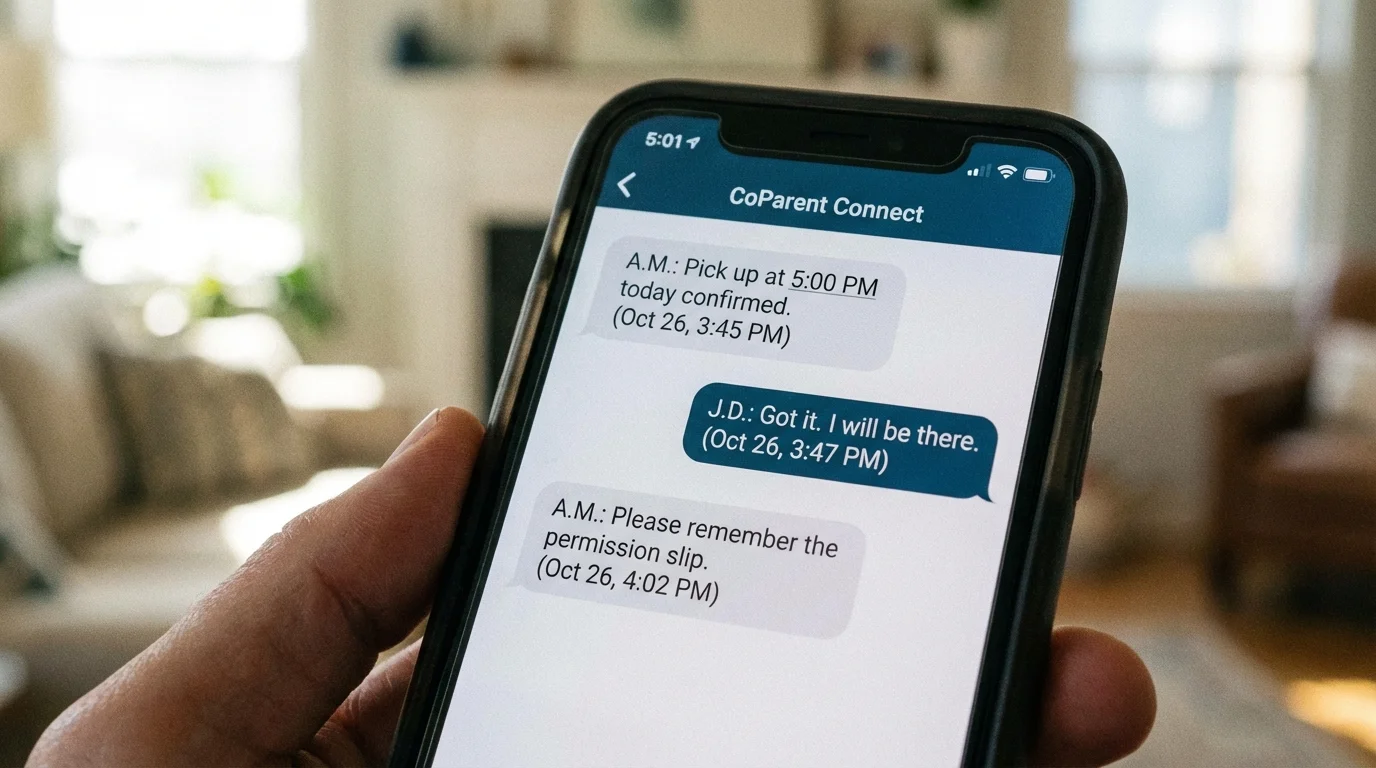
Not all co-parenting apps are created equal. When evaluating options, it’s essential to understand which features will best serve your family’s specific needs. The most effective apps combine several critical functions into a unified platform that both parents can access easily.
Communication and Messaging Tools
At the heart of any good co-parenting app is a secure messaging platform. Unlike regular text messages or emails, these specialized co-parenting communication tools create a transparent, accountable environment for dialogue. Messages are typically timestamped and uneditable, which encourages thoughtful communication and provides a reliable record of conversations.
Some apps go further by offering tone-monitoring features that alert users when their message might come across as aggressive or confrontational. This can be particularly valuable when tensions run high, giving parents a chance to revise their communication before hitting send. The goal isn’t to police interactions but to foster more constructive exchanges that keep children’s needs at the center. Related reading: Co Parenting Strategies For Toddlers.
Shared Calendars and Scheduling
A shared calendar is perhaps the most essential feature for co-parents. It empowers both parents to input and access crucial dates, including custody schedules, school events, medical appointments, and extracurricular activities. According to family law experts, centralized custody scheduling apps help avoid confusion and conflicts by ensuring a unified approach to children’s schedules theleveylawgroup.com.
The best calendar features include color-coding options, automatic reminders, and the ability to set recurring events. This means custody arrangements that follow a regular pattern can be entered once and automatically populate the schedule, reducing the mental load on both parents.
Expense Tracking and Management
Money is often a source of tension in co-parenting relationships. Who paid for the school supplies? How much did those soccer cleats cost? When is reimbursement due? Without a clear system, these questions can lead to resentment and conflict.
Co-parenting expense tracking features allow parents to log shared costs, upload receipts, and calculate who owes what. Some apps even integrate payment processing, making reimbursements as simple as a few taps. This transparency builds trust and ensures financial responsibilities are handled fairly.
Document and Information Sharing
Children generate paperwork—report cards, medical records, consent forms, insurance information, and more. When parents live in separate homes, keeping track of these documents becomes challenging. Document sharing features provide a secure repository where both parents can access important files whenever needed.
This centralized storage eliminates the frustration of searching for a lost immunization record or wondering whether the other parent received a copy of the school permission slip. Everything lives in one accessible location within these family organizer apps.
Security and Privacy Considerations
Given the sensitive nature of family information, security should be a top priority when choosing a co-parenting app. Look for platforms that offer end-to-end encryption for messages and secure data storage. Privacy policies should clearly outline how your information is protected and who has access to it.
Some apps also offer features like two-factor authentication and the ability to control what information each user can see. For families dealing with high-conflict situations, these security measures provide peace of mind that communications and records remain private and tamper-proof. You might also like Co Parenting Tips For Newborns.
Top Co-Parenting Apps Reviewed for 2025

The market for co-parenting apps has grown significantly, with options ranging from simple scheduling tools to comprehensive platforms designed for high-conflict situations. Here’s a detailed look at some of the best apps for divorced parents available today.
ClanPlan: The All-in-One Organizer
[ClanPlan] is a modern organizer for co-parents that blends a shared calendar with real-time location sharing, private chat, smart to-dos, and place alerts—all in a clean, fast iOS app built to keep two homes in sync clanplan.app.
✅Pros:
- Shared calendarwith color-codedcategories, reminders, and repeats
- Real-time location sharing&place alertsfor safe hand-offs (home, school, activities)
- Private chatwith end-to-end encryption to keep conversations calm and focused
- Smart to-doswith assignments, due dates, and notifications for both homes
- Clean, intuitive designthat’s easy for co-parents and older kids to use
- Widgetsand quick actions for today’s plan at a glance
- All-in-one hub: calendar, tasks, chat, saved places —fewer separate apps to juggle
❌Cons:
- iOS only (Android in development)
- Some advanced features require Premium
OurFamilyWizard: Comprehensive and Court-Approved
OurFamilyWizard has established itself as a leading choice in shared parenting apps, particularly for families involved in legal proceedings. It is trusted by courts and family law professionals across many countries. The app boasts a high rating, reflecting its widespread adoption and user satisfaction.
Pros:
- Court-approved documentation that is admissible in legal proceedings.
- Comprehensive features including messaging, scheduling, expense tracking, and journaling.
- Tone meter that flags potentially inflammatory language.
- Professional accounts available for therapists, mediators, and attorneys.
- Trusted by family courts internationally.
Cons:
- Premium pricing compared to other options.
- May have more features than needed for low-conflict situations.
- Subscription required for full functionality.
OurFamilyWizard is ideal for families who need robust documentation for legal purposes or those navigating high-conflict co-parenting situations. Courts often mandate its use because it creates an unalterable record of all communications and agreements.
Cozi: Simple Family Organization
[Cozi] is a long-running family organizer app with calendars and lists. It works for co-parents who want a familiar, straightforward setup, often used by parents who are separated but still maintain a relatively amicable relationship.
✅Pros:
- Simple shared calendar with color coding
- Lists and meal planning support household routines
- Works across web and mobile
❌Cons:
- No native location sharing or safety tools for hand-offs
- No built-in private chat (coordination can spill into other apps)
- Free plan includes ads
Cozi works best for families who need basic scheduling coordination without the complexity of specialized co-parenting features. It’s particularly suited for situations where communication is generally positive and minimal documentation is needed. Also worth reading: Co Parenting For Divorced Parents.
TalkingParents: Secure Communication Focus
TalkingParents specializes in secure, documented communication between co-parents. Its primary focus is creating a reliable record of all interactions, making it valuable for families concerned about accountability and transparency.
Pros:
- All messages are timestamped and unalterable.
- Accountable calling feature records phone conversations.
- Simple, focused interface.
- Free basic plan available.
- Court-admissible records.
Cons:
- Limited scheduling and organizational features compared to all-in-one solutions.
- Premium features require subscription.
- Less comprehensive than integrated platforms.
TalkingParents is ideal for families whose primary challenge is communication rather than logistics. It’s particularly useful when there’s a need for documented phone conversations or when one parent has concerns about the other’s reliability in communication.
AppClose: Free and Feature-Rich
AppClose offers a compelling free option with many features typically reserved for paid platforms. It provides messaging, calendar sharing, and expense tracking without requiring a subscription for basic functionality.
Pros:
- Robust free tier with essential features.
- Clean, modern interface.
- Messaging with read receipts.
- Calendar and expense tracking included.
- Works across iOS and Android.
Cons:
- Some advanced features require premium subscription.
- Newer platform with less established reputation.
- Customer support may be limited compared to paid services.
AppClose is an excellent choice for budget-conscious families who still want comprehensive co-parenting tools. It’s particularly appealing for parents who want to test the waters with a co-parenting app before committing to a paid subscription. See also: How To Create A Co Parenting Plan.
Choosing the Right Co-Parenting App for Your Family
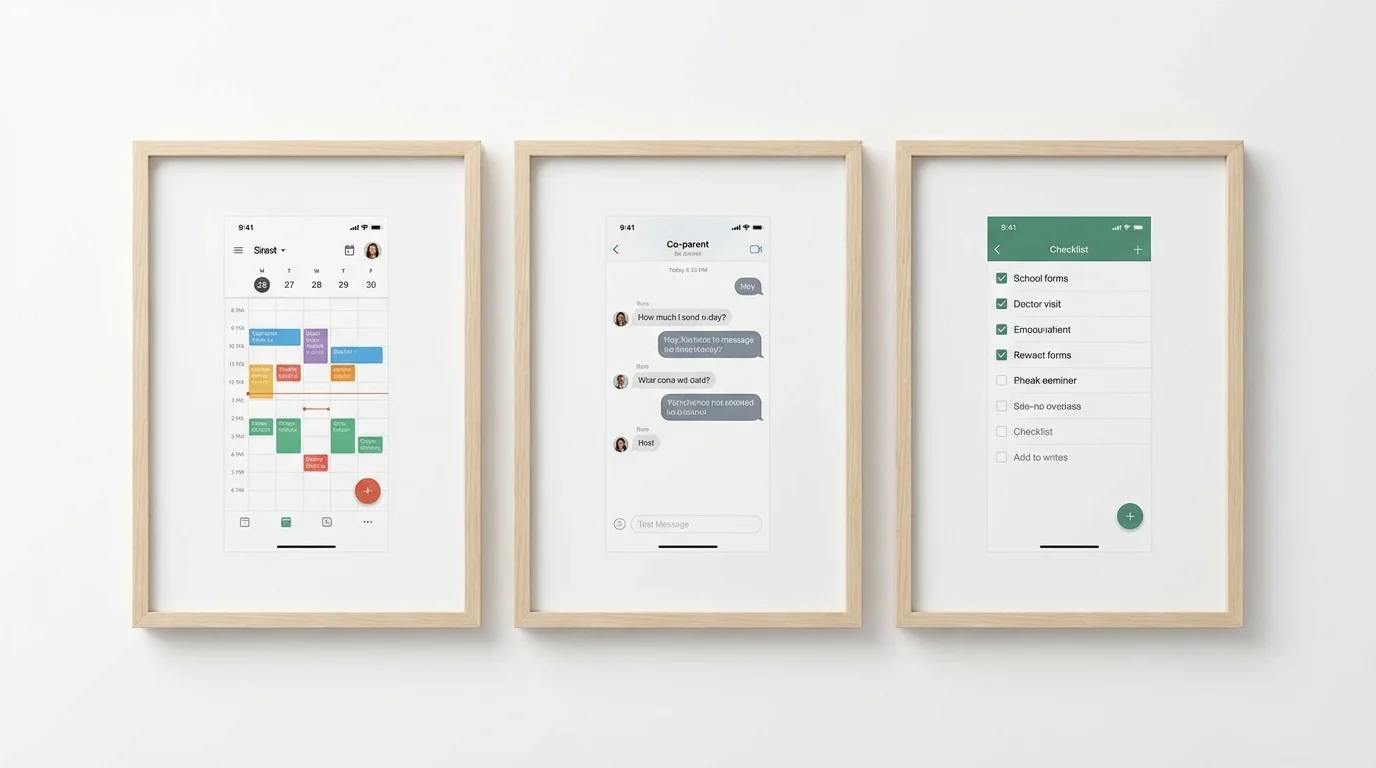
Selecting the best co parenting apps for families requires honest assessment of your family’s specific situation. No single app works for everyone, and the right choice depends on your communication style, conflict level, documentation needs, and budget.
Assessing Your Family’s Specific Needs
Start by identifying your biggest pain points. Is communication the primary challenge? Do scheduling conflicts cause the most stress? Are financial disputes a regular occurrence? Understanding where friction exists helps narrow down which features matter most.
Consider your co-parenting relationship honestly. High-conflict situations benefit from apps with robust documentation and tone monitoring, while amicable arrangements may only need basic scheduling tools. Some apps offer free trials, allowing you to test functionality before committing.
Considering Ease of Use and Onboarding
The best app in the world won’t help if both parents don’t use it consistently. Look for platforms with intuitive interfaces that don’t require extensive technical knowledge. The onboarding process should be straightforward, with clear instructions for setting up shared calendars, messaging, and other features.
According to family law attorneys, co-parenting apps streamline communication, reduce misunderstandings, and provide legal-friendly records—but only when both parents engage with them consistently jettonmeredithlaw.com.
Budget and Feature Prioritization
Co-parenting apps range from free to premium pricing models. While free options like AppClose and Cozi’s basic tier work well for many families, paid services often provide more comprehensive features, better security, and more reliable customer support.
Consider the trade-offs carefully. A paid app that prevents even one significant conflict or legal issue may pay for itself many times over. Some apps offer reduced pricing for families who qualify based on financial need.
Frequently Asked Questions

What are the main benefits of using a co-parenting app?
Co-parenting apps provide several key benefits: centralized communication that creates documented records, shared calendars that prevent scheduling conflicts, expense tracking for transparent financial management, and document storage for important records. They reduce misunderstandings by giving both parents access to the same information and can even provide court-admissible documentation for legal proceedings. Most importantly, they help keep children out of the middle of parental communication.
Can co-parenting apps be used by parents who are still married but living separately?
Absolutely. Co-parenting apps work well for any parents managing children across two households, regardless of marital status. Separated but not yet divorced parents, parents in trial separations, or even married parents with different work schedules or living arrangements can all benefit from the organizational and communication tools these apps provide. The features support anyone who needs to coordinate children’s schedules and responsibilities across locations.
Are co-parenting apps secure enough to share sensitive family information?
Most reputable co-parenting apps prioritize security with features like end-to-end encryption, secure data storage, and privacy controls. However, security levels vary between platforms. Look for apps that clearly explain their security measures, offer two-factor authentication, and have transparent privacy policies. For highly sensitive information, consult the app’s security documentation or speak with a family law professional about which platforms they trust.
How do co-parenting apps help reduce conflict between parents?
These apps reduce conflict by creating accountability through timestamped, unalterable messages; providing a neutral digital space that removes some emotional intensity from communication; offering tone-checking features that flag potentially inflammatory language; and giving both parents equal access to information. By reducing misunderstandings and “he said/she said” disputes, apps help parents focus on solutions rather than arguments. The structured format encourages more thoughtful, business-like communication focused on children’s needs.
Disclaimer: This article is for informational purposes only and does not constitute legal or professional advice. If you’re experiencing significant co-parenting challenges or legal disputes, consult with a qualified family law attorney or mental health professional.