Child-Friendly Co-Parenting Tips: Nurturing Stability

Understanding Child-Centric Co-Parenting

The Core Principle: Putting Children First
 For more guidance, see Co Parenting Tips For Newborns.
Co-parenting, sometimes called shared parenting, occurs when parents cooperate with each other following a separation or divorce. At its core, child friendly co parenting tips center on making decisions based on what benefits your child rather than what satisfies adult grievances. As pediatric psychologist Dr. Kathryn Jones from the Cleveland Clinic explains, “If you’re co-parenting, you’re really trying to figure out a way to continue to be a team for your child, even if you’re not in a relationship anymore” health.clevelandclinic.org.
The fundamental shift required is moving from a partner-focused relationship to a child-focused partnership. This means separating your feelings about your ex from your responsibilities as a parent. When you and the other parent were a couple, your interactions were bound together. After separation, you need to work at forming a new relationship as co-parents that centers entirely on your child’s needs justice.gc.ca.
Why Child-Friendly Co-Parenting Matters
Research consistently shows that the way parents handle co-parenting directly impacts their child’s development and emotional health. According to the Cleveland Clinic, in positive co-parenting arrangements where children feel safe, stable and supported, cooperative co-parenting results in higher levels of self-esteem, improved academic performance and better overall mental health for the children involved health.clevelandclinic.org.
Conversely, when co-parenting relationships are marked by conflict, aggression and parental disputes, children often feel caught in the middle. A study of 886 divorcing parents in Hennepin County, Minnesota found that 55% cited growing apart as a reason for seeking divorce, while 53% reported not being able to talk together as a key factor kidsfirstcenter.org. These statistics highlight why learning to communicate effectively as co-parents is essential for your child’s well-being.
Impact of Parental Conflict on Children
Children caught in the middle of parental conflict are at higher risk for anxiety, depression, and behavioral issues. Research from the Cleveland Clinic shows that parental divorce and separation have been associated with an increase in child and adolescent adjustment problems, including academic difficulties, higher dropout rates, disruptive behaviors, and increased risk for anxiety and depression health.clevelandclinic.org. Interparental conflict (IPC) is particularly damaging, as children may draw irrational conclusions, such as believing the divorce was their fault extension.usu.edu.
Non-supportive co-parenting occurs when parents do not effectively work together concerning parenting issues. Children may feel guilty, stressed, and anxious when they see their parents arguing over issues related to them extension.usu.edu. This is why keeping conflicts away from children and maintaining a child-focused co-parenting plan isn’t just ideal—it’s necessary for healthy development.
Practical Co-Parenting Strategies for Children

Establishing Consistent Routines and Schedules
 Related reading: Co Parenting Strategies For Toddlers.
One of the most powerful tools in child friendly co parenting tips is consistency. Children thrive on predictable routines, and maintaining similar schedules across both households helps them feel secure. This includes consistent bedtimes, homework routines, meal times, and rules about screen time and activities.
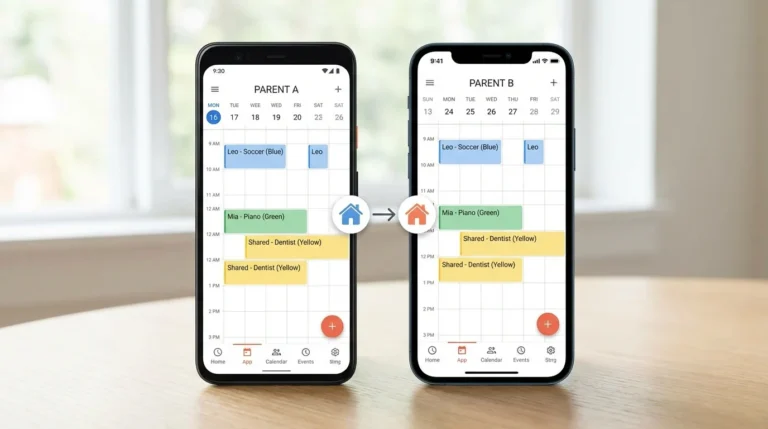
The best way to handle last-minute changes is to have a strong foundation. Regular planning with your co-parent is essential—consider holding regular family meetings, sharing printed copies of the schedule with your child each week, reviewing the calendar together each day, and creating a shared system or master calendar brighthorizons.com. Creating a stable co-parenting routine minimizes the stress of uncertainty.
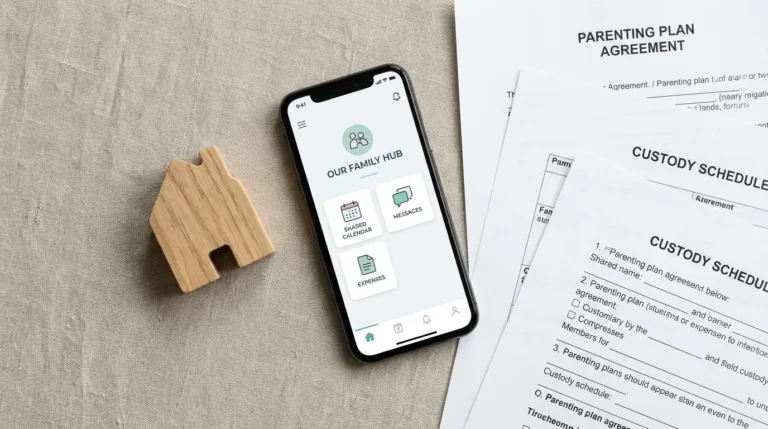
Using digital tools can help. Apps like OurFamilyWizard or Talking Parents allow both parents to coordinate schedules in real-time, reducing confusion and the anxiety that comes with uncertainty artfulparent.com.
Effective Communication Between Co-Parents
Effective co-parenting communication is the backbone of successful co-parenting. Adrian Moreau from The Artful Parent recommends treating co-parenting communication like a work email—stick to logistics, health updates, school stuff, and schedule changes. Keep it brief and factual artfulparent.com.
Some families use apps like OurFamilyWizard or Talking Parents to keep everything documented and businesslike. These tools create a clear record of all communications, which reduces misunderstandings and keeps conversations focused on what matters most—your child.
According to Dr. Kathryn Jones, the key to co-parenting comes down to open communication, planning and accountability health.clevelandclinic.org. This means responding to messages in a reasonable timeframe, keeping discussions child-focused, and avoiding emotional reactions that can escalate into conflict. Remember, your goal is not to win; your goal is to do what is best for your child uw-madison.edu.
Managing Transitions Smoothly
Transitions between households can be stressful for children. To make these moments easier, keep handoffs brief and consistent. Choose a neutral location if possible—a coffee shop parking lot, for example—and avoid scheduling exchanges during times when your child might be tired or hungry. You might also like Best Co Parenting Apps For Families.
When your child leaves, keep your goodbye short and positive. When your child returns, greet them with warmth but give them time to decompress before diving into questions about the other household helpguide.org.
Talk to your child about what to expect during transitions. Knowing when they’ll see each parent helps reduce anxiety and gives them something to look forward to. This is a key part of reducing child anxiety during co-parenting.
Supporting a Child’s Relationship with Both Parents
One of the most important aspects of child friendly co parenting tips is encouraging and facilitating a positive relationship with the other parent—even when that’s difficult. Never speak negatively about your co-parent in front of your child. Children who receive the same message from both parents benefit in increased chances of handling difficult situations extension.usu.edu.
Positive co-parenting behaviors include doing what is in the best interest of the child when handling decisions, respecting the other parent’s right to participate in parenting practices, and agreeing on some basic rules for raising your children extension.usu.edu.
Let your child know it’s okay to love both parents and enjoy time with both households. Reassure them that they didn’t cause the separation and that both parents will continue to love and care for them.
Navigating Challenges and Maintaining a Child-Focused Approach
Handling Disagreements and Conflict

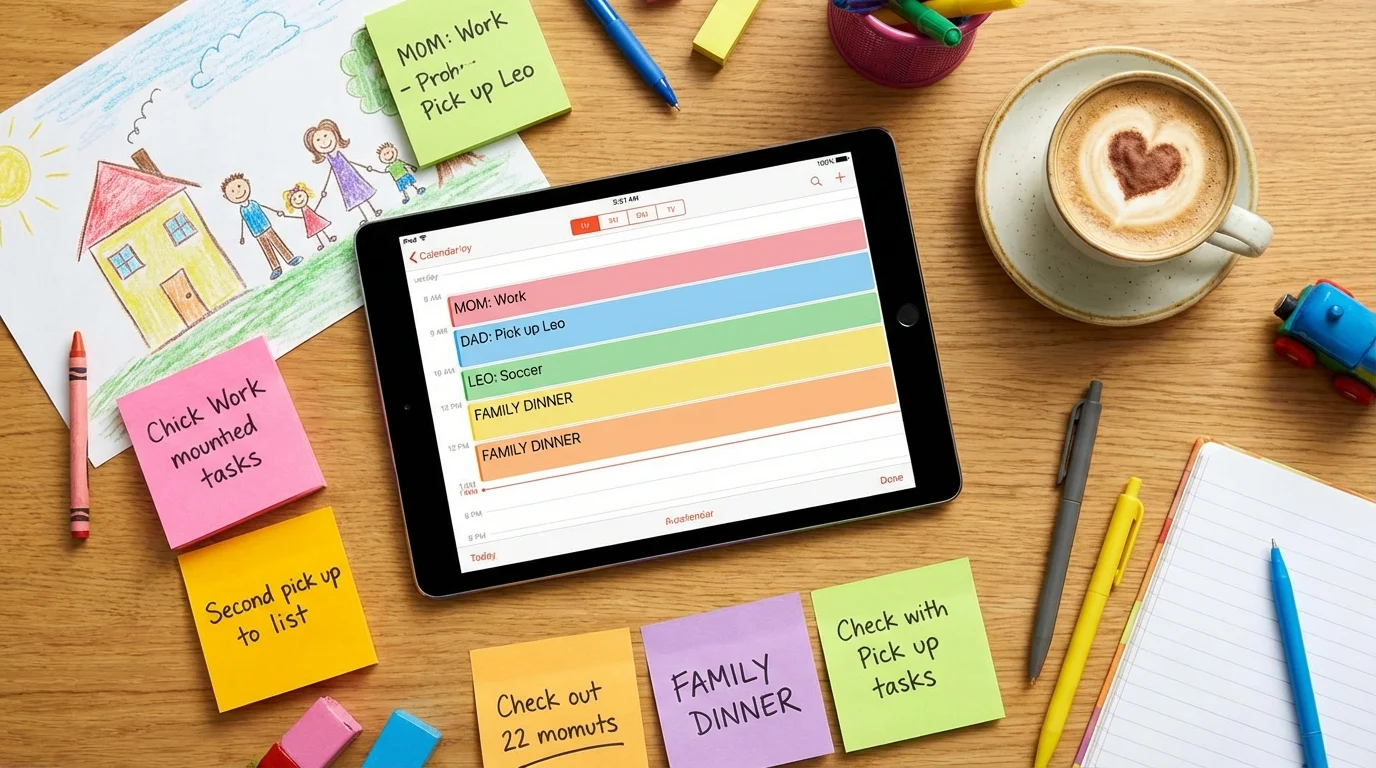
Even with the best intentions, conflicts will arise. Money, religious values, holidays, discipline, medical issues, educational issues, and recreational activities are all topics that may create conflict between parents extension.usu.edu. When parents argue about child-related issues, it is the most distressing type of interparental conflict for children extension.usu.edu. Also worth reading: Co Parenting For Divorced Parents.
When conflicts arise, take a step back before responding. Focus on solutions rather than assigning blame. Keep discussions centered on your child’s needs rather than adult grievances. If emotions run high, take a break and revisit the conversation later. This is crucial for co-parenting conflict resolution for kids.
Some parents find it helpful to keep meetings relatively formal—taking place in a neutral location at specific times, with a list of issues to discuss justice.gc.ca. If direct communication becomes too difficult, consider working with a mediator or family therapist who can help facilitate productive conversations.
Recognizing and Addressing Child’s Emotional Needs
Children may not always express their feelings directly. Watch for signs of stress or anxiety, including changes in sleep patterns, appetite, school performance, or social behavior. Regression in developmental milestones, increased clinginess, or withdrawal can also signal that your child is struggling.
Create space for your child to talk about their feelings without pressure. Let them know it’s normal to feel confused, sad, or angry about the family changes. Avoid dismissing their emotions or forcing them to talk before they’re ready.
If your child shows persistent signs of distress, consider seeking professional support. A child therapist can provide valuable tools for helping your child process the changes in their family.
Building a Supportive Co-Parenting Network
You don’t have to navigate co-parenting alone. Therapists, mediators, and support groups can provide valuable guidance. These professionals help parents develop healthy communication strategies, work through challenges constructively, and create parenting plans that serve children’s needs.
Building a network of supportive professionals is especially important during the early stages of co-parenting or when facing significant challenges. Family counselors can help both parents develop skills for effective co-parenting and provide neutral ground for resolving disputes. See also: How To Create A Co Parenting Plan.
Long-Term Benefits of Child-Friendly Co-Parenting
The effort you put into child friendly co parenting tips pays dividends for years to come. Research consistently shows that children who experience healthy co-parenting arrangements have better emotional regulation, stronger relationships with both parents, and improved ability to handle future life transitions.
Supportive co-parenting is related to better school grades and higher self-esteem in children, and helps children deal with the changes happening following a divorce extension.usu.edu. One of the strongest predictors of children’s well-being following a divorce is how well parents are able to co-parent.
When children see their parents working together respectfully, they learn valuable lessons about cooperation, conflict resolution, and maintaining relationships despite difficulties. These skills serve them throughout their lives.
Frequently Asked Questions
How can I ensure my child feels secure during co-parenting transitions?
Creating consistent routines across both households is one of the most effective ways to provide security. Keep bedtimes, meal times, and daily schedules as similar as possible between homes. Use a shared calendar so your child always knows what to expect. During transitions, offer comfort items, keep goodbyes brief and positive, and reassure your child that they are loved by both parents. Most importantly, keep your own emotions in check during handoffs—children pick up on adult anxiety.
What are the best ways to communicate with my co-parent without involving the children?
Use dedicated co-parenting communication apps like OurFamilyWizard or Talking Parents to keep messages focused on logistics. Respond within a reasonable timeframe, but avoid immediate replies when emotional. Never discuss conflicts where children might overhear—schedule conversations for times when children are with another caregiver. Keep messages brief, factual, and focused on the child’s needs. If face-to-face meetings are necessary, choose neutral locations like coffee shops and stick to a predetermined agenda.
How do I explain co-parenting to a young child?
Use simple, age-appropriate language that emphasizes love and security. Explain that while mom and dad no longer live together, they both love you very much and will always be your parents. Reassure your child that the separation is not their fault and that they did nothing wrong. Avoid sharing adult details about why the separation happened. Encourage questions and answer them honestly but briefly. Most young children need simple reassurance more than complex explanations.
What should I do if my co-parent speaks negatively about me to our child?
Address this behavior directly with your co-parent, explaining how their words harm your child. Focus on the impact on your child’s well-being rather than assigning blame. If the behavior continues, consider involving a neutral third party like a mediator or family therapist. In the meantime, reassure your child that both parents love them, even if they hear things that confuse or upset them. Avoid retaliating with negative talk about the other parent—children need permission to love both parents without guilt.
Disclaimer: This article provides general guidance and educational information about co-parenting. It is not a substitute for professional legal, mental health, or family counseling advice. Every family’s situation is unique, and parents should consult qualified professionals—including family lawyers, therapists, and mediators—for personalized guidance tailored to their specific circumstances. If you or your child are experiencing significant distress, please seek professional support immediately.