Co Parenting Tips for Newborns: Essential Strategies for Success
Navigating the separation of a relationship is never easy, but adding a newborn to the equation introduces a unique set of complexities. While the emotional toll on parents is significant, the priority quickly shifts to the well-being of the infant. Finding reliable co parenting tips for newborns is essential for establishing a stable, nurturing environment across two households. Unlike older children who can communicate their needs, newborns rely entirely on their caregivers to coordinate care, making communication and structure vital.
This guide provides practical strategies for managing the logistical and emotional demands of sharing baby care. By focusing on clear systems and consistent routines, separated parents can minimize conflict and ensure their newborn thrives during this critical developmental stage. For more guidance, see Child-Friendly Co-Parenting Tips: Nurturing Stability.
Understanding the Unique Challenges of Co-Parenting a Newborn

Co parenting baby care differs significantly from sharing custody of older children. The sheer volume of information that must be exchanged daily creates a pressure cooker for communication, often when parents are at their most emotionally vulnerable. Understanding these specific infant co-parenting challenges is the first step toward overcoming them.
The Critical Need for Constant Communication
A newborn cannot tell you when they last ate, how long they slept, or if they seem fussier than usual. This means parents must act as the communication bridge. When that bridge spans two separate homes, the potential for miscommunication skyrockets. A parent receiving a baby who hasn’t napped properly might face a difficult evening, leading to frustration and blame.
This dynamic forces separated parents into frequent contact exactly when they might need space to heal. Every question about feeding times or medication dosages can feel like an interrogation rather than a simple inquiry. Without a system in place, these necessary check-ins can quickly devolve into arguments, leaving both parents exhausted and the baby’s care compromised. For those struggling with the emotional fallout of separation, learning how to process difficult emotions is crucial while managing this intense communication load.
Maintaining Routine and Stability
Babies crave predictability. Their internal clocks are just beginning to regulate, and consistent cues for sleep, feeding, and play help them feel secure in their environment. When a baby moves between two homes with different schedules or parenting styles, it can disrupt their sense of safety.
According to child development experts, the three central causes of psychological distress in newborns of separated parents are unpredictable daily routines, hostility between parents, and the emotional distress of the primary caretaker. Contrary to the myth that infants are too young to notice tension, they are highly sensitive to the emotional atmosphere around them. Instability in their schedule can manifest as sleep regression, feeding difficulties, and increased irritability, affecting their development Two Healthy Homes.
Emotional Complexities of Handover
The handover—the moment the baby moves from one parent to the other—is often the most emotionally charged part of the co-parenting week. For the parent letting go, it can feel like a loss. For the parent receiving the child, it can feel like an inspection.
These transitions are fraught with potential for conflict. A casual comment about the baby’s dirty clothes or a forgotten item can spiral into a larger dispute. Furthermore, newborns pick up on their parents’ stress. If a handover is tense, the baby may become fussy or withdrawn, reinforcing the parents’ anxiety about the arrangement. Creating a low-stress handover process is not just about parental comfort; it is about protecting the infant from absorbing adult tension. If you are finding the transition difficult, reviewing co parenting after divorce advice might offer broader perspective. Related reading: Co Parenting Strategies For Toddlers.
Practical Strategies for Effective Newborn Co-Parenting

Success in newborn co-parenting strategies comes down to logistics. By removing ambiguity and standardizing the flow of information, parents can reduce the emotional friction of daily coordination. The goal is to replace “interrogation” with factual information sharing.
Establishing Clear Communication Channels
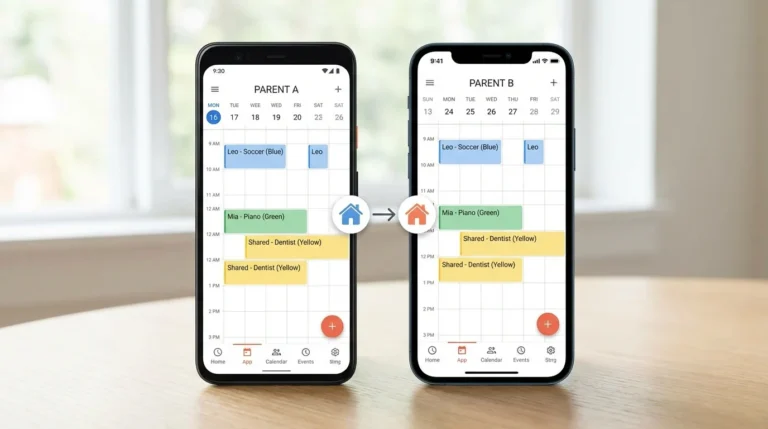
One of the most effective strategies is to separate baby-care communication from personal or relationship discussions. Using a dedicated channel—whether it is a specific co-parenting app, a shared digital log, or a structured text thread—helps keep the focus on the baby.
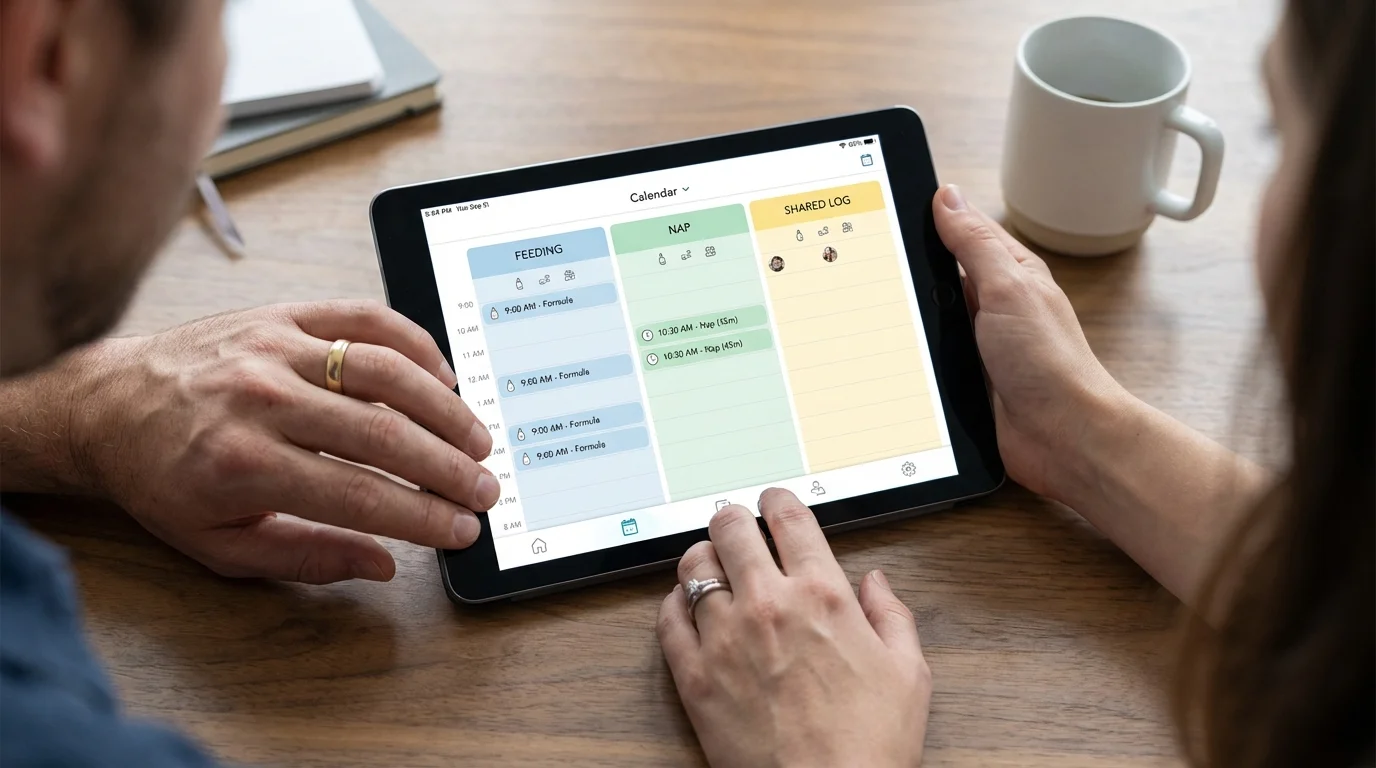
Research suggests that shared records reduce conflict by replacing memory disputes with visible facts. Instead of asking, “Did she nap at 2:00 or 3:00?”, a parent can simply check the log. This shift from verbal questioning to factual recording removes the accusatory tone that often triggers arguments. When co-parenting communication for infants is factual and neutral, it protects boundaries and ensures the baby’s needs remain the focal point pebbi.co. Exploring the best co parenting apps for families can streamline this process significantly.
Developing a Consistent Baby Care Routine
Consistency is the bedrock of infant security. Both homes should strive to maintain similar schedules for feeding, sleeping, and playtime. This doesn’t mean every minute must be identical, but the general rhythm of the day should be recognizable to the baby.
A shared routine helps the baby’s internal clock adjust smoothly, reducing the “jet lag” effect of switching homes. Parents should collaborate to create a master schedule that outlines typical wake-up times, nap windows, feeding intervals, and bedtime rituals. When both parents follow this blueprint, the baby transitions more easily between environments, sleeping better and crying less. This focus on newborn routine coordination is paramount.
Streamlining Handover Processes
Handovers should be business-like and brief. Developing a standardized script or checklist ensures that essential information is transferred without opening the door to emotional conflict.
A practical approach is the “three-item handoff kit.” Before the baby arrives, the receiving parent should know:
1. Feeding Status: When the baby last ate, how much, and when the next feed is due.
2. Sleep Data: When the last nap started and ended, and the baby’s current tired cues.
3. Health/Mood: Any medications given, symptoms to watch for, and the baby’s general temperament. You might also like Best Co Parenting Apps For Families.
By sticking to this script, parents exchange the necessary data without drifting into personal grievances. This structure is particularly helpful for co parenting tips for newborns, as it ensures no critical details are lost in the emotional shuffle of separation. Utilizing dedicated co parenting communication tools can enforce this structure.
Managing Logistics and Information Sharing
Beyond the daily schedule, parents must manage medical appointments, supplies, and developmental milestones. A shared digital calendar can track pediatrician visits and vaccination schedules, ensuring both parents are informed and can attend appointments if appropriate.
Keeping a “baby bag” that travels with the infant can also reduce friction. This bag should contain essential items like diapers, wipes, a change of clothes, and comfort items. This prevents the frustration of arriving at a new home without necessary supplies. Additionally, sharing photos and updates about milestones—like a first smile or a new sound—can help the non-present parent feel connected to the baby’s growth, fostering a sense of shared joy rather than separation.
Prioritizing Your Newborn’s Well-being Through Co-Parenting
While logistics are critical, the ultimate goal of any co-parenting strategy is the emotional and physical health of the child. A newborn’s brain is developing rapidly, and their sense of security is built through consistent, loving interactions with their caregivers.
Ensuring Emotional Security and Stability
Emotional security for a newborn comes from knowing their needs will be met by responsive, calm adults. When parents are in conflict, the resulting stress can affect the primary caregiver’s ability to be emotionally present. This emotional distress is one of the key factors that can negatively impact an infant’s adjustment to divorce.
Babies need routine because they feel secure when life is predictable. Secure attachment is foundational for long-term mental health, and both parents play a special role in helping their child feel loved and safe 2houses. When both homes prioritize this stability, the baby learns that the world is a safe place, even if they have two addresses. Focusing on child friendly co parenting tips can help parents maintain this calm atmosphere.
Fostering a Sense of Safety
Creating a sense of safety goes beyond physical care. It involves the emotional tone of each home. Parents should strive to keep adult conflicts completely away from the baby. Even if an infant cannot understand words, they are sensitive to tone of voice, facial expressions, and body language. Also worth reading: Co Parenting For Divorced Parents.
Supportive co-parenting plays a surprising role here. Research shows that supportive co-parenting can help secure infant attachment, even when parents are separated. This finding underscores that the quality of the parental relationship and the support surrounding the infant are just as crucial as the specific caregiving methods Penn State University.
The Role of Both Parents in Development
Both parents bring unique value to a newborn’s life. Shared care allows the baby to form a distinct, meaningful bond with each caregiver. These bonds are built through the daily acts of caregiving: feeding, bathing, rocking, and playing.
When parents support each other’s role in the baby’s life, it reinforces the child’s sense of identity and belonging. A father who is confident in his caregiving abilities, for instance, provides a different but equally vital source of comfort and stimulation. Encouraging this involvement benefits the child’s self-esteem and emotional resilience, providing them with a broader foundation of support as they grow.
Building a Sustainable Co-Parenting Framework

Newborns grow into infants, then toddlers, and eventually school-aged children. A co-parenting framework that works for a three-month-old will need to adapt as the child’s needs change. Building a flexible, sustainable system from the start saves time and conflict later when managing post-separation baby care.
Creating a Co-Parenting Plan
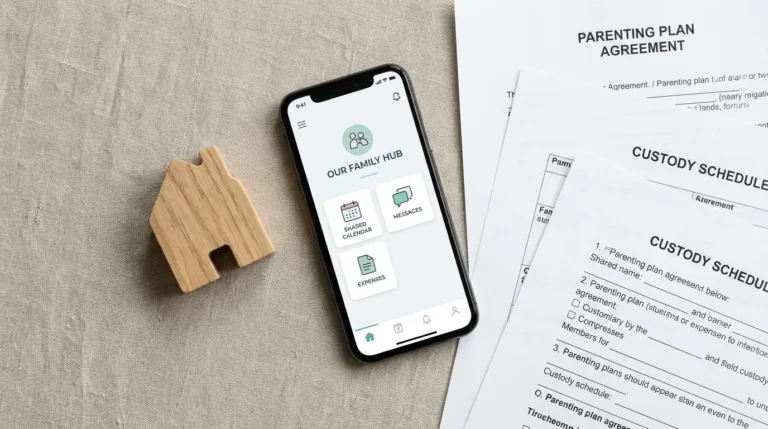
A formal co-parenting plan is an essential tool for separated parents. This document outlines the schedule, decision-making responsibilities, and protocols for information sharing. For newborns, this plan should specifically address feeding schedules, sleep training philosophies, and medical decision-making.
Having these decisions in writing reduces the need for constant negotiation. It provides a roadmap that both parents can refer to when disagreements arise, shifting the focus from “what I want” to “what we agreed is best for the baby.” Learning how to create a co-parenting plan is a vital step for establishing this foundation.
Dispute Resolution and Flexibility
No plan is perfect, and life with a newborn is unpredictable. Illnesses, sleep regressions, and schedule changes are inevitable. A sustainable framework includes a method for resolving disputes and a commitment to flexibility. See also: How To Create A Co Parenting Plan.
Parents should agree on a process for modifying the plan as the child grows. This might involve a monthly check-in to discuss what is working and what needs adjustment. When parents cannot agree, turning to a mediator or family counselor can provide neutral ground. It is usually best for children if co-parenting arrangements keep both parents involved, and children generally do better when their routine is consistent Raising Children Network.
Leveraging Resources for Support
No one expects separated parents to have all the answers. Leveraging outside resources can provide much-needed support. This might include parenting classes, co-parenting counseling, or even simple tools like shared calendars and baby logs.
For parents navigating co parenting tips for newborns, the key is to remain open to learning and revision. What works one week might fail the next. By staying focused on the shared goal—a happy, healthy baby—parents can navigate the challenges of co-parenting a newborn with grace and cooperation.
Frequently Asked Questions

What are the biggest challenges when co-parenting a newborn?
The biggest challenges include the constant need for information sharing, the emotional strain of handovers, and maintaining consistency across two homes. Unlike older children, newborns cannot communicate their needs, placing the burden of coordination entirely on the parents. This requires frequent contact between ex-partners, which can be stressful and prone to conflict if not managed with a clear, neutral system.
How can separated parents ensure their newborn’s routine is consistent across two homes?
Parents should collaborate to create a master schedule that outlines feeding times, nap windows, and bedtime rituals. Using a shared digital log or app allows both parents to track the baby’s day in real-time. This ensures that the baby’s internal clock remains steady, reducing fussiness and sleep issues during transitions between homes.
What is the best way to share information about a newborn’s care with a co-parent?
The best method is to use a dedicated, factual communication channel like a shared app or digital log. Record specific data such as feeding amounts, diaper changes, and nap times rather than relying on memory or verbal updates. This approach minimizes miscommunication and prevents the “interrogation dynamic” that often leads to conflict during handovers.
How often should a non-primary caregiver see a newborn in a co-parenting setup?
There is no single rule, but experts generally recommend frequent, shorter visits for newborns rather than long stretches away from the primary caregiver. This helps the baby bond with the non-primary caregiver while maintaining the stability they need. The schedule should prioritize the baby’s need for routine and attachment, evolving as the child grows and becomes more adaptable.