Essential Co-Parenting Communication Tools for Less Conflict
Understanding the Need for Co-Parenting Communication Tools
Effective co parenting communication tools have become essential for modern families navigating life across two households. When parents separate or divorce, the logistics of raising children together don’t simply disappear—they become more complex. From coordinating school pickups to managing doctor appointments and tracking shared expenses, the need for clear, organized communication becomes critical for everyone’s well-being. For those just starting this journey, understanding the fundamentals of co-parenting after divorce advice is a great first step.
What is Co-Parenting Communication?
Co-parenting communication refers to the ongoing exchange of information between separated or divorced parents regarding their children’s care, schedules, health, education, and general welfare. Unlike communication during a marriage, co-parenting communication must be deliberate, documented, and focused solely on the children’s needs rather than the parents’ relationship. For more guidance, see Child-Friendly Co-Parenting Tips: Nurturing Stability.
This type of communication encompasses everything from daily logistics—like who’s picking up soccer practice—to major decisions about healthcare, education, and extracurricular activities. The goal is maintaining consistency and stability for children despite living in two separate homes. When dealing with very young children, specific guidance on co parenting tips for newborns can be especially helpful.
Why Traditional Communication Fails
Many separated parents initially attempt to communicate through text messages, phone calls, or email. While these methods seem convenient, they often create more problems than they solve. Text messages can be easily deleted or edited, leading to “he said, she said” disputes. Phone calls lack documentation entirely, making it impossible to verify what was agreed upon when memories fade or conflict arises.
Emotional triggers also play a significant role in communication breakdown. When parents communicate directly through personal channels, old wounds and unresolved feelings can surface quickly. A simple question about pickup times can escalate into an argument about past grievances, leaving children caught in the middle.
“In the complex and often emotionally charged world of co-parenting, maintaining clear, respectful, and efficient communication is crucial,” notes Kenny Levine, LCSW, a co-parenting therapist and parenting coordinator kennylevine.com.
The Core Benefits of Dedicated Tools
Co parenting communication tools address these challenges by creating structured, neutral environments for interaction. These platforms offer accountability through time-stamped, unalterable message records that eliminate disputes about who said what and when. This documentation feature alone can prevent countless arguments and provide valuable evidence if legal issues arise.
Beyond accountability, dedicated co-parenting tools reduce child involvement in parental communication. Children should never serve as messengers between homes, yet many well-meaning parents inadvertently put kids in this uncomfortable position. With a centralized platform, all planning and coordination happens directly between parents, protecting children from adult conflicts sharedparenting.org. For parents struggling with high-conflict situations, learning how to co parent with a difficult ex is often necessary, and these tools are vital in that process.
These tools also provide emotional breathing room. Having a digital barrier gives both parents time to process messages and respond thoughtfully rather than reactively. This space can mean the difference between a productive conversation and a damaging argument. Related reading: Co Parenting Strategies For Toddlers.
Key Features to Look for in Co-Parenting Communication Tools

Not all co-parenting apps are created equal. Understanding which features matter most helps parents choose a tool that genuinely serves their family’s needs rather than adding another layer of complexity to an already challenging situation. If you are researching options, reviewing the best co parenting apps for families can provide a great starting point.
Shared Calendars and Scheduling
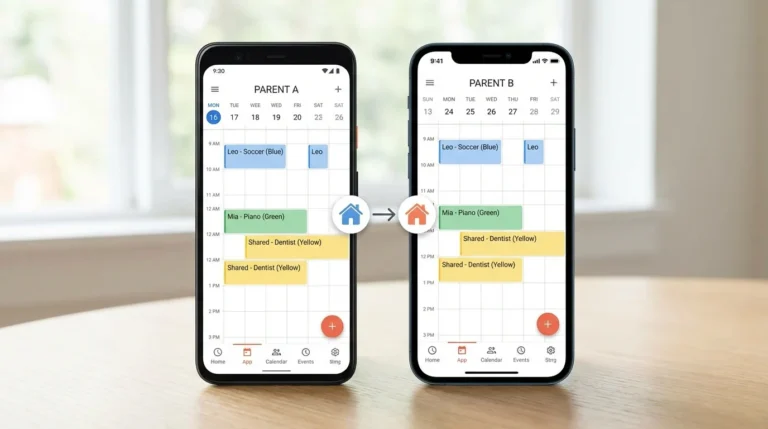
A robust shared calendar serves as the backbone of effective co-parenting coordination. The best co parenting calendar apps allow both parents to view, add, and modify events in real-time, ensuring everyone stays informed about school activities, medical appointments, sports practices, and custody exchanges.
Look for calendars that offer color-coding options to distinguish between different types of events or custody periods. Templates for common parenting schedules (like alternating weekends or week-on/week-off arrangements) can save significant setup time. The ability to set reminders and notifications ensures neither parent misses important dates.
Some advanced calendars also track parenting time statistics, giving both parents a clear picture of actual time spent with the children. This feature can be particularly valuable for parents who want to ensure equitable distribution of parenting time or need documentation for legal purposes.
Secure Messaging and Document Storage
Secure messaging represents one of the most critical features in co parenting communication tools. Unlike regular text messages or emails, dedicated co-parenting messaging apps create permanent, time-stamped records that cannot be altered or deleted by either party.
This unalterable documentation serves multiple purposes. First, it encourages thoughtful communication since both parents know their words are permanently recorded. Second, it provides clear evidence of agreements and conversations if disputes arise. According to family law experts, many apps create court-admissible records that save time, money, and stress in legal disputes douglaslaw.com.
Document storage capabilities allow parents to upload and share important files like medical records, school report cards, insurance information, and legal documents. Having everything in one centralized location eliminates the frustration of searching through emails or paper files when information is needed quickly. For parents who need to formalize their arrangement, knowing how to create a co parenting plan is essential, and these document storage features support that plan. You might also like Co Parenting Tips For Newborns.
Expense Tracking and Payment Features
Financial disagreements rank among the most common sources of co-parenting conflict. Expense tracking features help parents log shared costs, upload receipts, and calculate each parent’s portion. This transparency reduces disputes about who paid for what and whether reimbursements are owed.
Some platforms integrate payment processing, allowing parents to send money directly through the app. This creates a clear record of all financial transactions and can streamline the reimbursement process. For parents who struggle to discuss money matters, having a neutral system handle the logistics can prevent many uncomfortable conversations. These co parenting organizational tools are vital for financial clarity.
Child-Focused Information Hubs
The best co parenting organizational tools include dedicated spaces for storing essential child information. This might include medical information like allergies, medications, and pediatrician contact details; school information including teacher contacts and homework schedules; and practical details like clothing sizes or activity preferences.
When children move between two homes, having consistent access to this information ensures both parents can provide appropriate care. A parent won’t accidentally send a child to school in clothes that don’t meet dress code requirements or forget to administer necessary medication because the information wasn’t readily available. When focusing on younger children, these hubs are crucial for implementing co parenting strategies for toddlers.
Top Co-Parenting Communication Tools: A Comparative Review

Choosing the right co-parenting app requires understanding each platform’s strengths, limitations, and ideal use cases. Here’s a detailed comparison of the leading options available today, helping you navigate the co parenting software comparison.
OurFamilyWizard (OFW)
OurFamilyWizard has earned its reputation as the gold standard in co-parenting software since its founding in 2001. The platform is trusted by courts and family law professionals across all 50 states and internationally, making it the go-to recommendation for high-conflict situations.
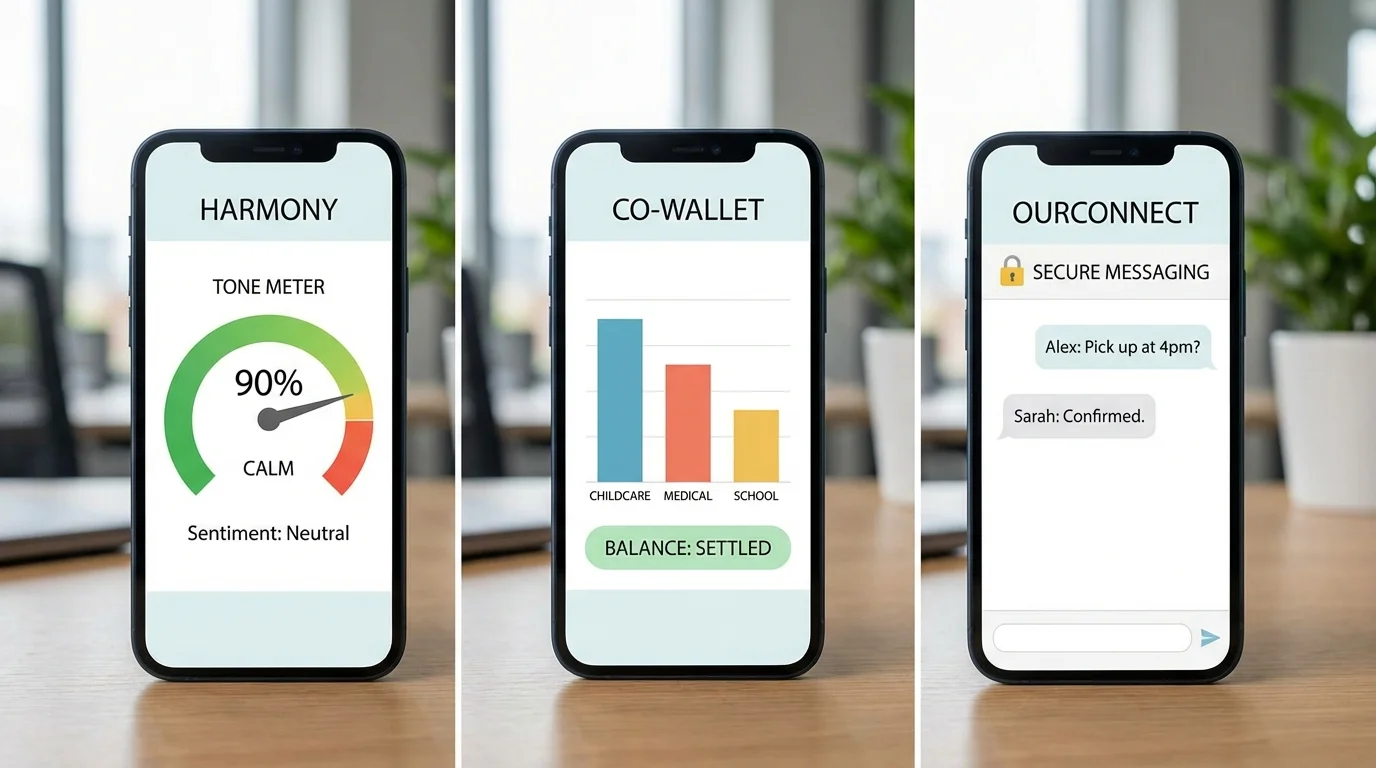
The app offers comprehensive features including shared calendars, expense tracking, secure messaging, and an information bank for storing important documents. One standout feature is the ToneMeter, which analyzes message tone and flags potentially inflammatory language before sending. This tool helps parents communicate more constructively even when emotions run high ourfamilywizard.com. Also worth reading: Best Co Parenting Apps For Families.
OurFamilyWizard holds a 4.5-star rating with over 78,000 ratings on the Apple App Store, reflecting strong user satisfaction despite its premium pricing. The platform offers subscription plans for individual parents, with fee waiver programs available for qualifying families.
TalkingParents
TalkingParents focuses specifically on creating verifiable communication records for parents in contentious situations. The platform offers secure messaging with timestamped, unalterable records, along with Accountable CallingSM and secure document storage talkingparentsdev.com.
This recording capability proves invaluable when one parent has a history of denying conversations or misrepresenting agreements. Every message and call is documented and stored, providing clear evidence if disputes arise. The platform also offers shared calendars and an Info Library, making it a strong contender among coparenting communication apps.
TalkingParents offers a free basic tier with limited features, making it accessible for parents with tight budgets. Premium subscriptions unlock additional storage and calling features.
AppClose
AppClose has rapidly grown into one of the most popular co parenting messaging apps, with hundreds of thousands of co-parents using it monthly. The platform distinguishes itself by offering a comprehensive suite of tools, including audio/video calling and check-ins, often without requiring a subscription fee.
The app boasts robust features including shared calendars, secure messaging, expense tracking, and audio/video calling—all available within their core offering. AppClose is court-recommended in all 50 states and offers features comparable to paid alternatives, making it a high-value option for families seeking comprehensive co parenting communication tools.
Other Notable Options
Several other platforms deserve mention for specific use cases. CoParenter emphasizes putting kids at the center, offering features like mediation on demand and language filters to support more peaceful communication coparenter.com. See also: Co Parenting For Divorced Parents.
For parents seeking AI-powered assistance, newer platforms are emerging that offer conflict filtering and communication coaching. These tools analyze message content and suggest rewrites to reduce inflammatory language, helping parents maintain civil co parenting communication strategies even during difficult periods. When focusing on the children’s perspective, reviewing child friendly co parenting tips is always recommended alongside tool selection.
Making the Most of Your Co-Parenting Communication Tool
Simply downloading an app won’t solve communication problems. Success requires intentional setup and consistent usage by both parents.
Setting Up for Success
Begin by thoroughly exploring your chosen platform’s features together if possible. Complete the initial setup with both parents’ input on calendar settings, notification preferences, and information organization. This collaborative approach starts the relationship on cooperative footing.
Establishing Communication Guidelines
Create clear agreements about how you’ll use the tool. Will you respond to messages within 24 hours? What types of communication belong in the app versus other channels? Setting these expectations early prevents misunderstandings and ensures both parents use the platform consistently. For parents managing complex schedules, having clear rules about exchanging children, especially around holidays, can be supported by looking at co parenting holiday schedule ideas.
Leveraging Features for Reduced Conflict
Use tone-checking features when available. If your app offers AI-assisted message analysis, take advantage of suggestions to keep communication neutral and productive. Remember that written communication lacks nonverbal cues, so clarity and respect should be priorities. Utilizing these features is a key part of effective co parenting communication strategies.
When to Seek Professional Help
If communication remains contentious despite using dedicated tools, consider involving a co-parenting counselor or mediator. “Co-parenting apps can streamline communication, reduce misunderstandings, and even provide legal-friendly records of conversations and expenses,” according to family law attorneys at Jetton & Meredith jettonmeredithlaw.com. However, technology alone cannot resolve deep-seated conflicts that may require professional intervention. If you suspect your ex’s behavior is rooted in personality issues, you might need specialized guidance on how to co parent with a narcissist.
Frequently Asked Questions

What are the essential features of a good co-parenting communication app?
A quality co-parenting app should include shared calendars for scheduling, secure messaging with unalterable records, expense tracking with receipt upload capabilities, and document storage for important child information. Additional valuable features include tone monitoring or AI-assisted communication tools, parenting time statistics, and integration with legal professionals. The best platforms balance comprehensive functionality with user-friendly interfaces that both parents can navigate easily.
How do co-parenting communication tools help reduce conflict between parents?
These tools reduce conflict by creating accountability through permanent, time-stamped records that eliminate “he said, she said” disputes. They provide emotional buffer space, allowing parents to process messages before responding rather than reacting impulsively. Structured communication formats keep conversations focused on children’s needs rather than past relationship issues. Additionally, having clear documentation reduces anxiety about forgotten agreements or misunderstood arrangements.
Are co-parenting apps necessary if we have a good relationship with our co-parent?
Even amicable co-parents benefit from dedicated communication tools. These platforms provide organization that reduces mental load, ensuring nothing falls through the cracks. They create valuable documentation that can prove useful if circumstances change. Using a co parenting communication tool demonstrates commitment to structured, child-focused communication and can prevent small misunderstandings from escalating into larger issues. Many cooperative parents find the tools simply make life easier, supporting the overall goals of co parenting for divorced parents.
Can co-parenting communication tools be used for legal purposes?
Yes, many co-parenting apps create court-admissible records. Messages are typically time-stamped and cannot be altered or deleted, providing clear documentation of agreements and conversations. Courts often accept exported records from these platforms as evidence in custody disputes or modification hearings. Always consult with your attorney about how to properly document and present app records in legal proceedings.