Co-Parenting for Divorced Parents: A Guide to Success

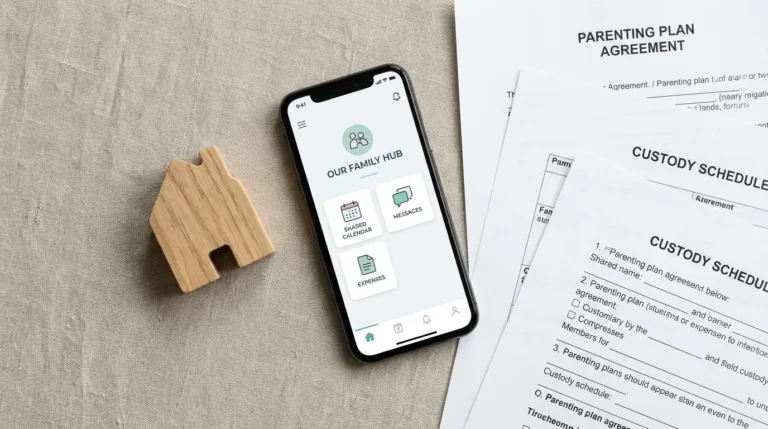
Co parenting for divorced parents is one of the most challenging yet important responsibilities you’ll ever face. When a relationship ends, the romantic partnership dissolves—but the parenting partnership must continue. Rather than viewing this as a painful continuation of your past relationship, the most effective approach is to treat effective co parenting as a business venture where your child is the primary stakeholder and both parents are committed partners working toward shared goals. For more guidance, see Co-Parenting After Divorce Advice: Building a Team for Your Kids.
Research consistently shows that when divorced parents are able to parent together respectfully, with low conflict, low hostility, and more cooperation and agreement, kids just do better. They have better overall mental health and higher self-esteem, do better in school, and have fewer behavioral problems smartcouples.ifas.ufl.edu. This guide will walk you through the essential elements of successful co parenting for divorced parents, helping you build a stable, supportive environment for your children while maintaining a professional, child-centered approach.
Understanding the Fundamentals of Co-Parenting After Divorce
What is Co-Parenting?

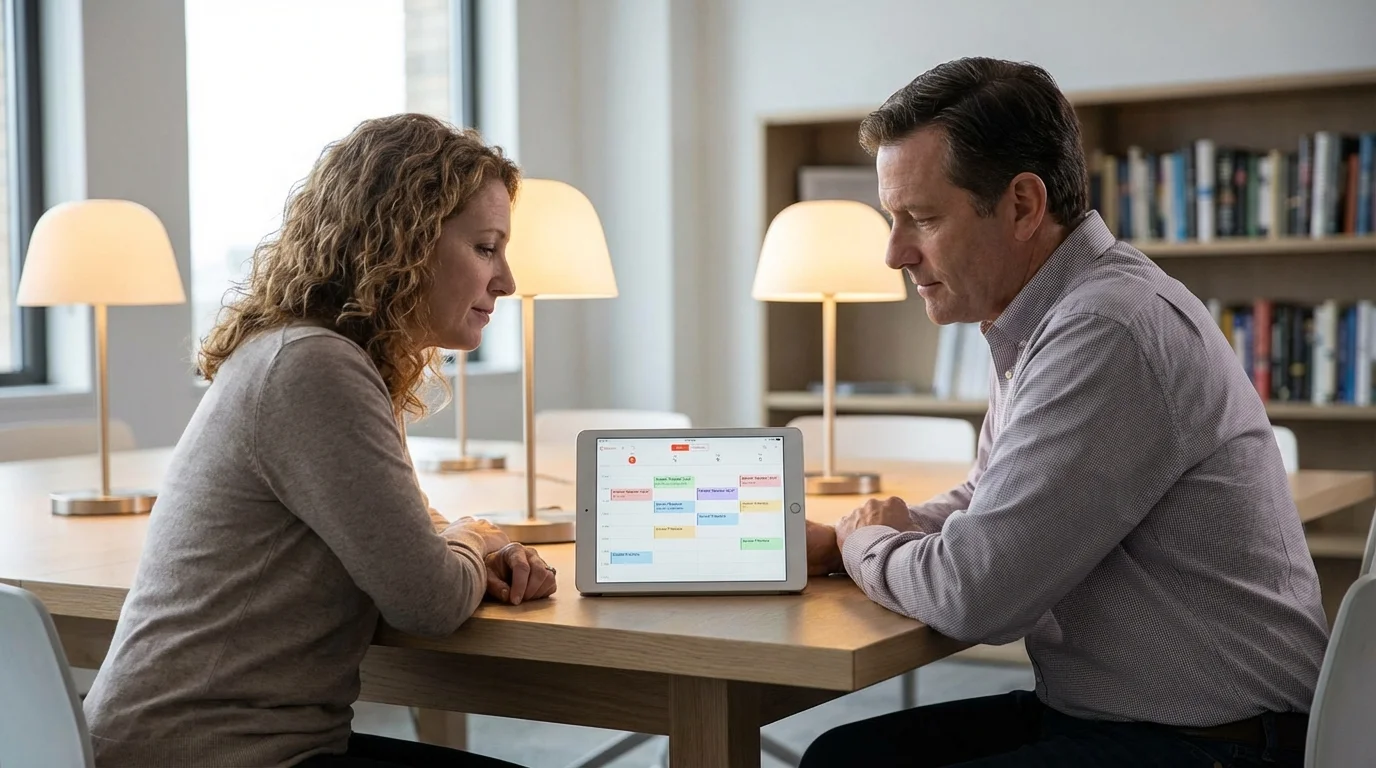
Co parenting for divorced parents is the arrangement where both divorced or separated parents continue to share responsibility for raising their children even though they no longer live together. It’s important to distinguish co-parenting from parallel parenting, which involves minimal direct communication between parents and more independent decision-making in each household. While parallel parenting may be necessary in high-conflict situations, traditional co-parenting emphasizes collaboration and shared decision-making for the child’s benefit.
The single most important co-parenting tip is to separate your personal feelings about your ex from your role as a parent. Your children should never feel like they are caught in the middle of a conflict medium.com. This means leaving relationship grievances at the door and approaching parenting as a professional partnership focused entirely on your child’s welfare.
Why Co-Parenting is Crucial for Children’s Well-being
Children of divorced parents face significant adjustments, but research shows that the quality of co-parenting can dramatically influence their adjustment outcomes. It’s usually best for children if co-parenting arrangements keep both parents involved in a child’s life ourfamilywizard.com. When parents maintain a cooperative relationship, children experience greater stability, security, and emotional well-being.
The benefits extend beyond emotional health. Children in low-conflict co-parenting situations tend to perform better academically, exhibit fewer behavioral problems, and develop healthier relationships with both parents. This is because consistent, unified parenting provides the structure and security children need for raising children after divorce successfully.
Types of Co-Parenting Approaches
There are several co-parenting models, each suited to different family dynamics. Cooperative co-parenting involves high collaboration, shared decision-making, and frequent communication. This approach works best when parents can maintain respectful dialogue and prioritize the child’s needs over past grievances.
Parallel parenting is more appropriate when communication between parents is highly contentious or impossible. In this arrangement, each parent makes decisions independently during their custodial time, with minimal direct interaction. While less ideal, it can be necessary to protect children from exposure to parental conflict. Related reading: Child-Friendly Co-Parenting Tips: Nurturing Stability.
The key is choosing an approach that minimizes stress on your children while allowing both parents to remain actively involved in their lives. By focusing on what’s best for your kids, developing your communication tactics, and sticking to consistent rules, you can work together more effectively smartcouples.ifas.ufl.edu.
Creating a Successful Co-Parenting Plan

Key Components of a Co-Parenting Plan

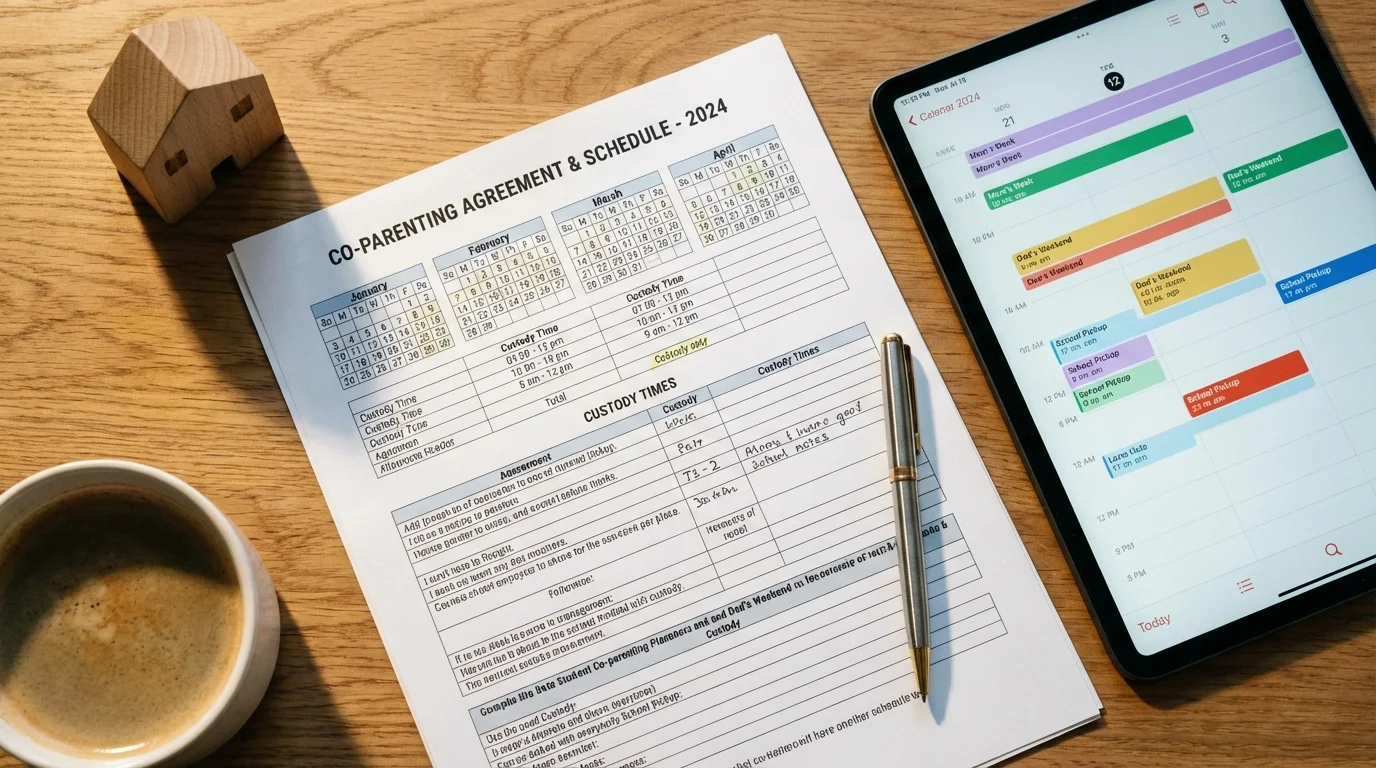
A comprehensive co parenting plan serves as your roadmap for successful parenting after divorce. This written document should outline custody schedules, communication methods, decision-making processes, and protocols for handling disagreements. The importance of having this plan in writing cannot be overstated—it provides clarity, reduces misunderstandings, and serves as a reference point when conflicts arise. Learning how to create a co parenting plan is a vital first step.
Your plan should address major areas including residential child custody arrangements, holiday and vacation schedules, education decisions, healthcare access, religious upbringing, and extracurricular activities. Both parents need to know what children are involved in and when, and to be aware of each other’s planned trips and activities smartcouples.ifas.ufl.edu. While the plan should be detailed enough to provide guidance, it must also include provisions for modifications as circumstances change.
Establishing Clear Communication Guidelines
Co parenting communication is the foundation of successful co-parenting. All communication with your ex should be professional, written, and focused only on the children—treat it like a job, not a relationship medium.com. This means establishing clear boundaries around when and how you’ll communicate.
Consider designating specific times for co-parenting discussions rather than allowing constant interruptions. Stick to factual, child-focused topics and avoid bringing up personal grievances or relationship history. You may want to consider having a regular time to check in about these issues, whether by phone, email, or even in person. It may also be useful to share calendars electronically smartcouples.ifas.ufl.edu.
The goal is to maintain consistent communication about schedules, routines, activities, and changes while keeping the conversation focused exclusively on your children’s needs. Utilizing dedicated co parenting communication tools can greatly assist in maintaining this focus.
Managing Logistics and Daily Routines
Practical logistics can become major sources of conflict in co-parenting arrangements. Managing day-to-day responsibilities requires coordination around school schedules, extracurricular activities, medical appointments, and the logistics of moving belongings between two homes. You might also like Co Parenting Strategies For Toddlers.
Children thrive on structure, and disagreements between homes can lead to confusion and anxiety. Try to align on the big things—like bedtime, homework time, and discipline—so there’s consistency hellodivorce.com. This doesn’t mean both households must be identical, but core rules and expectations should remain stable to reduce anxiety and confusion for your kids.
Establish clear protocols for exchanging children, sharing school information, and coordinating healthcare. Both parents need to be aware of changes in each other’s lives, such as new jobs or new partners, as these may impact parenting schedules. Creating a shared system—whether through apps, shared calendars, or physical planners—ensures everyone stays informed and reduces opportunities for miscommunication.
Financial Considerations in Co-Parenting
Beyond child support, co-parenting involves numerous financial considerations that should be addressed in your plan. This includes sharing costs for education expenses, healthcare, extracurricular activities, clothing, and miscellaneous child-related expenses.
Each parent needs to respect the law and the terms of the divorce and separation when it comes to child support and visitation smartcouples.ifas.ufl.edu. Financial transparency is essential building trust between parents; children require agreement, and parents must agree on major expenditures. Consider establishing a system for pre-approving expenses above a certain threshold and determining how recurring costs will be divided. The more clearly you address these financial logistics in your written plan, the fewer disputes you’ll face later.
Navigating Challenges and Fostering a Positive Co-Parenting Relationship
Common Co-Parenting Challenges and Solutions

Even with the best intentions, co parenting for divorced parents presents ongoing challenges. Communication breakdowns, conflicting schedules, and residual emotional tension from the former relationship are common obstacles that every divorced parent must navigate.
One of the most significant challenges is maintaining boundaries and keeping parent-parent conflict away from the children. Though there are bound to be issues you and your ex don’t agree about or are still struggling with, keep these conversations private and between the adults smartcouples.ifas.ufl.edu. The kids are likely to have seen more than enough conflict already.
Other frequent challenges include dealing with schedule changes, managing different parenting styles, and navigating new relationships. The key is addressing these issues directly and respectfully rather than allowing resentment to build. When problems arise, focus on solutions rather than assigning blame. If you find communication particularly difficult, you might need specific guidance on how to co-parent with a difficult ex. Also worth reading: Co Parenting Tips For Newborns.
Strategies for Respectful Interaction
Building a respectful co-parenting relationship requires intentional effort and clear boundaries. Never criticize the other parent in front of your children or use your children to gather information—they need the freedom to love both parents without loyalty pressure medium.com.
Your child isn’t a middleman. If you need to talk to your co-parent, do it directly instead of putting your child in the awkward position of relaying messages divorce.com. Even if you’re frustrated, vent to a friend—not your child. Kids should feel free to love both parents without guilt or pressure.
When interacting with your ex, maintain a business-like tone. Stick to facts, avoid emotional language, and keep discussions focused on practical parenting matters. This professional approach helps depersonalize interactions and reduces the likelihood of conflict escalation.
Handling Conflict and Disagreements
Disagreements are inevitable in any co-parenting relationship. The key is handling them constructively without involving your children or allowing them to escalate into sustained conflict. Research demonstrates that children who are exposed to high levels of ongoing parental conflict are at higher risk of various behavioral and emotional problems family-institute.org.
When conflicts arise, pause before responding. Take time to cool down and approach the conversation with a solution-focused mindset rather than seeking to “win” the argument. Ask yourself: what’s best for our child? This question should always be your guiding principle.
If direct communication proves consistently difficult, consider involving a neutral third party such as a mediator or therapist. And if things get tough, don’t hesitate to seek support smartcouples.ifas.ufl.edu. Professional support can help you develop effective communication strategies and conflict resolution skills.
Prioritizing the Child’s Emotional Needs
Throughout your co-parenting journey, keeping your child’s emotional needs at the forefront is essential. Children need to feel loved by both parents without guilt or pressure—they should never feel responsible for your happiness or sadness medium.com.
Support your children through transitions between households by maintaining consistent routines and providing reassurance. Be alert to signs of emotional distress, and consider implementing child friendly co parenting tips if your child is struggling to adjust. The goal is to create an environment where your child feels secure, loved, and free to maintain a healthy relationship with both parents. See also: Best Co Parenting Apps For Families.
Resources and Tools for Co-Parenting Success

Digital Tools and Apps for Co-Parenting

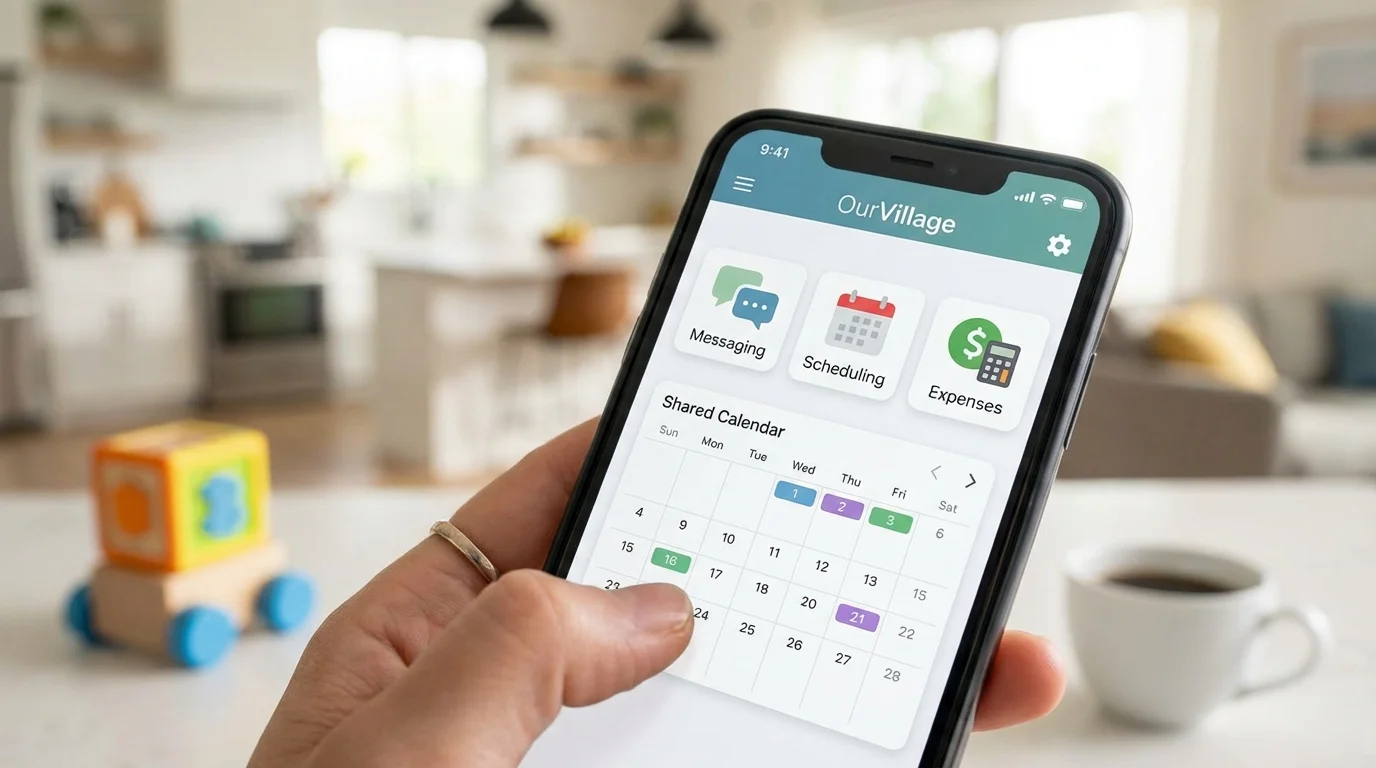
Modern technology offers numerous tools to streamline co parenting communication and logistics. Co-parenting apps like OurFamilyWizard, Cozi, and 2Houses provide shared calendars, message boards, expense tracking, and document storage specifically designed for separated families. These platforms create a centralized hub for all co-parenting communication, reducing miscommunication and providing documentation if disputes arise. Reviewing guides on the best co parenting apps for families can help you select the right tool.
Professional Support and Mediation
When co-parenting challenges seem insurmountable, professional support can make a crucial difference. Family therapists, co-parenting counselors, and mediators specialize in helping divorced parents develop effective co parenting strategies and resolve conflicts constructively. These professionals can provide objective guidance and help you develop a co parenting plan that works for your unique situation.
Legal Considerations
Understanding the legal aspects of co-parenting is important for protecting your rights and your child’s interests. Parenting plans can be modified through legal channels when circumstances change significantly. Consulting with a family law attorney can help ensure your co-parenting agreement reflects your family’s needs and complies with local regulations regarding child custody arrangements.
Frequently Asked Questions
What is the difference between co-parenting and parallel parenting?
Co-parenting involves active collaboration between both parents, including shared decision-making and regular communication about the child’s welfare. Parallel parenting, on the other hand, is a more independent approach where each parent makes decisions during their own custodial time with minimal direct interaction. Parallel parenting is typically used in high-conflict situations where direct communication between parents is harmful to the children.
How can divorced parents effectively communicate about their children?
Effective co parenting communication requires establishing clear boundaries, using written or digital channels when possible, and focusing exclusively on child-related topics. Keep discussions factual rather than emotional, avoid discussing personal grievances or new romantic relationships, and maintain professional courtesy. Consider using co-parenting apps that provide structured communication and create documentation of all exchanges.
What are the essential elements of a co-parenting plan?
A comprehensive co parenting plan should include residential child custody arrangements, holiday and vacation arrangements, decision-making processes for education and healthcare, communication guidelines, protocols for handling disagreements, and provisions for plan modifications. The plan should be detailed enough to provide clear guidance while remaining flexible enough to accommodate changing circumstances.
How can I handle disagreements with my co-parent without escalating conflict?
When disagreements arise, pause before responding to allow yourself to cool down. Focus on finding solutions rather than assigning blame, and always ask yourself what outcome would be best for your child. Keep discussions focused on practical issues rather than reliving past conflicts. If direct communication becomes consistently difficult, consider involving a neutral mediator or seeking professional support to help resolve disputes constructively.
Co parenting for divorced parents is undeniably challenging, but it’s also one of the most important investments you can make in your child’s future. By treating your co-parenting relationship as a professional partnership focused on your child’s well-being, you can minimize conflict, provide stability, and give your children the opportunity to thrive despite family changes. Remember: your personal relationship with your ex may have ended, but your partnership as parents continues—and that partnership can be incredibly valuable to your children’s development when approached with intention, respect, and commitment.