Finding Your True Self After Divorce: A Guide to Reinvention
Divorce doesn’t just end a marriage—it fundamentally reshapes how you see yourself. Finding your true self after divorce means navigating one of life’s most profound identity transitions, often without a roadmap. The shared milestones, unspoken assumptions, and sense of who you were becoming together all dissolve, leaving many people wondering: “Who am I now?”
This question isn’t a sign of weakness. It’s a natural response to a major life restructuring. The good news? This unsettling void is actually a blank canvas—an invitation to create a life that reflects who you genuinely are, not who you became within the context of a partnership. For more guidance, see How To Create A New Identity After Divorce.
Understanding the Identity Shift Post-Divorce

The “We” to “Me” Transition
For years, your identity may have been quietly organized around a shared “we.” This doesn’t mean you lost your individuality completely, but your decisions, rhythms, and expectations were likely shaped within a relational framework. The future was imagined together. Even independence lived inside a shared frame Kim Kimball Coaching.
When divorce occurs, that organizing structure dissolves. As Kim Kimball explains, what ends is “not only a relationship, but an orientation to the future that once gave your life shape.” The question “Who am I now?” often arises in ordinary moments—when you introduce yourself, when you imagine the next few years, when you make decisions that once felt mutual.
This transition from “we” to “me” can feel disorienting because the brain’s old wiring must adjust to a completely new reality. Your neural pathways developed patterns around shared decision-making, compromise, and partnership. Now those pathways need to forge new connections based on individual choice and self-directed living. If you are struggling with this shift, learning how to find your true self can provide direction.
The Unspoken Invitation to Self-Discovery
What makes divorce particularly challenging is that the identity crisis it triggers often goes un-discussed. People talk openly about the logistics, the grief, the anger, and even the relief. But the quiet unraveling of self that follows? That remains largely unspoken.
Alex Beattie from The Divorce Planner describes this experience: “The hardest part wasn’t just losing the relationship. It was losing me in the version of ‘we’ that I had been living for years: the routines, the role of being a wife, the role of being a mother, and having no idea who I was in my own life beyond all of that” The Divorce Planner.
This sense of being untethered is remarkably common. You may feel capable in many areas of your life while still experiencing a strange hollowness when asked what you want, what you enjoy, or where you see yourself in five years. The roles you inhabited for years no longer apply in the same way. Understanding what is identity disruption after divorce can help validate these feelings.
Recognizing the Identity Crisis as an Opportunity
Here’s a crucial reframe: an identity crisis after divorce does not mean you’re regressing. It means a core organizing structure has ended, and your system is recalibrating. This process, while uncomfortable, opens doors that may have been closed for years.
Research shows that individuals who strongly tie their identities to one specific relationship experience levels of distress after divorce comparable to those who experienced the death of a loved one or major job loss Hello Divorce. This statistic underscores just how significant this identity disruption truly is. Related reading: Divorce And Self Discovery Journey.
Yet within that disruption lies possibility. The void isn’t emptiness—it’s space. Space to explore interests that were sidelined. Space to question assumptions you never examined. Space to build a future designed entirely by you, for you. This is the core of the divorce and self discovery journey.
Strategic Steps to Rediscover Your True Self

Prioritizing Practical Stability and Emotional Healing
Before diving into deep self-discovery work, establish your foundation. Secure the basics: legal matters, financial stability, and living arrangements. This isn’t busywork—it’s essential infrastructure that creates the mental and emotional bandwidth for genuine healing.
According to relationship experts at Tawkify, practical stability reduces anxiety and gives you energy to heal Tawkify. Start with three simple, non-dating goals this month: set a weekly workout routine, organize one room in your home, and finalize any remaining paperwork. If you are concerned about your financial footing, reviewing steps to financial independence after divorce can be a proactive measure.
Self-care fundamentals matter more than you might think. Sleep, movement, and steady meals are non-negotiable for emotional recovery. When your body feels stable, your mind can process complex emotions without becoming overwhelmed. Small, repeatable habits rebuild your baseline so you can handle bigger choices without burning out. This is a vital part of the how to start emotional healing journey.
Revisiting Forgotten Joys and Exploring New Passions
What did you love doing before your marriage? What hobbies or interests took a backseat when life got busy or when your relationship required compromise? These forgotten pieces of yourself are waiting to be reclaimed.
Yvette E. McDonald, a licensed clinical social worker, shares her personal experience: “When I got divorced, I didn’t know who I was anymore, and to be honest, it was terrifying. The life I knew was shattered, and I was left staring at all the broken pieces, unsure of how to even begin” Traveling Light Counseling.
Her solution? She approached it as an opportunity—a chance to do a “full clean-up” while she was already in a vulnerable state. She cleared out old wounds, confronted her fears, and embraced becoming a new version of herself.
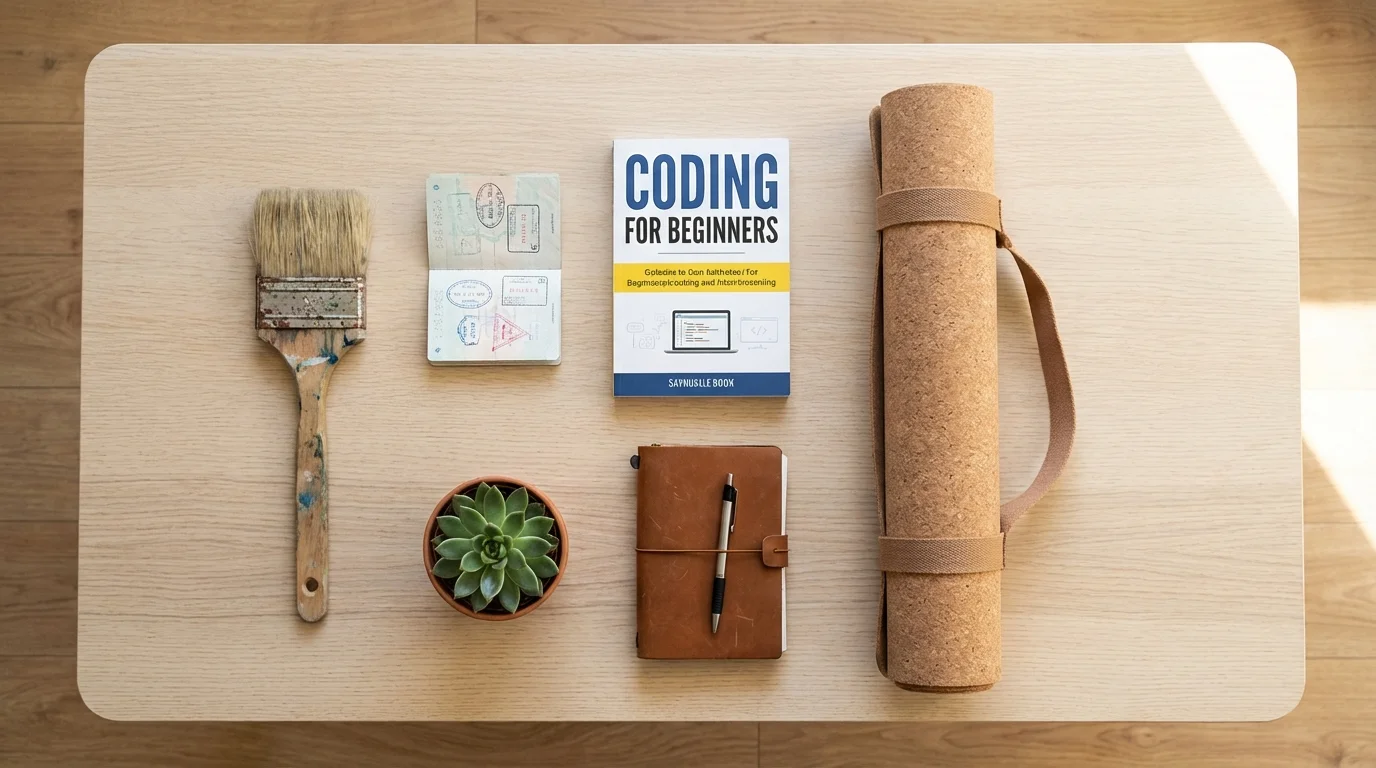
Make a list of activities that once brought you joy. Maybe it was painting, hiking, playing an instrument, or traveling solo. Then add activities you’ve always wanted to try but never made time for. Sign up for a class, join a local group, or simply set aside time each week to experiment without pressure. This is key to self-discovery after divorce. Exploring finding passions after divorce can spark this process. You might also like Finding Passions After Divorce: Your Guide to Rediscovering Self.
Defining New Boundaries and Designing Personal Routines
Divorce often forces you to stand on your own for the first time in a long while. This can feel intimidating, but it’s also liberating. You now have complete authority over your schedule, your space, and your choices.
Start by establishing boundaries that protect your energy and emotional wellbeing. This might mean limiting conversations about your ex with certain people, saying no to social obligations that drain you, or creating quiet time for reflection each morning. Understanding setting healthy boundaries after divorce is crucial here.
Design routines that serve your individual needs—not the needs of a partnership. Maybe you want to start your day with a walk instead of making breakfast for two. Perhaps evenings become time for reading rather than watching shows someone else chose. These small choices add up to a significant reclamation of self.
Cultivating a Supportive and Evolving Social Network
Your social circle will likely shift after divorce. Some relationships were built primarily around couple dynamics. Others may feel awkward as people don’t know how to navigate your new status. This is normal—and it’s also an opportunity for personal growth divorce brings.
Focus on nurturing friendships that feel genuine and supportive. Seek out people who are curious about who you’re becoming, not just interested in rehashing what happened. Consider expanding your network through activities, classes, or groups aligned with your interests. If children are involved, learning about co-parenting after divorce advice can help manage social interactions with your ex.
Social reentry should be gradual and safe. Small-group experiences and warm introductions feel less risky than jumping into large gatherings or dating scenarios. Remember: you’re rebuilding, not racing.
Embracing Reinvention and Building a Fulfilling Future

The Power of Rewriting Your Self-Story
One of the most transformative aspects of moving on after divorce is the opportunity to rewrite your narrative. For too long, you may have defined yourself in relation to someone else—first as a partner, then as someone going through a divorce. Neither tells your complete story.
As Kurt Vaillancourt, a licensed marriage and family therapist, notes, “Many people step out of a divorce, leaving the legal processes and practical decisions behind, only to find that the deeper emotional work is just beginning” Findoctave. Also worth reading: Rediscovering Yourself After Divorce in Your 30s: A New Chapter.
This deeper work involves shifting from defining yourself by what ended to defining yourself by what you’re creating. What do you value? What do you stand for? What kind of life do you want to build? These questions form the foundation of your new story, paving the way for reinvention after divorce. Learning how to create a new identity after divorce is central to this phase.
Rebuilding Confidence Brick by Brick
Self-worth often takes a hit during divorce, even when the decision was mutual or necessary. Rebuilding identity after divorce requires intentional effort and patience with yourself.
Start with small achievements. Complete a project you’ve been avoiding. Try something new and let yourself be a beginner. Make decisions—even minor ones—without seeking validation from others. Each choice you make independently reinforces your capability and agency. If you are looking for guidance on this, reading up on rebuilding confidence after divorce tips can be very helpful.
Celebrate progress without demanding perfection. You’re learning to live in a new way, and that learning curve deserves compassion, not criticism.
Growth Through Education and Purpose
Many people find that pursuing education, training, or meaningful work becomes a powerful anchor during personal growth divorce brings. This isn’t about distracting yourself—it’s about channeling your energy into growth that serves your future self.
Consider what skills you’d like to develop or what causes matter to you. Volunteer work can provide purpose and connection. Career changes or educational pursuits can open doors you didn’t know existed. The key is choosing something that genuinely excites you, not something you think you “should” do. Exploring career changes after divorce might be a good starting point.
Accepting the Non-Linear Nature of Healing and Self-Discovery
Perhaps the most important thing to understand about healing after divorce is that it doesn’t follow a straight line. Some days you’ll feel strong and clear. Other days you’ll feel lost and overwhelmed. Both are part of the process.
Grief comes in waves. Identity reconstruction happens in layers. What feels like a setback may actually be a necessary pause for deeper integration. Trust that the discomfort of uncertainty is temporary, even when it feels endless. See also: Identity Loss After Divorce Solutions.
Navigating Common Challenges and Questions
Dealing with Grief and Loss
Grief after divorce is multifaceted. You’re not only grieving the end of a relationship—you’re mourning the loss of the future you thought you’d have, the role you played, daily routines that provided structure, social connections that shifted, and financial security that may have changed. Each of these losses deserves acknowledgment.
Give yourself permission to feel all of it. Anger, sadness, relief, confusion—these emotions aren’t obstacles to healing. They’re part of healing after divorce. Journaling, talking with trusted friends, or working with a therapist can help you process what you’re experiencing. Consider using journal prompts for emotional release to aid this process.
Overcoming Fear of the Unknown
Fear of the unknown is one of the most common challenges people face after divorce. When the future you planned for falls away, staring at a blank slate can feel terrifying rather than freeing.
Combat this fear by focusing on what you can control. Set small, achievable goals. Create structure where there is none. Take one step at a time rather than trying to figure out your entire future at once. Action, even imperfect action, reduces anxiety more effectively than endless planning as you build your new life after divorce. If anxiety is a major hurdle, learning anxiety after divorce how to cope strategies can help.
The Role of Therapy and Coaching
Professional support can be invaluable during this transition. Therapists help you process emotions and develop coping strategies. Divorce coaches provide practical guidance and accountability. Support groups connect you with others who truly understand.
Seeking help isn’t a sign of weakness—it’s a sign of wisdom. The most resilient people are often those who know when to ask for support in their journey of finding your true self after divorce.
Frequently Asked Questions
How can I start finding my true self after divorce when I feel lost?
Start small and focus on the present rather than the bigger picture. Give yourself permission to grieve before trying to rebuild identity after divorce. Reconnect with one activity or interest you enjoyed before your marriage. Establish simple daily routines that provide structure. Most importantly, be patient with yourself—finding your true self is a process, not a destination you reach overnight.
What are practical ways to rebuild my identity after ending a long-term marriage?
Begin by securing practical stability—financial, legal, and living arrangements. Then explore who you are outside of your former roles. Make lists of your values, interests, and goals. Try new activities without pressure to commit. Set boundaries that protect your energy. Build friendships that reflect who you are now. Consider working with a therapist or coach who specializes in divorce recovery and self-discovery after divorce. Learning how to rebuild identity after divorce offers specific guidance.
Is it normal to feel grief and sadness even when the divorce was necessary?
Absolutely. Grief after divorce is completely normal regardless of why the marriage ended. You’re not only grieving the relationship—you’re mourning the loss of shared dreams, familiar routines, social connections, and the identity you built within that partnership. Even when divorce is the right choice, it still represents a significant loss that deserves to be processed with compassion. Understanding the emotional healing stages after divorce can provide context for these feelings.
How do I create new routines and boundaries that serve my individual needs post-divorce?
Start by identifying what you actually want and need, separate from what anyone else expects. Design morning and evening routines that energize and ground you. Set boundaries around conversations about your ex, social obligations that drain you, and time for yourself. Remember that your schedule, your space, and your choices are now entirely yours to shape—embrace that freedom intentionally rather than defaulting into new patterns without conscious thought as you move toward reinvention after divorce.