Techniques for Healing Past Emotional Wounds & Recovery

Understanding Emotional Wounds and Their Impact

Emotional wounds are deep-seated psychological injuries resulting from painful life experiences, often stemming from childhood trauma, abusive relationships, loss, or other distressing events. Unlike physical wounds that visibly mend, emotional wounds can persist beneath the surface, influencing how you think, feel, and interact with the world long after the original event has passed. Understanding these wounds is the crucial first step toward meaningful healing past emotional wounds techniques and achieving recovery. For more guidance, see How To Start Emotional Healing Journey.

What are Emotional Wounds?
Emotional wounds are psychological injuries that occur when individuals experience events that overwhelm their capacity to cope. These wounds can develop from single traumatic incidents or from prolonged exposure to harmful situations such as neglect, abandonment, or chronic emotional abuse. Research indicates that as many as 70.4% of the population has experienced one or more potentially traumatic events during their lifespan ScienceDirect. This high prevalence underscores why learning effective healing past emotional wounds techniques is so relevant for nearly everyone.
Types of Emotional Trauma
Trauma specialists typically categorize emotional trauma into three main types: acute, chronic, and complex. Acute trauma results from a single distressing event, such as an accident or natural disaster. Chronic trauma involves repeated, prolonged exposure to traumatic situations, such as ongoing abuse or living in a war zone. Complex trauma occurs when an individual experiences multiple traumatic events, often within interpersonal relationships, particularly during critical developmental periods in childhood ScienceDirect.
Approximately 30% of individuals exposed to potentially traumatic events develop trauma-specific symptoms like PTSD ScienceDirect. Understanding which type of trauma you’ve experienced can help guide appropriate healing approaches and determine whether professional support may be beneficial as you implement emotional healing strategies.
How Past Wounds Affect Present Well-being
Unresolved emotional wounds don’t simply disappear with time. They often manifest in various ways throughout your daily life, affecting relationships, self-esteem, and overall functioning. You might notice patterns of difficulty trusting others, recurring negative self-talk, emotional triggers that feel disproportionate to current situations, or physical symptoms like chronic tension and fatigue.
These wounds can create what therapists call “adaptive injuries” — ways of protecting yourself that once made sense but now hinder your ability to thrive. For example, someone who experienced emotional neglect might develop hypervigilance as a survival mechanism, constantly scanning for danger in relationships. While this protective response served a purpose in the past, it can now create anxiety and prevent authentic connection with others, making processing past trauma essential. If these relationship patterns stem from past hurts, learning about how to build emotional safety in relationships can be beneficial.
Core Techniques for Healing Emotional Wounds

Healing from emotional wounds requires intentional effort and the application of specific techniques that address both the psychological and physiological aspects of trauma. The following core strategies form the foundation of meaningful recovery and can be integrated into your daily life alongside professional therapeutic support when needed.

The Power of Acknowledgment and Validation
The journey toward healing begins with acknowledging your pain rather than suppressing it. Many people spend years avoiding their emotional wounds, convincing themselves they should “just get over it” or that their feelings aren’t valid. However, avoidance typically prolongs suffering rather than resolving it. Related reading: Best Books For Emotional Healing.
Acknowledgment involves consciously recognizing what happened to you and validating your emotional response to those events. It’s understanding that your reactions — whether fear, anger, sadness, or numbness — made perfect sense given your experiences. This validation isn’t about dwelling on the past or making yourself a victim; it’s about honoring your truth and creating space for genuine healing Psychology Today.
Practically, this might involve quietly acknowledging to yourself: “What happened was hard. It makes sense that I feel this way.” You can also write about your experiences in a journal, giving yourself permission to feel and express what arises without judgment. Exploring journal prompts for emotional release can be a great starting point.
Seeking and Utilizing Support Systems
Healing doesn’t have to happen in isolation. In fact, connection with others is often essential for meaningful recovery. Support can come from multiple sources, including trusted friends, family members, support groups, and mental health professionals. Each type of support offers unique benefits.
Friends and family who are trustworthy can provide emotional validation, practical help, and a sense of connection that counters the isolation trauma often creates. Support groups — whether in-person or online — connect you with others who truly understand because they’ve walked similar paths. Professional therapists offer specialized tools and a safe, confidential space to process difficult experiences Hilarispublisher.
When seeking support, it’s important to choose people who can listen without trying to “fix” your feelings or minimize your experiences. Look for those who respect your healing process and allow you to move at your own pace. Building a strong support network is one of the fundamental steps to emotional recovery.
Cultivating Self-Compassion and Forgiveness
Self-compassion for emotional wounds is perhaps one of the most powerful healing tools available, yet it’s often the most challenging to practice — especially for those carrying deep emotional wounds. Self-compassion involves treating yourself with the same kindness and understanding you would offer a good friend who was struggling Dr. Arielle Schwartz.
Self-compassion involves two key actions. First, we must set limits with ourselves to reduce habitual negative thoughts and behaviors that perpetuate harm. Second, we must repeatedly practice new kind and loving thoughts and behaviors. Self-compassion becomes easier and more accessible when we revisit this practice on a regular basis Dr. Arielle Schwartz.
Forgiveness, particularly self-forgiveness, allows you to release the burden of shame and self-blame that often accompanies emotional trauma. This doesn’t mean condoning what happened or pretending the harm didn’t occur. Instead, it’s about choosing to no longer let the past define your present worth or limit your future potential, which is key to overcoming emotional pain. If you are dealing with the aftermath of a relationship ending, learning about how to start emotional healing journey can complement this work.
Mindfulness and Meditation Practices
Mindfulness for emotional healing practices offer powerful tools for healing by helping you develop a different relationship with your thoughts and emotions. Rather than being overwhelmed by painful feelings, mindfulness teaches you to observe them with curiosity and without judgment, creating space between you and your reactions. You might also like Steps For Emotional Healing After Trauma.
However, traditional meditation practices aren’t always suitable for trauma survivors. Studies show that over 70% of people in the United States have experienced at least one major traumatic event Lion’s Roar. For those carrying trauma, traditional meditation emphasizing stillness, closed eyes, and breath awareness can sometimes be destabilizing. Trauma-informed mindfulness modifies these practices, allowing open eyes and movement to maintain a sense of safety while still cultivating present-moment awareness Lion’s Roar.
Simple practices like grounding exercises — noticing what you can see, hear, smell, taste, and physically feel in the present moment — can help regulate your nervous system when emotions become overwhelming. Breath awareness, when practiced gently and without forcing stillness, can also support emotional regulation.
Advanced Strategies and Long-Term Emotional Recovery

Once you’ve established foundational healing practices, you can explore more advanced strategies that address deeper patterns and support lasting recovery. These approaches help you process difficult memories, release trapped emotions, protect yourself from future harm, and ultimately transform your pain into growth.

Processing Painful Memories and Reframing Narratives
Cognitive Processing Therapy (CPT) is an evidence-based treatment for PTSD that helps patients modify maladaptive thoughts related to trauma SAMHSA. While CPT is typically administered by professionals, the underlying principle of examining and reframing your trauma narrative can be applied in self-reflective practices.
This process involves gently approaching painful memories and examining the meaning you’ve attached to them. Often, trauma survivors develop what are called “stuck points” — beliefs that prevent them from fully processing what happened, such as “I’m worthless” or “No one can be trusted.” By identifying these stuck points and questioning their accuracy, you can gradually update your internal narrative to one that’s more balanced and realistic.
Inner child healing addresses unmet childhood needs and emotional wounds to foster adult wellbeing through techniques like visualization and journaling PositivePsychology.com. This approach involves connecting with your younger self, acknowledging the pain they experienced, and offering the comfort and protection they deserved. If you are working on rebuilding your sense of self, exploring how to rebuild identity after divorce might offer parallel insights into narrative reframing.
Techniques for Emotional Release
Sometimes, emotional wounds become trapped in the body, manifesting as chronic tension, physical symptoms, or emotional numbness. Various modalities can help release these held emotions, including journaling, creative expression, and somatic experiencing. These are powerful techniques for emotional release.
Journaling allows you to externalize your thoughts and feelings, gaining perspective on experiences that might otherwise feel overwhelming. Creative expression — through art, music, dance, or writing — provides alternative pathways for processing emotions that words alone might not reach. Somatic experiencing focuses on bodily sensations and movement to release trauma stored in the nervous system Hilarispublisher. Also worth reading: Emotional Healing Stages After Divorce.
Trauma can lead to two main types of dysregulation: hyperarousal (agitation, restlessness) and hypoarousal (numbness, collapse) Lion’s Roar. Understanding which type you experience most often can help you choose appropriate release techniques. For hyperarousal, calming practices like deep breathing or gentle movement may help. For hypoarousal, energizing activities like walking or connecting with uplifting music might be more beneficial.
Establishing Healthy Boundaries
Healing involves not only processing the past but also protecting yourself in the present. Learning to establish healthy boundaries is essential for emotional safety, particularly if your wounds involved violations of personal space, trust, or consent.
Boundaries can be physical (deciding who can access your body, your home, your time), emotional (determining what topics you’re willing to discuss, what treatment you’ll accept from others), or mental (choosing what beliefs, values, and influences you allow into your life). Setting boundaries isn’t about building walls that keep everyone out; it’s about creating healthy filters that allow supportive people and experiences in while keeping harmful ones out. If past relationship dynamics involved boundary violations, reviewing setting healthy boundaries after divorce principles can be very helpful.
Embracing Post-Traumatic Growth
Healing isn’t just about returning to who you were before the trauma — it’s about growing beyond it. Many trauma survivors ultimately experience what psychologists call post-traumatic growth: positive psychological transformation that emerges from struggling with highly challenging life circumstances.
This growth might manifest as greater personal strength, deeper appreciation for life, improved relationships, new possibilities, or spiritual development. Heal the boy, and the man will appear — Tony Robbins captured this idea, suggesting that addressing our past wounds actually allows our truest, most developed self to emerge [Berlinger, 2016 documentary I Am Not Your Guru].
Embracing growth doesn’t mean minimizing the pain of what you experienced. Instead, it’s acknowledging that healing can lead to wisdom, compassion, and resilience that wouldn’t have developed otherwise, completing the cycle of emotional healing strategies. For those whose trauma involved the end of a significant relationship, exploring building resilience after emotional setbacks can solidify this growth.
Putting It All Together: A Practical Approach to Healing
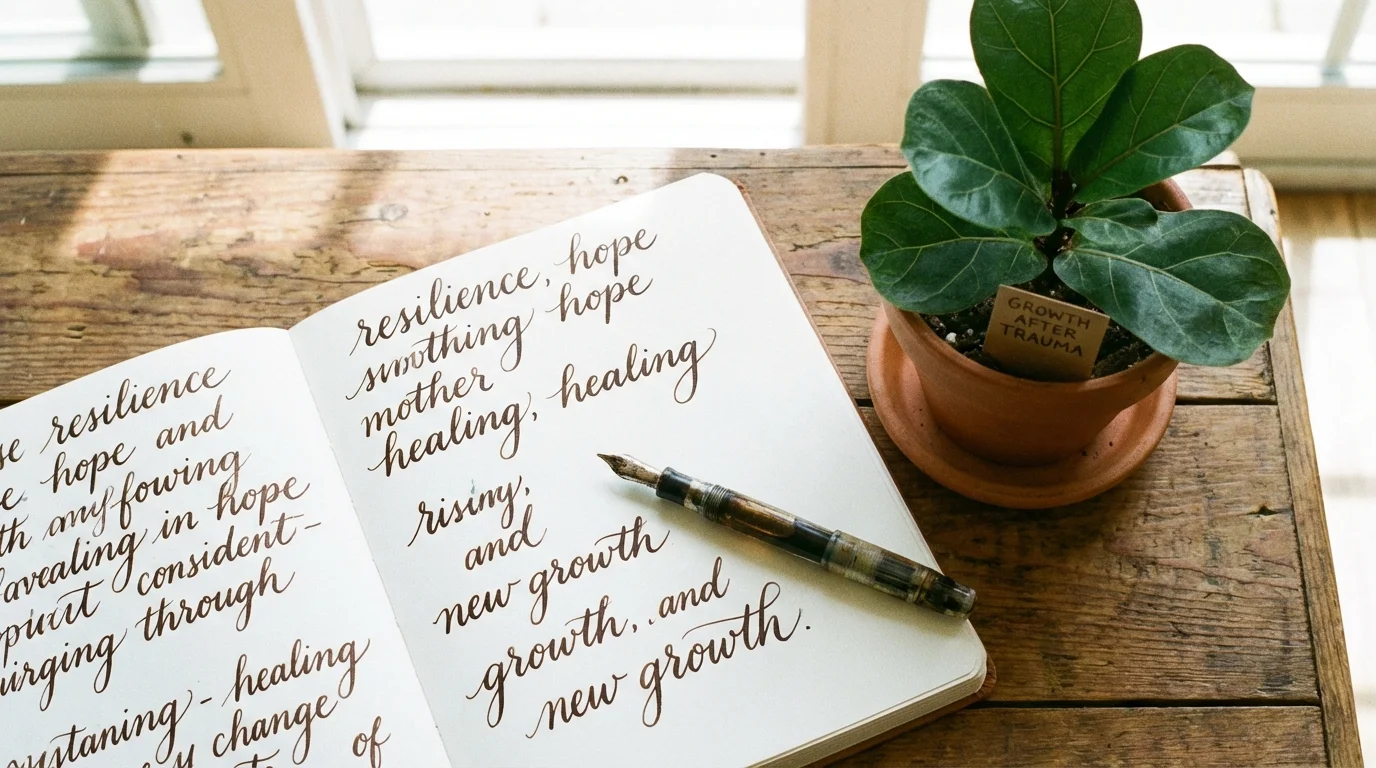
Now that you understand various techniques for healing emotional wounds, the question becomes: how do you actually apply this knowledge in your daily life? The following guidance offers a practical framework for beginning and sustaining your healing journey.

Starting Small and Setting Realistic Expectations
Healing from emotional wounds is not a linear process, and attempting to resolve everything at once often leads to overwhelm and discouragement. Instead, focus on making incremental, manageable changes. Choose one technique that resonates with you — perhaps five minutes of daily journaling or a brief mindfulness for emotional healing practice — and commit to it consistently before adding new elements. See also: Building Resilience After Emotional Setbacks: A Guide.
Setting realistic expectations means understanding that healing takes time. Some days will feel like significant progress, while others may feel like setbacks. Both are normal parts of the journey. What matters is returning to your practices again and again, building momentum through small, consistent actions.
Patience and Persistence in Healing
Healing is a journey, not a destination. It’s not something you “complete” and then move on from; rather, it’s an ongoing process of growth and self-discovery. This perspective can actually be liberating — it removes the pressure of needing to “fix” yourself perfectly and allows for gradual, sustainable progress.
Patience with yourself is essential. Old patterns developed over years won’t dissolve overnight. Be willing to treat yourself with the same patience you would offer a friend learning a new skill. Setbacks don’t mean failure; they’re simply part of the learning process when implementing healing past emotional wounds techniques. If you are navigating the emotional fallout of a separation, understanding the emotional healing stages after divorce can help frame your expectations for persistence.
Recognizing Progress and When to Seek More Help
As you engage in healing practices, pay attention to signs of progress. You might notice increased emotional awareness, better regulation of difficult feelings, improved relationships, or greater self-acceptance. These indicators suggest your efforts are working, even when progress feels slow.
However, it’s also important to recognize when professional help might be beneficial. If you experience persistent symptoms that interfere with daily functioning, such as severe depression, anxiety, or PTSD symptoms, working with a trained therapist can provide additional support and specialized tools. Professional support isn’t a sign of weakness — it’s a smart investment in your well-being Chateau Recovery.
Frequently Asked Questions

How long does it take to heal from emotional wounds?
The timeline for healing emotional wounds varies significantly from person to person, depending on factors such as the nature and duration of the trauma, your support system, and the healing approaches you use. Some people notice improvement within weeks or months, while others may require years of dedicated work. The key is consistency and patience — healing is a process rather than an event, and progress often comes gradually when applying healing past emotional wounds techniques. If you are curious about timelines, you might find reading about how long does it take to heal from divorce helpful for context.
Can I heal past emotional wounds on my own?
While professional support can be invaluable, many healing techniques can be practiced independently, particularly for less severe wounds. Self-help approaches like journaling, mindfulness for emotional healing, self-compassion for emotional wounds practices, and reading educational materials about trauma recovery can all support healing. However, if your symptoms significantly impact your daily life or involve complex trauma, working with a qualified mental health professional is recommended.
What are the signs that I am making progress in healing my emotional wounds?
Progress often shows up in subtle ways: you might notice you’re less reactive to triggers, able to discuss difficult experiences without becoming overwhelmed, or more comfortable setting boundaries. Improved relationships, better sleep, increased self-esteem, and greater emotional regulation are also positive indicators. You may find yourself responding to situations differently than you would have in the past, showing success in overcoming emotional pain.
How can I practice self-compassion when I feel overwhelmed by past trauma?
Start by acknowledging that overwhelm is a valid response to difficult experiences. Then, speak to yourself as you would speak to a dear friend in the same situation — with warmth, understanding, and encouragement. Simple phrases like “This is hard, and I’m doing the best I can” or “I deserve kindness, especially from myself” can help counter harsh self-criticism. Dr. Arielle Schwartz emphasizes setting limits with negative thoughts and repeatedly practicing kind, loving thoughts toward oneself as essential components of self-compassion for emotional wounds Dr. Arielle Schwartz.