How to Handle Different Decor Styles Couples: A Harmonious Guide

How to Handle Different Decor Styles Couples: Creating a Shared Vision
Learning how to handle different decor styles couples face when merging households can feel overwhelming at first. Maybe one of you loves sleek, modern minimalism while the other gravitates toward cozy, traditional pieces filled with history. The good news? These differences don’t have to become battlegrounds. In fact, they can become the foundation for a home that tells a richer, more interesting story than either of you could create alone. For more guidance, see Relationship Maintenance Tips For Couples.

The journey of blending decor styles begins long before you pick out a single throw pillow or debate paint colors. It starts with understanding—both yourself and your partner. When you approach this process as a collaborative adventure rather than a series of forced compromises, you’ll find that your different tastes can complement each other beautifully, leading to successful interior design for couples.
Understanding Your Styles and Setting the Foundation
The initial phase of decorating as a couple is crucial. It requires introspection and deep discussion to establish a shared vision before any purchasing decisions are made.
Identifying Individual Decor Preferences
Before you can merge your styles, you need to understand what those styles actually are. Sometimes we think we know our preferences, but articulating them clearly to another person requires deeper reflection. Start by examining what draws you to certain pieces or aesthetics. Is it the clean lines? The warm colors? The sense of history in vintage items?
Interior designer Cristina Cleveland suggests starting with function—identifying how each person uses the space daily provides the foundation for successful style blending. This approach shifts the conversation from abstract aesthetics to practical needs, which can be easier to discuss without triggering defensive reactions.
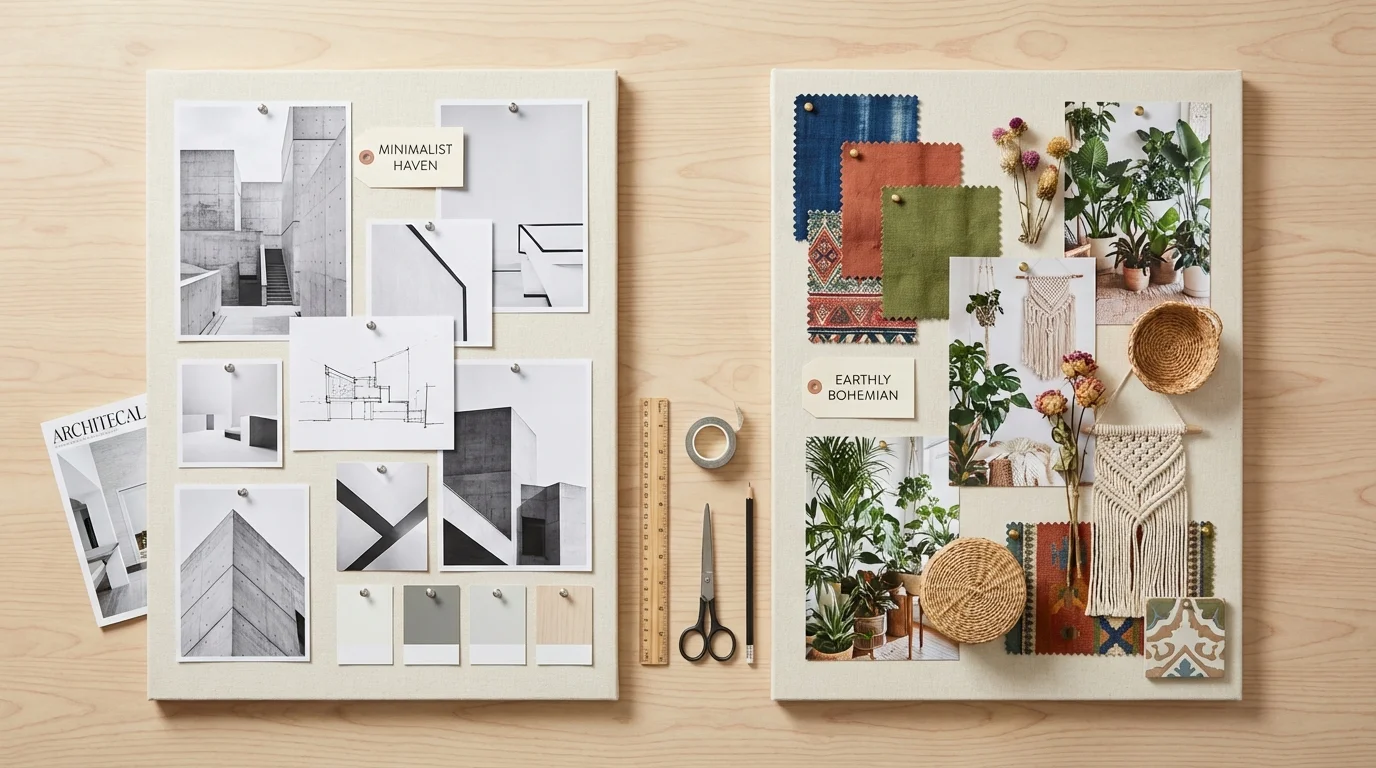
Consider creating individual inspiration boards before sharing them with each other. This gives each partner time to explore their preferences without pressure or judgment. When you do share, look beyond surface-level differences to find the underlying values. One partner might love Scandinavian design for its calm, uncluttered feel, while the other prefers bohemian style for its warmth and expressiveness. Both values—calm and warmth—can coexist in a thoughtfully designed space.
The Importance of Communication and Openness
Open communication serves as the bedrock of any successful decorating project together. This means not just talking about what you want, but truly listening to understand your partner’s perspective. Avoid dismissing their preferences outright, even if their style seems completely opposite to yours.
According to Kristina McGuirk of Better Homes & Gardens, encouraging everyone to get involved initially will go a long way toward making the merging of styles successful. This involvement helps both partners feel invested in the process and outcome, rather than one person feeling like they’re just going along with the other’s vision. Related reading: Communication Reset For Couples.
Set aside dedicated time to discuss your decorating goals without distractions. These conversations work best when both partners feel heard and respected. Ask questions like: What feeling do you want our home to have? What spaces have you visited that made you feel comfortable and happy? What memories do you want to create in this home? If you are finding it hard to communicate effectively about sensitive topics like design, reviewing tips on conversations to strengthen relationship bonds might be beneficial.
Acknowledging Limitations and Non-Negotiables
Every home has constraints—square footage, budget, and the simple reality that you can’t keep every piece of furniture both partners own. Acknowledging these limitations early prevents frustration later. When space is tight, you’ll need to make thoughtful decisions about what stays and what goes.
Equally important is identifying non-negotiables—those items or elements that hold deep significance and cannot be parted with. Maria Adcock, founder of Bicultural Mama, emphasizes that determining non-negotiables helps everyone understand where they are coming from [bhg.com]. Perhaps your partner’s worn leather chair looks dated to you, but it was a gift from a beloved grandparent. Or your collection of travel souvenirs might seem like clutter to them, but each piece holds precious memories.
Having these conversations about meaningful items shows respect and fosters collaboration. It also helps you understand the “why” behind each other’s attachments, which can spark creative solutions for incorporating treasured pieces in ways that enhance rather than detract from your shared home decor. Understanding the emotional weight behind possessions is key to navigating these discussions, especially if you are focused on how to process difficult emotions during stressful transitions.
Strategies for Blending and Compromising Styles
Once you’ve established a foundation of understanding and open communication, you can move into the practical work of combining decorating styles. This phase requires patience, creativity, and a willingness to experiment. Remember that the goal isn’t for one person to “win” or for both to sacrifice equally—it’s to create something new that reflects both of your personalities.

Finding Common Ground and Overlapping Themes
The most successful blended spaces often start by identifying where your styles naturally intersect. These overlapping themes become the threads that tie your different aesthetics together into a cohesive whole. You might discover that you both love natural materials, even if one prefers them in rustic forms and the other in modern interpretations.
Creating shared mood boards or Pinterest boards helps couples visualize preferences and find natural overlap, according to Sarah Jacquelyn Interiors. When you review these boards together, look for recurring elements: similar color tones, repeated materials, or shared appreciation for certain furniture shapes. These commonalities provide a starting point for your unified design direction. You might also like 80/80 Marriage vs. 50/50: Moving Beyond Fairness for Connection.
Don’t be discouraged if common ground seems elusive at first. Sometimes the overlap exists in unexpected places—you might both appreciate vintage photography, even if one displays it in gallery-style groupings and the other prefers a single statement piece. These shared interests can become design features that bridge your partner decor styles.
Creating a Unified Color Palette
Color has remarkable unifying power. A consistent color palette can make even mismatched styles feel intentional and cohesive. Start by selecting a neutral base color that both partners find appealing—think warm whites, soft grays, or muted earth tones. This foundation will appear in your larger furniture pieces, walls, and major textiles.
From there, choose two to three accent colors that complement your base and reflect both partners’ preferences. Perhaps one person loves deep jewel tones while the other prefers softer pastels. You might find a middle ground in rich, muted versions of these colors—think burgundy instead of bright red, or sage instead of pale mint.
Lauren Sieben writing for Synchrony notes that a consistent color story can make even mismatched styles feel intentional. This approach allows both partners to see their preferences reflected in the space without creating visual chaos. The key is repetition—using your chosen colors throughout the space in varying proportions creates rhythm and harmony.
The Art of Compromise: Beyond a 50/50 Split
Many couples fall into the trap of what designers call “compromise decorating”—keeping score of who chose what and aiming for an equal split. This approach often results in disjointed spaces that feel like two different homes awkwardly mashed together. A better strategy focuses on integration rather than equal representation.
Payton Odom writing for Havenly notes that when tastes are opposite, aiming for a 50-50 mix often leads to a fragmented space. Instead, they recommend embracing different styles in an intentional, thoughtful way. Think of your blending decor styles as a new aesthetic that emerges from both of your preferences, rather than a negotiation between opposing forces. Some areas might lean more toward one partner’s style, while others reflect the other’s taste—and that’s perfectly fine. What matters is that the overall home feels cohesive and welcoming to both of you. Balance contrasting elements using design principles like symmetry, repetition, and complementary materials. An industrial coffee table can look stunning alongside a traditional tufted sofa when both pieces share similar proportions or materials. The contrast becomes intentional and interesting rather than jarring.
Integrating Furniture and Decor Pieces
When it comes to actually placing furniture and decor in your shared space, experimentation becomes your greatest tool. Don’t commit to arrangements immediately—live with different configurations for a few days to see how they feel. Sometimes pieces that seem incompatible on paper create surprising harmony when placed together in a room.
Consider the principle of grouping similar items while distributing different styles throughout the space. Clustering all of one partner’s belongings in one area can create a fragmented feeling. Instead, aim for a collected-over-time aesthetic where various styles coexist naturally in each room. Also worth reading: Solo Dating Within Marriage Benefits.
Scale and proportion matter tremendously when mixing styles. A delicate vintage side table might look wrong next to a substantial modern sofa—not because the styles clash, but because the proportions are off. Pay attention to visual weight and aim for balance even when styles differ.
Creating a Harmonious and Personalized Shared Space
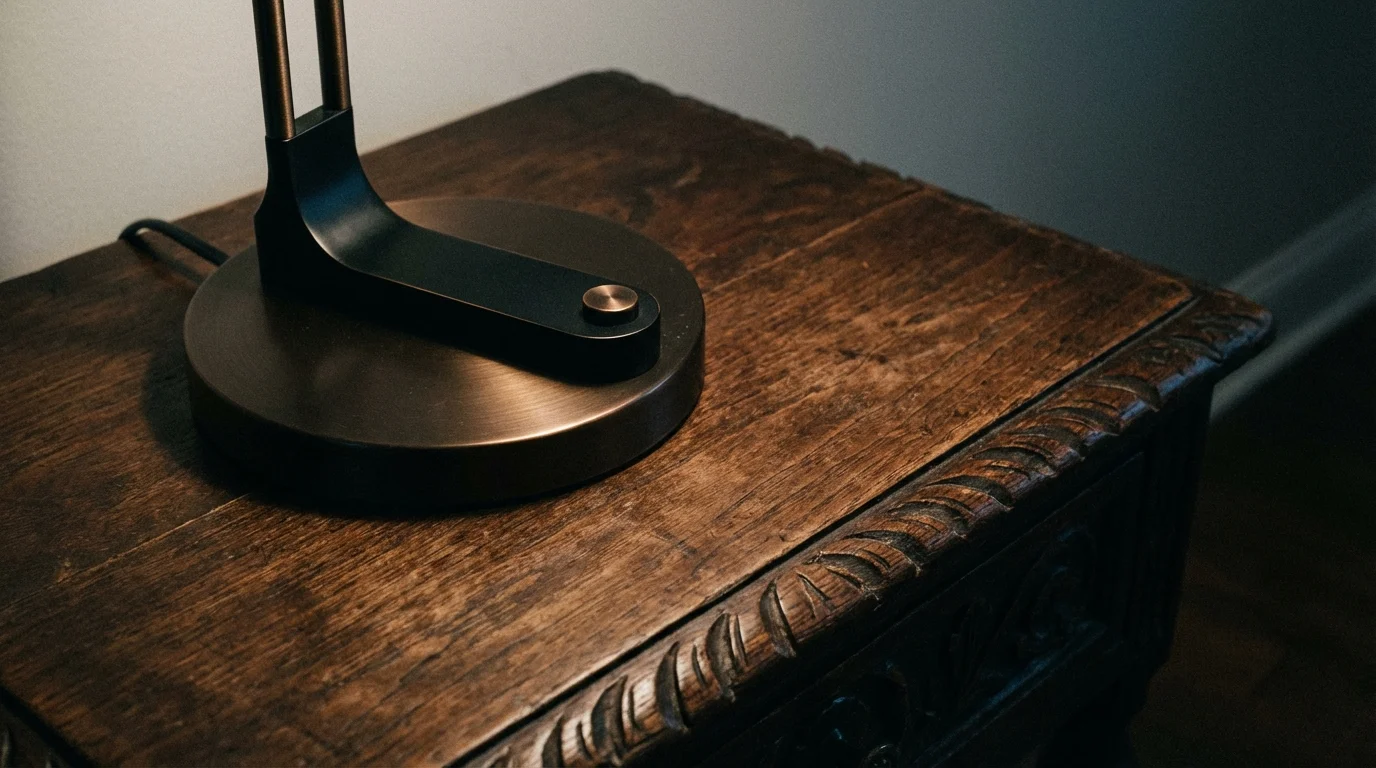
The ultimate goal of how to handle different decor styles couples face isn’t just visual harmony—it’s creating a home that supports your life together and reflects who you are as a couple. This means considering function, preserving individual expression, and knowing when to seek outside help.

Designing for Functionality and Flow
A beautiful home that doesn’t serve your daily needs will ultimately frustrate both partners. Before getting caught up in aesthetics, consider how you actually live. Does one partner work from home and need a dedicated office space? Do you enjoy cooking together and need a kitchen that accommodates two people? Do you entertain frequently or prefer intimate gatherings?
These functional considerations should guide your design decisions. A home that works well for your lifestyle will feel harmonious even when styles mix. Conversely, even the most visually cohesive space will feel wrong if it doesn’t support your daily routines.
Traffic flow matters too. Arrange furniture to create natural pathways through rooms, and ensure that both partners can navigate the space comfortably. Sometimes the best arrangement for flow also happens to create the most pleasing visual balance—a happy coincidence that comes from prioritizing livability.
Making Space for Individual Expression
While creating a unified home is important, both partners need spaces where their individual personalities can shine without compromise in home design. This might mean a home office that reflects one person’s aesthetic, a reading nook that showcases another’s collections, or simply designated shelves or walls for personal treasures.
These individual zones don’t need to match the rest of your home perfectly. In fact, having distinct spaces adds depth and interest to your overall design. The key is creating transitions between these areas so they feel connected rather than disconnected. See also: Conversations To Strengthen Relationship Bonds.
Consider rotating displays of personal items throughout shared spaces too. This allows both partners to see their preferences represented in main living areas without overwhelming the unified aesthetic. Seasonal rotations can keep the space feeling fresh while ensuring both voices are heard. If you are struggling with identity after a major life change, exploring resources on how to rebuild identity after divorce might offer parallel insights into defining personal space.
Decorating with Sentimental Items
Sentimental pieces often pose the biggest challenge when blending decor styles. These items carry emotional weight that makes objective aesthetic decisions difficult. However, they also offer opportunities to create a home with genuine meaning and character.
According to HGTV, moving in with a significant other brings excitement, curiosity, and difficult conversations—but also the ultimate task of blending two different decor styles into a functional, inviting home. Heirlooms and meaningful items deserve special consideration in this process.
Get creative with how you display sentimental pieces. A family quilt that doesn’t match your color scheme might work beautifully in a guest room. A collection of inherited figurines could find a home on floating shelves in a hallway. Sometimes reframing or repurposing sentimental items helps them integrate more seamlessly into your shared aesthetic.
When to Seek Professional Help
Sometimes couples reach an impasse that no amount of discussion can resolve. Other times, the scope of the project feels overwhelming, or you simply want an outside perspective to help translate your combined vision into reality. These are all valid reasons to consult an interior designer.
Professional designers bring experience in blending disparate styles and can often see solutions that couples too close to the situation might miss. They can also serve as neutral mediators when disagreements arise, helping both partners feel heard while moving toward practical solutions.
The investment in professional help often pays off in saved time, reduced stress, and ultimately a more cohesive result. Many designers offer consultation services at various price points, from one-time style assessments to full-service design management. If you are considering a major life change alongside redecorating, remember that professional support is available for many aspects of transition, including co-parenting after divorce advice or financial planning.
Frequently Asked Questions About Decorating as a Couple
How can couples with very different decor styles create a cohesive home?
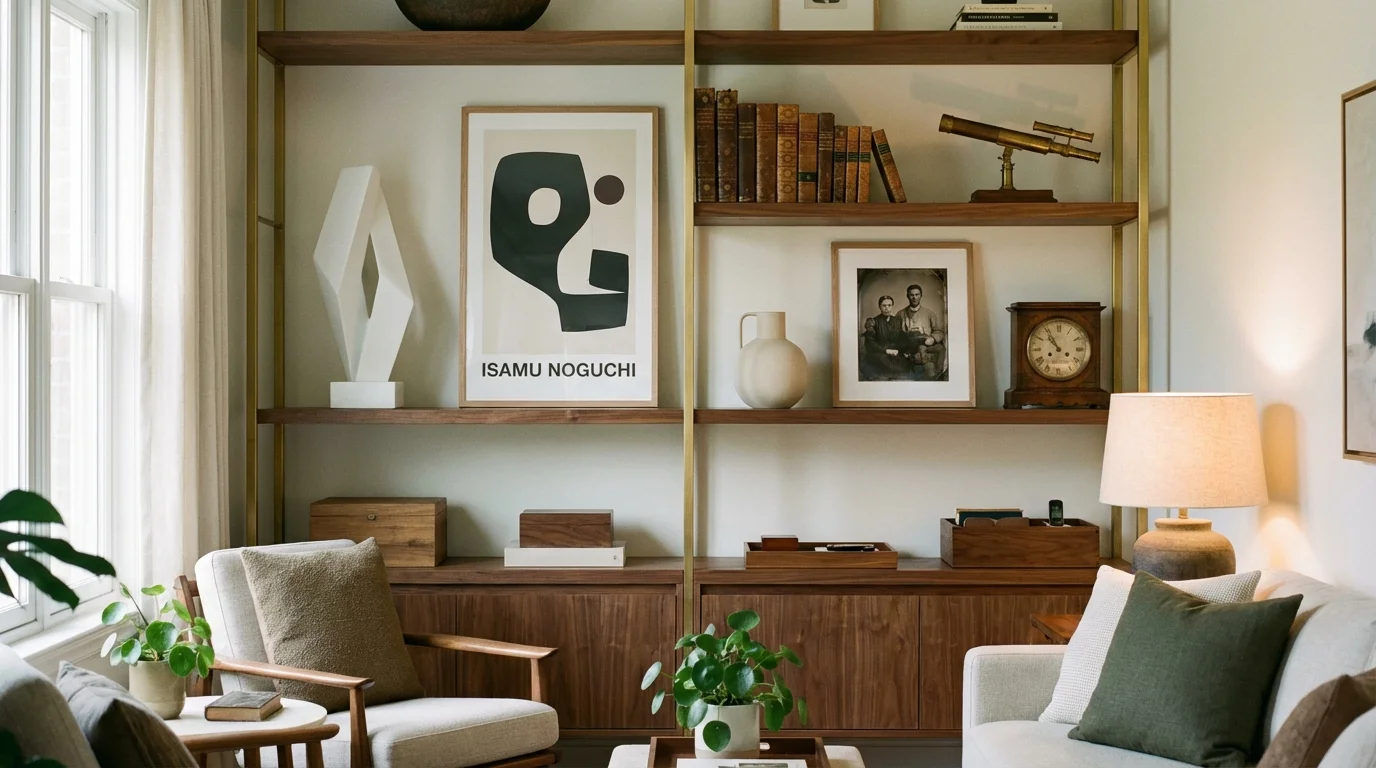
Start by identifying common ground—elements, colors, or values that both partners appreciate. Create a neutral foundation with consistent colors and materials, then layer in both partners’ preferences through accessories and accent pieces. Focus on creating a new, shared aesthetic rather than trying to equally represent both original styles. Remember that contrast can be beautiful when intentional.
What is the best way to compromise on home decor choices?
Effective compromise in home design goes beyond simply splitting decisions evenly. Instead, focus on finding solutions that genuinely satisfy both partners—what designers call “integrative” rather than “distributive” compromise. This might mean selecting pieces that blend elements of both styles, or allowing different rooms to lean toward different aesthetics while maintaining overall cohesion through color and materials.
How do you decide whose furniture to keep when moving in together?
Begin by honestly assessing what fits your shared space both physically and aesthetically. Identify duplicates and keep the better-quality or more beloved pieces. Discuss the story behind meaningful items—understanding why something matters often leads to creative solutions for keeping it. Be willing to let go of pieces that neither of you truly loves, and consider that some items might work better in different rooms than originally planned. If you are finding it hard to let go of items due to emotional attachment, exploring journal prompts for emotional release might help process those feelings.
What role does communication play in blending decor styles?
Communication is the foundation of successfully merging different styles. Open, respectful dialogue helps both partners feel heard and invested in the outcome. Discuss not just what you like, but why—understanding the values and feelings behind preferences often reveals surprising commonalities. Regular check-ins throughout the process prevent resentment from building and ensure both partners remain satisfied with the direction. For ongoing support in this area, looking into available co-parenting communication tools can offer transferable skills for relationship maintenance.
StoneGable Blog notes that mixing decorating styles is actually a good thing—it adds interest, depth, and your personal story to your home. Embracing this perspective transforms the challenge of different styles into an opportunity for creating something uniquely yours together.