How to Practice Solo Dating Within Marriage for a Stronger Connection

Understanding Solo Dating Within Marriage
Marriage often invites a beautiful merging of lives, but somewhere along the way, many couples discover they’ve lost pieces of themselves in the “we.” Learning how to practice solo dating within marriage offers a pathway back to yourself—without stepping away from your commitment to your partner. This intentional practice of spending quality time alone isn’t about escaping your relationship. Instead, it’s about nurturing the individual who exists alongside the spouse. For more guidance, see Solo Dating Within Marriage Benefits.

Defining Solo Dating in a Marital Context
Solo dating within marriage means intentionally carving out time to engage in activities you enjoy—completely on your own terms. It’s treating yourself with the same thoughtfulness and planning you might once have reserved for romantic outings with your partner. As Dr. Chris Mosunic, PhD, explains, “Dating yourself doesn’t mean rejecting all social plans or pretending you don’t need anyone. It’s about intentionally deepening your relationship with the one person you spend your entire life with — you” Calm.
This practice involves planning experiences that reflect your interests, mood, and curiosity rather than waiting for someone else to make them happen. A solo date could be as simple as visiting a museum exhibit your partner wouldn’t enjoy, trying a new restaurant solo, or spending an afternoon at a bookstore without checking your phone for messages. Essentially, dating yourself in a relationship is about adding self-connection to your life, not taking anything away Calm.
The ‘Why’ Behind Solo Dating in Marriage
The benefits of solo dating extend far beyond simple enjoyment. When you prioritize time alone, you create space for self-discovery and personal growth that can actually strengthen your marriage. One significant reason couples experience relationship burnout is a lack of breathing space—being constantly together without any time for individual time in marriage.
Solo dates in marriage allow you to reconnect with interests you may have set aside during different life stages, whether that’s becoming a parent, focusing on your career, or simply settling into the rhythms of married life. It helps you rediscover what brings you joy beyond daily tasks and responsibilities. This renewed sense of self brings fresh energy back to your relationship, making you a more fulfilled partner and contributing to strengthening marriage through solo activities.
Distinguishing Solo Dating from Traditional Dates
It’s important to clarify what solo dating is—and what it isn’t. Solo dating has nothing to do with seeking romantic connections outside your marriage. It’s not about infidelity or looking elsewhere for fulfillment. Instead, it’s about cultivating a deeper relationship with yourself, which paradoxically can make you more present and engaged in your marriage.
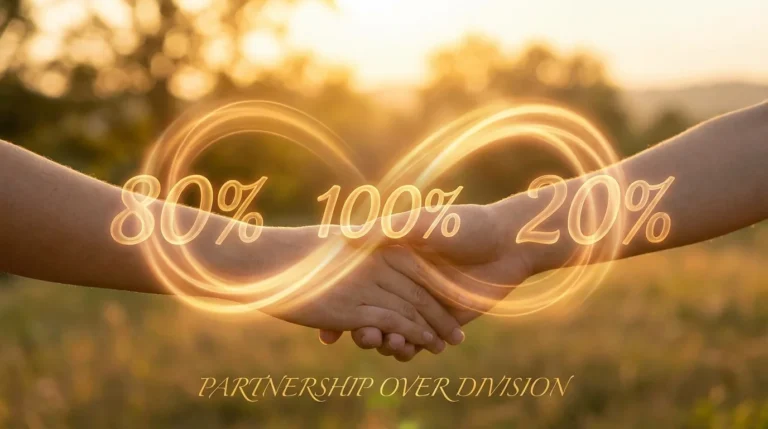
Solo dates also differ from the typical “me time” that might involve running errands alone or scrolling through social media in another room. A true solo date involves conscious time spent in your own presence—not rushing, not escaping, and not filling every moment with distraction. It’s about intentionally spending time alone in ways that feel enjoyable and nourishing Calm. It’s an intentional, planned experience designed to nourish your spirit and reconnect you with your authentic self. Related reading: 80/80 Marriage vs. 50/50: Moving Beyond Fairness for Connection.
Practical Steps to Solo Dating in Marriage
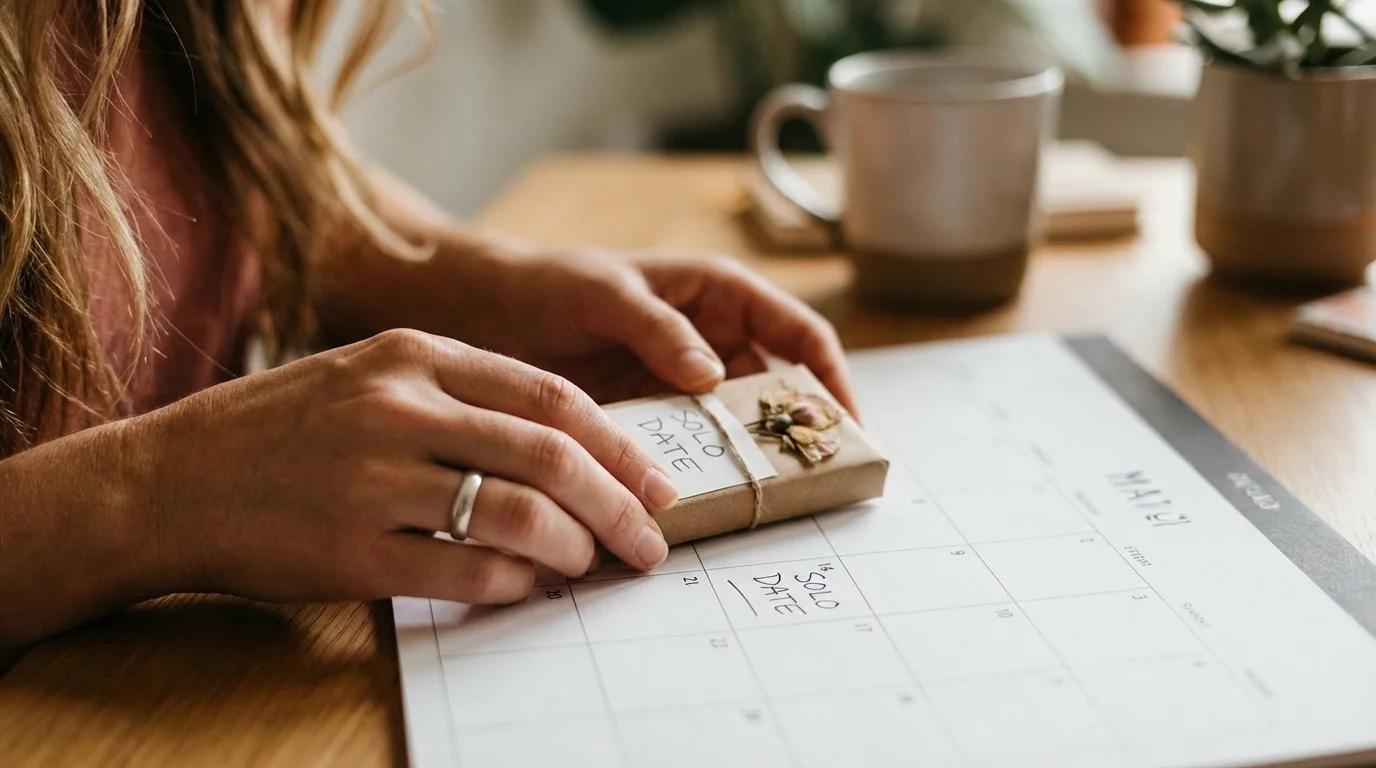
Ready to begin your solo dating journey? The process doesn’t have to be complicated, but it does require intentionality and commitment. Here’s how to get started in a way that feels natural and sustainable within your married life.

Identifying Your Interests and Desires
The first step involves reconnecting with what genuinely lights you up. After years of making joint decisions and compromising with a partner, many married people struggle to identify their own preferences. Ask yourself: What activities did I once love but have abandoned? What have I always wanted to try but never made time for? What would I do if I had a completely free afternoon with no obligations?
Consider activities across different categories—creative pursuits like painting or writing, physical activities like hiking or yoga, intellectual interests like visiting libraries or attending lectures, or simple pleasures like enjoying a quiet coffee at your favorite café. The key is identifying what resonates with you, not what would make a good Instagram post or what your partner might enjoy. This is the foundation of self-care in marriage: knowing what you need. If you are struggling to identify what truly matters to you, exploring questions to discover your values can be a helpful starting point.
Planning Your Solo Dates
Treat your solo dates with the same importance you would any other significant appointment. Schedule them in your calendar and protect that time. One married woman who practices solo dating emphasizes that both she and her husband have established clear boundaries around their dedicated time together and apart, making solo dates a non-negotiable part of their routine I Am Brown Style. As experts suggest, you should commit to these dates and stop flaking on yourself, building personal trust jaumo.com.
Start small if needed. A solo date doesn’t have to be an all-day affair. Begin with two-hour windows and gradually expand as you become more comfortable with the practice. Plan specific activities rather than leaving the time unplanned—this prevents the date from devolving into household chores or mindless scrolling.
Communicating with Your Spouse
Open communication is essential when introducing solo dating into your marriage. Frame the conversation around your personal growth and the benefits to your relationship rather than any perceived shortcomings in your marriage. You might say something like, “I’ve been thinking about how I can be a better partner, and I realize I need some time to reconnect with my own interests. I’d love to try scheduling some solo dates.” You might also like What is Parallel Intimacy in Marriage? Being Alone Together.
Be clear about what solo dating means and address any concerns your spouse might have. Some partners may initially feel rejected or worry that you’re unhappy in the relationship. Reassure them that this practice is about self-enrichment, not escape. Consider starting with shorter solo dates and gradually increasing their frequency as both you and your spouse become more comfortable with the arrangement. Discussing how to build emotional safety in relationships can provide a framework for these sensitive discussions.
Overcoming Common Challenges
Guilt often surfaces when married individuals take time for themselves, especially parents who already feel stretched thin. Remember that self-care isn’t selfish—it’s necessary for sustainable relationships. When you’re fulfilled and energized, you bring your best self to your marriage and family.
Time management presents another hurdle. Between work, family obligations, and household responsibilities, finding hours for solo activities can feel impossible. Look for creative solutions: wake up an hour earlier once a week for a solo morning routine, use lunch breaks for mini solo dates, or trade childcare blocks with your partner so each of you gets dedicated alone time.
Some spouses may feel insecure about solo dating, particularly if they interpret it as a sign of relationship trouble. Address these feelings directly with reassurance and by demonstrating how your solo time benefits the relationship. After your solo dates, share positive experiences with your partner—this reinforces that your time apart enriches your time together.
The Impact of Solo Dating on Marital Relationships

Solo dating does more than benefit the individual—it creates ripple effects that can transform your marriage in profound ways. Understanding these impacts helps justify the practice and motivates consistent commitment to solo time.

Rekindling Romance and Intimacy
Counterintuitively, spending time apart can reignite the spark in your marriage. When you have your own experiences, interests, and stories to share, you bring fresh energy into conversations with your partner. You become more interesting because you’re continuing to grow and evolve as an individual. Also worth reading: The 80/80 Marriage Model Explained: Beyond 50/50 Fairness.
The absence created by solo dates also builds anticipation for reconnection. After time apart, couples often report feeling more excited to see each other and more appreciative of their shared time. This dynamic mimics the early dating phase when time apart created longing and made reunions feel special. Learning about the benefits of solo dating within marriage can highlight these romantic returns.
Fostering Individual Identity and Autonomy
Healthy marriages require two whole individuals, not two halves trying to complete each other. Solo dating strengthens your sense of self, helping you maintain clear boundaries, preferences, and pursuits separate from your partner. This autonomy actually creates a stronger foundation for intimacy because you’re choosing your relationship from a place of fullness rather than neediness.
Maintaining individual identity also models healthy behavior for children, demonstrating that personal growth and self-care remain important even within committed relationships. Children who see their parents valuing themselves are more likely to develop healthy relationship patterns themselves. If you are finding your sense of self diminished, exploring how to rebuild identity after divorce concepts can still apply to rebuilding identity within a marriage.
Solo Dating in Ethical Non-Monogamy (ENM) Contexts
For couples practicing ethical non-monogamy solo dating, solo dating takes on additional dimensions. Within ENM frameworks, solo dating can mean engaging in romantic or social activities with other partners—or it can mean precisely what this article describes: intentional time spent alone for self-connection.
The key distinction is that solo dating as self-care practice remains focused on your relationship with yourself, regardless of your relationship structure. The autonomy and self-connection cultivated through solo dating can actually support healthy ENM relationships by ensuring individuals maintain strong individual foundations. This focus on self-connection is a core component of redefining yourself after marriage ends, regardless of relationship structure The Monogamy Experiment.
Long-Term Benefits for the Couple
Couples who maintain individual pursuits alongside their shared life often report higher relationship satisfaction over time. They avoid the codependency trap where one partner becomes the sole source of the other’s entertainment, emotional support, and fulfillment. This creates more resilient relationships that can weather challenges because each partner has internal resources to draw upon.
Solo dating also provides a built-in mechanism for relationship maintenance. Regular time apart prevents the gradual erosion of individual identity that can occur in long-term marriages. Partners who continue growing individually bring that growth back to their relationship, keeping it dynamic rather than stagnant. This practice requires effort, much like any skill, but the rewards for the couple are substantial Beyond the Pineapple. See also: Relationship Maintenance Tips For Couples.
Integrating Solo Time for Personal Well-being

Beyond its impact on marriage, solo dating serves as a powerful practice for personal well-being. The relationship you have with yourself sets the tone for every other relationship in your life.

Solo Activities for Self-Care and Reflection
Effective solo dates often center on activities that promote relaxation, creativity, and introspection. Consider journaling sessions at a favorite café, solo nature walks, creative workshops, meditation retreats, or simply spending an afternoon reading without interruption. One therapist notes that “a solo date is really a moment of conscious time spent in your own presence—not rushing, not escaping, not filling every moment with distraction” KM Therapy.
Choose activities that feel nourishing rather than depleting. The goal isn’t productivity or achievement—it’s presence and self-connection. As one source suggests, dating yourself is about intentionally spending time alone in ways that feel enjoyable and nourishing Calm. For deeper reflection, using journal prompts for self awareness can maximize this quiet time.
The Freedom of Solo Experiences
There’s a unique liberation in engaging in activities entirely on your own terms. Without compromise or consideration for another person’s preferences, you can move at your own pace, change plans spontaneously, and fully immerse yourself in experiences. Solo dates eliminate the performance anxiety that sometimes accompanies social outings—you don’t need to entertain anyone or manage anyone else’s experience Vogue India.
This freedom can feel uncomfortable initially, especially for those accustomed to constant companionship. But with practice, solo experiences become treasured opportunities for authentic self-expression and exploration. Learning how to find your true self is often accelerated when you remove external influences.
Building a Stronger Relationship with Yourself
Ultimately, how to practice solo dating within marriage reinforces a fundamental truth: the most important relationship you’ll ever have is with yourself. By investing in this relationship, you become a more grounded, fulfilled, and present partner. You model self-respect and self-care for those around you. And you ensure that your marriage is built on a foundation of two whole individuals choosing each other daily, rather than two incomplete people trying to complete each other.
Frequently Asked Questions

Is practicing solo dating within marriage considered cheating?
No, solo dating within marriage is not cheating. Cheating involves romantic or sexual involvement with another person outside your agreed relationship boundaries. Solo dating is about spending intentional time alone with yourself—engaging in activities you enjoy, pursuing personal interests, and nurturing your relationship with yourself. It’s a form of self-care in marriage that actually strengthens your capacity to be a better partner by ensuring you remain connected to your own identity and needs.
How can I communicate my desire for solo dating to my spouse without causing insecurity?
Approach the conversation with reassurance and clarity. Frame solo dating as a practice that benefits both you and the relationship, not as an escape from the marriage. Use “I” statements about your needs for personal growth and self-connection. Be specific about what solo dating means—time alone for self-enrichment, not time with others. Invite your spouse to ask questions and share any concerns. Consider starting with short, regular solo dates and gradually expanding as comfort grows.
What are some ideas for solo dates that can be enjoyed by married individuals?
Solo date possibilities are nearly endless. Consider visiting museums or art galleries, trying new restaurants or cafés, taking yourself to a movie, going for nature walks or hikes, attending workshops or classes, browsing bookstores, enjoying spa treatments, exploring new neighborhoods, visiting farmers markets, or simply spending quiet time journaling in a park. Choose activities that genuinely interest you and allow for presence and enjoyment rather than rushing.
Can solo dating help improve intimacy in a marriage?
Yes, solo dating can significantly improve marital intimacy. Time apart creates anticipation for reconnection, making shared time feel more precious. Solo dating also helps individuals maintain their own identity, which prevents the relationship from becoming stale or codependent. When you’re fulfilled as an individual, you bring more energy and presence to your intimate connections. Additionally, solo experiences give you fresh perspectives and stories to share with your partner, enriching your conversations and emotional bond.