How to Reconnect With Yourself: A Guide to Self-Discovery

Understanding Disconnection: Signs You’ve Lost Touch With Yourself

Learning how to reconnect with yourself begins with recognizing that you’ve drifted away in the first place. This realization often arrives quietly—not as a dramatic crisis, but as a subtle sense that something feels off. You might catch yourself going through the motions of daily life without truly feeling present, or notice that the activities and relationships that once brought you joy now feel hollow. If you feel blank or hollow, it might be your inner self whispering that it’s time to come back wellsoulmudrika.com. For more guidance, see Finding Yourself After Divorce.

This disconnection doesn’t happen overnight. According to Debra Smouse, disconnection from oneself often happens gradually, not dramatically, through years of prioritizing others’ needs over one’s own desires debrasmouse.com. You’ve been running the show for everyone else—kids, work, partner, friends, and the endless responsibilities that somehow keep multiplying. Somewhere along the way, you stopped asking yourself what you actually want.
Why We Drift Away From Ourselves
Understanding the root causes of disconnection helps you approach the journey back with compassion rather than self-criticism. Several factors contribute to this gradual drift from your authentic self.
Burnout and chronic stress deplete your emotional reserves, leaving little energy for self-reflection or meaningful activities. When you’re constantly in survival mode, checking in with your inner voice feels like an impossible luxury.
Social media overload creates a constant stream of comparison and external validation-seeking. You may find yourself measuring your worth against curated highlight reels of others’ lives, gradually losing touch with your own values and desires.
Major life transitions—whether a career change, relationship shift, or becoming a parent—can shake your sense of identity. As you adapt to new roles and responsibilities, the person you once were can feel like a distant memory. If you are navigating a major transition like divorce, learning about building new identity after divorce can be helpful.
Isolation and loneliness sever the connections that help us understand ourselves. Paradoxically, when you feel disconnected from others, you often lose the mirror they provide for self-understanding. According to Lightfully Behavioral Health, common causes of losing connection with yourself include loneliness and isolation, social media overload, changing life seasons, burnout, and lack of purpose.
Lack of purpose leaves you drifting without an internal compass. Without clear values or meaningful goals, it’s easy to get swept along by others’ expectations and societal pressures. Exploring how to find your life purpose can provide direction.
Common Signs of Disconnection
Recognizing the signs of disconnection is the first step toward reconnection. These indicators often appear across emotional, mental, and physical dimensions of your life.
Emotional numbness or emptiness signals that you’ve become detached from your feelings. You might notice that experiences that should evoke strong emotions—joy, sadness, excitement—barely register. This emotional numbness is a key indicator that you need to learn how to reconnect with yourself wellsoulmudrika.com.
Constant distraction and avoidance of silence suggests discomfort with your own thoughts. If you immediately reach for your phone or fill every quiet moment with noise, you may be avoiding an inner world that feels unfamiliar or unsettling. Related reading: Signs You Are Losing Yourself.
Negative self-talk and harsh inner criticism replace self-compassion with judgment. Your inner voice becomes a critic rather than an ally, constantly second-guessing your decisions and worth.
Seeking constant external validation indicates a loss of trust in your own judgment. You may find yourself unable to make decisions without others’ approval or constantly checking whether your choices are “right.”
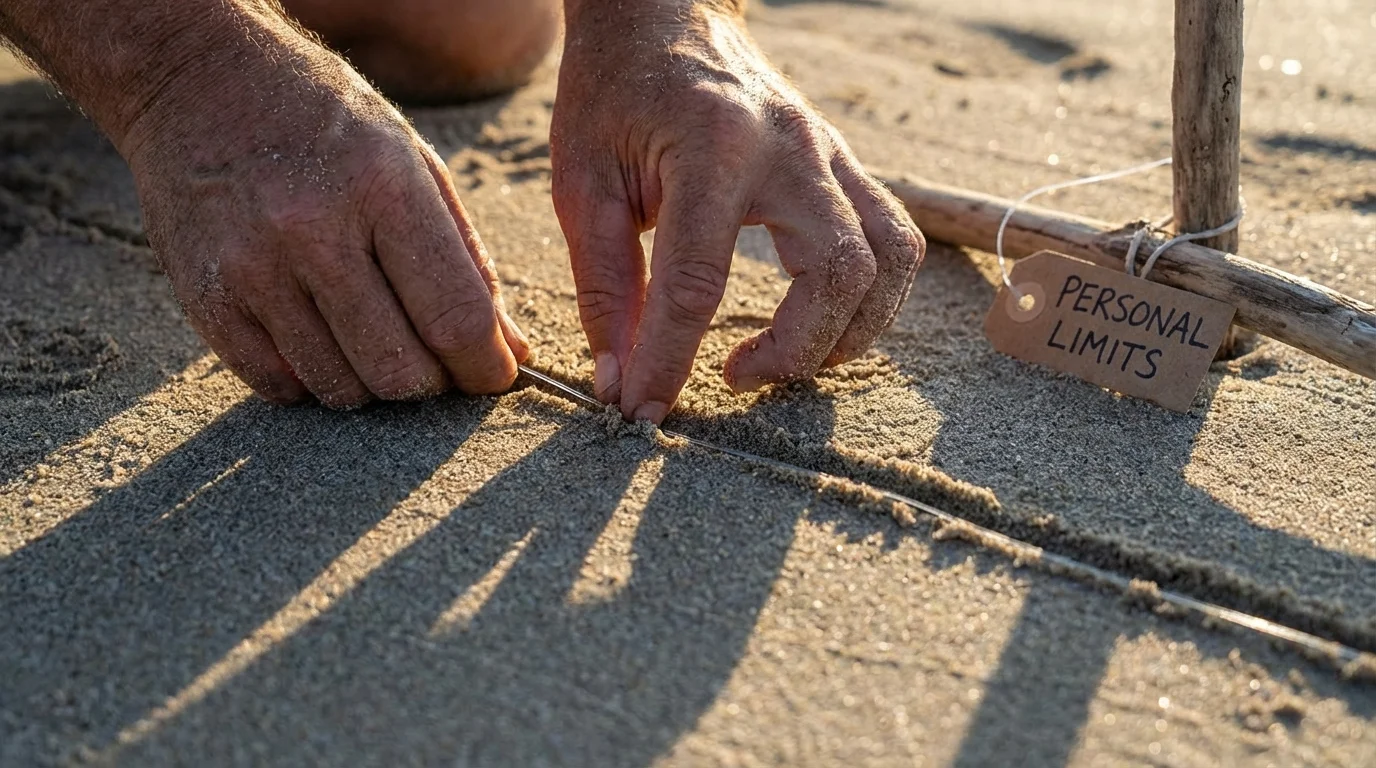
Difficulty setting and maintaining boundaries shows a disconnection from your own needs and limits. Saying “yes” when you mean “no” becomes automatic, eroding your sense of agency and self-respect.
Loss of interest in activities you once loved suggests your connection to your passions has faded. Hobbies, creative pursuits, and relationships that once sparked joy now feel like obligations or nothing at all. Discovering finding passions after divorce can reignite this area of life.
The Journey Back: Practical Strategies to Reconnect With Yourself

Reconnecting with yourself isn’t a single event—it’s a process of returning home to who you truly are. The journey requires intentional effort, but it doesn’t demand dramatic life overhauls. Small, consistent practices create meaningful shifts over time, leading to greater emotional well-being.

Creating Space for Self-Discovery
The foundation of reconnection is creating intentional space to hear your inner voice. In our always-on culture, simply pausing can feel revolutionary.
Schedule genuine “me time”—not time for chores or obligations, but time for simply being. This might mean waking up 15 minutes earlier to sit quietly with your thoughts, taking a solo walk during lunch, or blocking off an hour on weekends for unstructured reflection. The goal is to create moments when your mind can quiet enough for your true self to emerge.
Minimize distractions during these sacred moments. Put your phone in another room. Close the laptop. Turn off the podcast. The discomfort of silence is temporary, and it often gives way to clarity and insight.
Create physical spaces that support introspection. A comfortable chair by a window, a corner of your bedroom with meaningful objects, or a favorite spot in nature can become anchors for self-connection. These spaces signal to your brain that it’s time to turn inward.
According to Verywell Mind, understanding emotional detachment and its impact on mental health is essential for recognizing when you need to take intentional steps toward reconnection verywellmind.com. Creating space allows you to notice these patterns and begin shifting them. You might also like Steps To Discover Your Life Purpose.
Cultivating Mindfulness and Self-Awareness
Mindfulness practices help you develop the awareness necessary for authentic self-connection. These tools train you to observe your thoughts and feelings without judgment, creating space between stimulus and response.
Meditation offers a structured approach to mindfulness. Even five minutes daily of focused breathing or guided meditation can strengthen your ability to observe your inner world. If practicing feels impossible due to overwhelm, remember you can return to your inner calm anytime you notice you’re lost in the scroll or numbness mindful.org.
Journaling creates a dialogue with yourself. Try prompts like: “What do I actually want right now?” “What lights me up?” “What exhausts me?” “What am I protecting?” These questions help uncover desires and values you may have buried or forgotten. Exploring journal prompts for self discovery can kickstart this process.
According to Trust and Bloom, journaling, increasing self-awareness through mindfulness, and acknowledging your achievements are among the most effective self-care practices for reconnecting with your true self trustandbloom.co.uk.
Body scanning connects you with physical sensations that often reflect emotional truths. Starting at your head and moving down to your toes, notice areas of tension, ease, or discomfort. Your body often holds wisdom your mind hasn’t yet articulated.
Noticing patterns in your reactions and behaviors builds self-awareness over time. Pay attention to what triggers strong emotions, what situations drain or energize you, and what choices leave you feeling aligned or misaligned with your values. Understanding your values is key, and reviewing questions to discover your values can be illuminating.
Reigniting Your Passions and Values
Rediscovering what matters to you is essential for living authentically. Your passions and values serve as your internal compass, guiding decisions and providing a sense of purpose, which is crucial when you feel a lack of purpose lightfully.com. These are key ways to find yourself.
Explore activities without pressure. Take a class, try a new hobby, visit a museum, or revisit something you loved as a child. The goal isn’t mastery but curiosity—what sparks interest? What feels alive?
Identify your core values by examining moments when you felt most yourself. What was happening? Who were you with? What values were being honored? Common values include creativity, connection, autonomy, growth, and contribution.
Notice what you admire in others—these often reflect values you hold but haven’t fully expressed. If you admire someone’s courage, creativity, or compassion, these qualities likely matter to you.
Create a vision for your life that reflects your authentic self desires rather than external expectations. This doesn’t require a detailed five-year plan; it might simply be a sense of direction or qualities you want to cultivate. Learning how to build self confidence supports this vision-setting. Also worth reading: How To Find Your True Self.
Nurturing Your Inner World
Your relationship with yourself forms the foundation for all other relationships and life experiences. Nurturing this relationship requires consistent care and attention through dedicated self-care practices.
Practice positive self-talk by challenging your inner critic. When you notice harsh self-judgment, pause and ask: “Would I say this to a friend? Is this thought accurate and helpful?” Gradually replace criticism with curiosity and compassion.
Set and honor boundaries that protect your energy and reflect your values. Start small—perhaps declining an invitation that doesn’t align with your needs or asking for help when overwhelmed. Each boundary you set strengthens your connection to your own needs.
Develop self-care rituals that nourish your physical, emotional, and spiritual well-being. This might include regular exercise, creative expression, time in nature, or practices like gratitude journaling. Physical activity is an amazing way to bring your attention back to your body when you feel dissociated possibilitychange.com.
Acknowledge your achievements rather than immediately moving to the next goal. Recognizing your accomplishments builds self-trust and reinforces your sense of capability and worth.
Finding yourself means reconnecting with your feelings, values, and true essence—discovering what lights you up, what exhausts you, what you need, and what you want to protect. This isn’t a one-time fix but an ongoing practice of tending to your inner world.
Maintaining Your Connection: Living Authentically
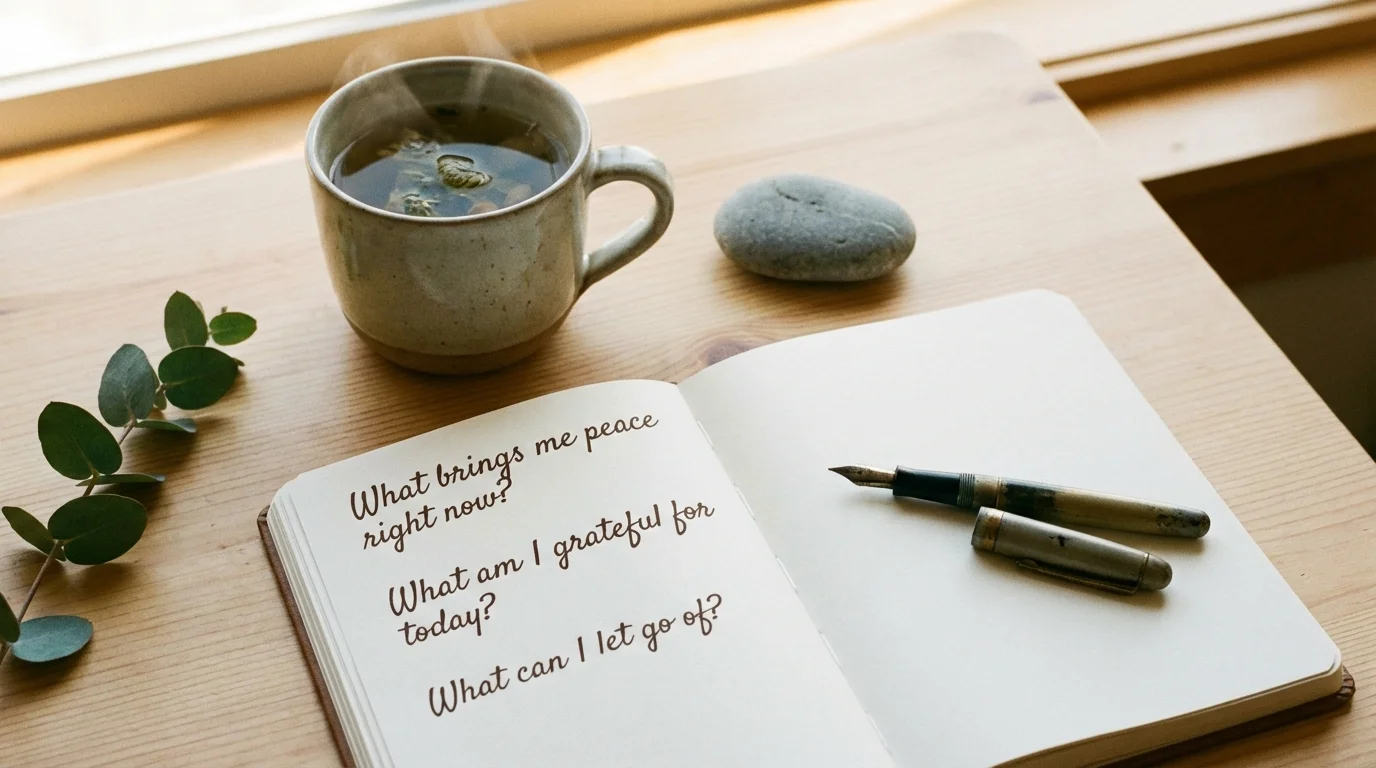
Reconnecting with yourself isn’t a destination you reach once and never revisit. It’s an ongoing practice of returning to your center, especially when life pulls you away. This commitment is vital for long-term emotional well-being.

The Ongoing Practice of Self-Connection
Self-love is not a finish line you cross once and never revisit—it requires ongoing check-ins with yourself as life changes. The practices that support your connection will evolve as you do.
Schedule regular check-ins with yourself. This might be a weekly review of how you spent your time and energy, a monthly reflection on your goals and values, or a yearly ritual of envisioning your future.
Notice when you’re drifting. The signs of disconnection you’ve learned to recognize serve as early warning signals. When you notice them emerging, pause and ask what needs attention. See also: Questions To Understand Your Values.
Make choices aligned with your authentic self. Each decision is an opportunity to honor your values or abandon them. Start with small choices—what to eat, how to spend an evening—and build toward larger life decisions.
Building a Supportive Environment
Your environment significantly influences your ability to maintain self-connection. Surrounding yourself with people and commitments that support your self-discovery makes the journey easier.
Cultivate relationships with people who encourage your growth. These are people who listen without judgment, celebrate your authenticity, and challenge you when you’re playing small.
Limit exposure to influences that undermine your connection. This might mean setting boundaries with certain relationships, curating your social media feeds, or reducing time in environments that drain you.
According to the Energetics Institute, recognizing signs of disconnection in relationships helps you understand when extra effort is needed to rebuild closeness energeticsinstitute.com.au. The same principle applies to your relationship with yourself—awareness is the first step toward reconnection.
Create daily rituals that reinforce your connection. Morning pages, evening gratitude practices, or regular walks in nature can serve as touchstones that bring you back to yourself.
When to Seek Professional Help
Sometimes the journey of reconnection benefits from professional support. Therapists and counselors can provide tools, insights, and accountability for deep self-discovery work.
Consider therapy if you’re struggling with persistent depression or anxiety, trauma that feels overwhelming, patterns you can’t seem to change on your own, or simply a desire for deeper self-understanding.
Therapy provides a safe space to explore your inner world without judgment. A skilled therapist can help you uncover the roots of disconnection and develop personalized strategies for how to reconnect with yourself.
According to Dr. Wendy Boring-Bray, DBH, LPCC, relationships go through stages where you feel really connected for a period and then not as connected for another period; it’s during the disconnect when it takes extra effort to reconnect regain.us. This applies to your relationship with yourself as well—disconnect doesn’t mean something is fundamentally wrong; it means attention and care are needed.
Frequently Asked Questions
What are the most common signs that I’m disconnected from myself?
The most common signs include emotional numbness or emptiness, constant distraction and avoidance of silence, negative self-talk, seeking external validation for decisions, difficulty setting boundaries, and loss of interest in activities you once enjoyed. You might also notice low motivation, feeling out of control, or a sense that you’re observing your life rather than fully living it. These signs of disconnection often develop gradually through years of prioritizing others’ needs, making them easy to dismiss until they significantly impact your quality of life.
How much time should I dedicate to reconnecting with myself each day or week?
Start with small, consistent moments rather than large blocks of time. Even 10-15 minutes daily of quiet reflection, journaling, or mindfulness practice can create meaningful shifts over time. Consider scheduling longer periods weekly—perhaps an hour on weekends for deeper introspection or activities that bring you joy. The key is consistency and intention rather than duration, as part of learning how to reconnect with yourself is prioritizing these moments.
Can social media contribute to feeling disconnected from myself, and how can I mitigate that?
Yes, social media can significantly contribute to disconnection by encouraging constant comparison, external validation-seeking, and distraction from your inner world. To mitigate these effects, set specific limits on your usage, curate your feed to include content that aligns with your values, and create phone-free periods during your day. Consider a social media detox for a few days to notice how it affects your sense of self. Replace scrolling time with activities that foster genuine self-connection and self-care practices, such as journaling, walking, or creative pursuits.
Is it possible to reconnect with myself after a major life change or trauma?
Absolutely. Major life changes and trauma can shake your sense of self, but reconnection is always possible. In fact, these experiences often become catalysts for deeper self-discovery. The process may require patience and gentleness with yourself, and working with a therapist who specializes in trauma or life transitions can be invaluable. Remember that reconnection is not about returning to who you were before but about integrating your experiences into a new, authentic self understanding of yourself and your values.