Life Coach for Divorce Recovery: Path to Thriving

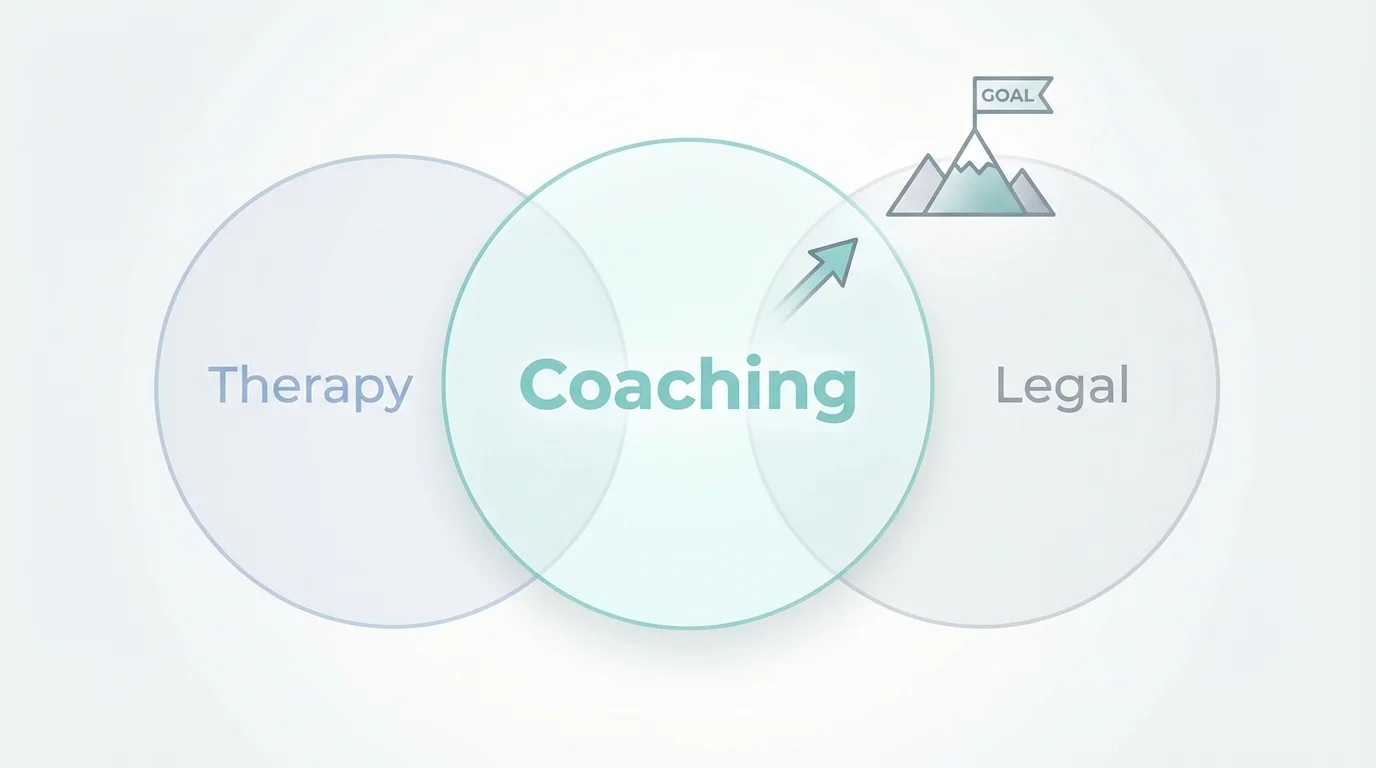
Divorce can feel like the ground has disappeared beneath you. The routines, relationships, and rhythms that once defined your life are suddenly stripped away, leaving you disoriented and uncertain about what comes next. Finding a life coach for divorce recovery offers something invaluable during this tumultuous time: a clear path forward. Unlike therapy, which focuses on healing past wounds, or legal professionals who handle the logistics, a divorce coach helps you bridge the gap between where you are now and where you want to be. This guide explores how working with a coach can transform your divorce from an ending into a powerful new beginning. For more guidance, see Rebuilding Your Life and Identity After Divorce: A Guide.
Understanding the Role of a Life Coach in Divorce Recovery

When facing divorce, understanding what kind of support you need can feel overwhelming. You may have friends offering advice, lawyers requesting documents, and perhaps a therapist helping you process emotions. A life coach for divorce recovery occupies a distinct and essential space among these professionals—one that focuses on action, clarity, and future possibilities.

What is a Divorce Coach?
A divorce coach is a trained professional who helps you handle both the emotional and strategic parts of divorce. They are not therapists or lawyers—those professionals have their specific roles. Instead, a divorce coach helps you make smart decisions, communicate better, and keep moving forward through practical guidance and emotional support. Think of them as your strategic partner during one of life’s most challenging transitions.
Divorce coaching recognizes that divorce is not a single event but a process. According to Certified Divorce Coach, divorce begins long before any legal paperwork is filed and continues well after the final agreement is signed. This full-lifecycle approach means a coach can support you before, during, and after the legal proceedings—helping you navigate decisions, manage emotions, and move forward with clarity and confidence.
Life Coach vs. Therapist vs. Lawyer
Understanding the differences between these professionals helps you build the right support team. A therapist focuses on mental health and emotional healing, often exploring past experiences and traumas to help you understand patterns and process grief. This work is deeply valuable and often complements coaching beautifully.
A lawyer handles the legal aspects of your divorce—filing documents, negotiating settlements, and representing you in court. Their expertise is essential for protecting your legal rights and navigating the judicial system.
A life coach after divorce operates differently. While therapy looks backward to heal, coaching looks forward to build. While lawyers manage legal proceedings, coaches help you manage yourself through those proceedings. Your coach keeps you focused on long-term goals rather than short-term reactions, helps you communicate effectively with your legal and financial team, and ensures you are emotionally and mentally prepared for each step of the process.
Key Areas a Divorce Coach Addresses
Divorce touches nearly every aspect of your life, and a skilled coach addresses multiple dimensions of your recovery. Before divorce, coaches help clients reduce fear and overwhelm through preparation, get organized before meeting with attorneys, and clarify priorities and values. This early support often leads to more intentional decisions and fewer regrets.
During divorce, coaches help clients stay focused on long-term goals, communicate effectively with their legal and financial team, organize information for professional meetings, regulate emotions to participate calmly and credibly, and prepare for mediation, settlement meetings, or court appearances. If co-parenting is involved, they can offer guidance on establishing functional relationships, such as learning how to create a co-parenting plan. Related reading: Divorce And Self Discovery Journey.
After divorce, the focus shifts to rebuilding. Your coach helps you rediscover who you are outside the marriage, set meaningful goals for your new chapter, and create actionable plans to achieve them. This comprehensive support makes coaching for divorcees particularly valuable for those seeking not just to survive divorce but to thrive beyond it.
The Transformative Benefits of Hiring a Life Coach for Divorce Recovery
Working with a divorce coach offers benefits that extend far beyond simply having someone to talk to. The right coach becomes a catalyst for genuine transformation, helping you emerge from divorce stronger, clearer, and more confident than before.

Emotional Support and Healing
Divorce ranks among life’s most stressful experiences, often triggering a complex mix of grief, anger, fear, and relief. While friends and family may offer well-meaning support, they sometimes have their own opinions about what you should do or how you should feel. A coach provides something different: a neutral, judgment-free space where your emotions are validated and your experiences are honored.
According to Hello Divorce, a divorce coach helps you handle the emotional parts of divorce while keeping you focused on smart decisions. This dual focus matters because intense emotions can cloud judgment, leading to decisions you might later regret. Your coach helps you process feelings while maintaining the clarity needed to make sound choices about your future.
The emotional support a coach provides is distinct from therapy. While therapy might explore why you feel certain ways or how past experiences influence present reactions, coaching acknowledges your emotions and immediately connects them to action. You might discuss your fears about financial independence, for example, and then work together to create a budget that addresses those fears directly. If you are struggling with the emotional fallout, exploring resources on dealing with divorce grief and sadness can be a helpful first step.
Rebuilding Identity and Self-Worth
For many people, divorce creates an identity crisis. You may have spent years defining yourself as part of a couple, and suddenly that definition no longer applies. Questions like “Who am I now?” and “What do I actually want from life?” can feel paralyzing.
A skilled life coach for divorce recovery understands this struggle intimately. They help you separate your identity from your former relationship and discover who you are as an individual. This process often involves exploring values, interests, and dreams that may have been set aside during marriage. Learning how to rebuild identity after divorce is a core function of this coaching.
Divorce can significantly impact self-worth, particularly if the relationship involved criticism, neglect, or betrayal. Your coach helps you rebuild confidence by identifying your strengths, celebrating small wins, and challenging negative self-talk. They guide you through exercises designed to reconnect you with your inherent worth—worth that exists independent of anyone else’s opinion or presence in your life. As noted by Fresh Starts Registry, coaches help clients redefine their identity after divorce by using specific tools for rebuilding self-worth. You might also like Who Am I After Divorce At 35.
Goal Setting and Future Planning
One of the most powerful divorce coach benefits is the structured approach to goal setting. When you’re in the midst of divorce, the future can seem like a blank canvas—and not necessarily in an inspiring way. You might feel overwhelmed by possibilities or paralyzed by uncertainty.
A coach helps you transform that blank canvas into a clear vision. They ask questions like “What does your best life look like now?” and “What would make you excited to wake up each morning?” From these conversations, specific goals emerge—goals related to career, relationships, health, finances, personal growth, or any area that matters to you.
What distinguishes coaching from simply making plans on your own is the combination of accountability and strategy. Your coach doesn’t just help you set goals; they help you break those goals into manageable steps, anticipate obstacles, and create contingency plans. This structure turns overwhelming changes into achievable milestones for rebuilding life after divorce.
Practical and Strategic Guidance
Beyond emotional support and goal setting, a divorce coach provides invaluable practical guidance. As Josh Dolin explains, professional support like a divorce coach or life coach offers clarity amidst the chaos. They help you sort through the noise and focus on what truly matters—your emotional well-being, your financial stability, and your next steps forward.
This practical support might include helping you prepare for meetings with attorneys, organizing financial documents, developing communication strategies for interacting with your ex-spouse, or creating parenting plans that prioritize children’s needs. Your coach serves as a thinking partner for complex decisions, helping you consider multiple perspectives and potential outcomes before committing to a course of action. If you are navigating co-parenting, they can help you establish professional communication, perhaps by recommending co-parenting communication tools.
For those navigating high-conflict divorces, this strategic guidance becomes even more critical. A coach can help you manage your reactions, respond rather than react to provocations, and maintain focus on your long-term interests rather than getting drawn into petty battles. Furthermore, some coaches specialize in career coaching divorce scenarios, helping clients pivot professionally after a major life change.
How to Find and Choose the Right Life Coach for Your Divorce Recovery

Finding a divorce coach is perhaps the most important step in your divorce recovery support journey. The coach-client relationship requires trust, openness, and genuine connection. Taking time to find the right match will significantly impact the value you receive from coaching.

Questions to Ask Potential Coaches
Before hiring a life coach for divorce recovery, have meaningful conversations with potential candidates. Start by asking about their experience working with clients going through divorce. Divorce presents unique challenges that differ from other life transitions, and you want someone who understands these complexities. Also worth reading: Starting Fresh After Divorce at 40: Your Guide to a Brighter Future.
Ask about their coaching approach and areas of focus. Some coaches emphasize emotional recovery, while others specialize in practical planning or career transitions. Understanding their methodology helps you determine if it aligns with your needs. Consider asking how they help clients rebuild identity after divorce—this question reveals whether they have specific tools and strategies for this crucial work.
Other valuable questions include: How do you help clients manage stress and anxiety during divorce? What does a typical coaching session look like? How do you measure progress? What happens if we’re not a good fit? Their answers will give you insight into their professionalism, experience, and communication style.
What to look for in a Divorce Coach
When evaluating potential coaches, several factors merit consideration. First, look for specialized training or certification in divorce coaching. While general life coaching skills are valuable, divorce-specific training indicates deeper understanding of the unique challenges you face.
As highlighted by Hello Divorce, finding the right life coach requires a time investment, and personality fit is crucial. If you don’t like or trust your coach, you’re not going to put in the work, and it will be much harder to move forward. If you are concerned about navigating the dating world after your divorce, you might want to ask about their experience supporting clients with dating advice for divorced women.
Consider their communication style. Do they ask thoughtful questions? Do you feel heard and understood? Do they strike a balance between support and challenge? The best coaches create space for vulnerability while also pushing you toward growth.
Practical considerations matter too. What are their fees and session packages? Do they offer virtual sessions, and if so, what technology do they use? What is their availability and typical response time? These logistical factors can significantly impact your coaching experience.
The Consultation Process
Most coaches offer free consultations, and this initial conversation is your opportunity to assess fit. Come prepared with questions and be honest about your situation and needs. Pay attention to how you feel during the conversation—do you feel comfortable opening up? Does the coach’s style resonate with you?
Use this time to discuss your goals and hear how the coach might approach working with you. A skilled coach will ask about your vision for the future, your current challenges, and what success would look like in your coaching relationship. They should also explain their process, including session frequency, communication between sessions, and expected duration of the coaching relationship.
Don’t rush this decision. Speaking with two or three coaches before making a choice allows you to compare approaches and find the person who feels right for you. Remember that personality fit is crucial—if you don’t like or trust your coach, you won’t do the work needed to move forward. Many coaches offer free consultations for this very reason, so take advantage of them when finding a divorce coach. See also: Rediscovering Yourself After Divorce in Your 30s: A New Chapter.
Embarking on Your New Chapter: Next Steps After Divorce Coaching

Working with a life coach for divorce recovery is an investment in your future. To maximize this investment, approach coaching with commitment and openness.

Integrating Coaching into Your Recovery Journey
Success in coaching requires active participation. Show up to sessions prepared, having reflected on what you want to discuss. Be honest about your struggles and your victories. Complete any assignments or reflections your coach suggests—these tasks are designed to deepen your learning and accelerate your progress.
Remember that coaching works best as part of a comprehensive support system. According to Stella O’Shea Coaching, coaching offers a safe, supportive space to help you process the pain, rebuild your confidence, and find your way forward. This divorce recovery support complements other resources like therapy, support groups, and trusted friends or family. If you have children, learning some child friendly co parenting tips can also be a great addition to your recovery plan.
Sustaining Progress and Long-Term Growth
The skills and insights you develop in coaching extend far beyond your sessions. As you rebuild life after divorce, you will face new challenges and opportunities. The goal-setting strategies, emotional regulation techniques, and decision-making frameworks you learn with your coach become tools you can use independently.
Many clients find that periodic check-in sessions help them stay on track after their initial coaching relationship concludes. Others discover that the confidence and clarity gained through coaching empowers them to pursue new dreams—career changes, new relationships, creative projects, or personal adventures that once seemed impossible. If you are considering dating, understanding the signs you are ready to date after divorce is a great next step.
When to Consider Additional Support
While coaching provides powerful support for divorce recovery, it is not a substitute for mental health treatment. If you experience persistent depression, anxiety, or trauma symptoms, working with a therapist alongside your coach may be beneficial. The two approaches complement each other beautifully—therapy addresses deep healing while coaching focuses on moving forward.
Similarly, financial advisors, career counselors, and other specialists may play important roles in your recovery. Your coach can help you identify when additional professional support would serve you and may have referrals to trusted colleagues. For instance, if financial uncertainty is high, exploring steps to financial independence after divorce is crucial.
Frequently Asked Questions

What is the difference between a divorce coach and a therapist?
A therapist focuses on mental health and emotional healing, often exploring past experiences and traumas to help you understand patterns and process grief. They are licensed healthcare providers who can diagnose and treat mental health conditions. A divorce coach, by contrast, focuses on the present and future—helping you set goals, make decisions, and take action. Coaching is not therapy, though many people benefit from both simultaneously. Your coach helps you move forward with clarity and purpose, while your therapist helps you heal emotional wounds from the past.
How can a life coach help me rebuild my identity after divorce?
Divorce often disrupts your sense of identity, especially if you have been married for many years. A life coach for divorce recovery helps you rediscover who you are as an individual through guided exploration of your values, interests, and aspirations. They use specific exercises and tools designed to help you identify your strengths, clarify what matters most to you, and envision the life you want to create. Through this process, you will rebuild self-worth and confidence that may have been damaged during your marriage or divorce. If you are struggling with this, learning about the emotional healing stages after divorce can provide context for this identity work.
What questions should I ask a life coach before hiring them for divorce recovery?
Start by asking about their experience working with divorce clients—how many clients they have coached through divorce and whether they have specialized training in this area. Ask about their coaching approach: do they focus more on emotional recovery, practical planning, or both? Inquire about their process for helping clients rebuild identity and confidence. Ask what a typical session looks like, how they measure progress, and what their fees and policies include. Finally, trust your instincts about whether their communication style and personality feel like a good match.
Is a life coach for divorce recovery an essential expense?
Whether coaching is essential depends on your individual circumstances and support needs. If you have a strong network of supportive friends and family, clear goals for your future, and confidence in your ability to navigate decisions independently, you may manage well without a coach. However, many people find that coaching accelerates their recovery, helps them avoid costly mistakes, and provides support that friends and family cannot offer. Consider it an investment in your future wellbeing—much like working with a financial advisor or personal trainer, the right coach can help you achieve outcomes that would be difficult to reach on your own.