Passive Income Ideas for Financial Independence: Build Wealth
Understanding Passive Income and Financial Independence

Building genuine wealth requires more than just a salary. While traditional employment provides steady income, it ties your earnings directly to your time. Exploring passive income ideas for financial independence offers a different path—one where your money works for you, not the other way around money-streets.com. In an unpredictable economy, relying solely on a paycheck can be risky; passive income diversifies your earnings and builds long-term wealth money-streets.com.
What is Passive Income (Really)?
Passive income is generally defined as a regular cash flow that doesn’t require much time or effort to maintain fidelity.com. This includes earnings from rental properties, stock dividends, courses sold online, and other projects where you’re not actively involved in the continued generation of revenue money.com/what-is-passive-income/. For more guidance, see What Is Financial Independence Retire Early.
However, the term “passive” can be misleading. Most passive income streams require significant upfront investment—either time, money, or both. A rental property demands research, financing, and maintenance. An online course needs planning, recording, and marketing. The passive nature emerges only after you’ve built the foundation iwillteachyoutoberich.com. Let’s be real: truly passive income doesn’t exist; almost every income stream requires time, effort, and ongoing attention to maintain and grow to its full potential iwillteachyoutoberich.com.
The IRS has specific rules distinguishing passive from active income, including “material participation” requirements that determine whether a taxpayer has been actively involved in an income-producing activity. Understanding these distinctions matters for tax planning, especially as your income streams grow.
The Link Between Passive Income and Financial Independence
Financial independence means having enough income from sources other than employment to cover your living expenses. It’s the point where work becomes optional rather than mandatory. Passive income streams form the backbone of this transformation.
According to the US Census Bureau, households that bring in passive income generate a median of $4,200 annually from these sources. While this might not seem life-changing at first, the real power lies in compounding and scaling. Multiple income streams, properly nurtured, can replace or exceed traditional employment income over time. The real value of passive income isn’t just money—it’s time [money-streets.com](https://money-streets.com/the-beginners-guide-to-building-a-passive-income-stream/].
The FIRE (Financial Independence, Retire Early) movement has popularized this approach, pairing passive income with normal active employment income sources for increased financial freedom and early retirement. The goal isn’t just making extra money—it’s building systems that work for them [money-streets.com](https://money-streets.com/the-beginners-guide-to-building-a-passive-income-stream/]. For those pursuing this goal, understanding the steps to financial independence after divorce can be relevant if life changes necessitate a new financial plan.
Debunking Passive Income Myths
Several misconceptions prevent people from pursuing passive income effectively:
Myth 1: It’s truly “passive” from day one. Reality: All passive income projects involve some form of time, energy, or financial commitment at the onset. As financial literacy expert Tiffany Grant notes, “Sometimes people will give up before it has a chance to truly take root and grow” according to Business Insider’s investing guide.
Myth 2: You need lots of money to start. Reality: Digital products, affiliate marketing, and content creation can begin with minimal capital—just time and skills.
Myth 3: Passive income is easy money. Reality: Success requires research, strategy, and persistence. The “passive” part comes after substantial groundwork.
Top Passive Income Ideas: From Digital to Real Estate
The most effective approach to building passive income involves diversification across multiple asset classes and strategies. Here’s a detailed breakdown of proven methods, ranging from digital ventures to traditional investments, crucial for achieving passive income ideas for financial independence.
Digital Products: Courses, Ebooks, and More
Digital products represent one of the most scalable passive income opportunities available today. Once created, they can sell infinitely without inventory costs or shipping logistics. Related reading: Tax Strategy for Financial Independence: A Complete Guide.
Online Courses: If you possess expertise in any field—whether it’s cooking, coding, marketing, or music—you can package that knowledge into a course. Platforms make course creation accessible. The upfront work involves curriculum design, video recording, and editing. After launch, sales can continue indefinitely with minimal maintenance.
Ebooks and Printables: Writers can self-publish ebooks through platforms or sell directly through personal websites. Printables—planners, budget templates, contracts—attract buyers on marketplaces like Etsy. A single well-designed template can generate sales for years money-streets.com. Evergreen digital templates have broad appeal money-streets.com.
Stock Photography and Music: Photographers and musicians can license their work through stock platforms. Each download earns royalties, creating ongoing income from work completed once. This approach works particularly well for creatives who already produce content regularly.
As WooCommerce’s passive income guide highlights, digital products allow you to “share your knowledge and expertise with a global audience while generating passive income” with the ability to sell to unlimited customers after creation. Furthermore, repurposing old blog posts into ebooks or email mini-courses is an efficient way to generate new assets money-streets.com.
Investing: Stocks, Bonds, and High-Yield Accounts
Investment-based passive income requires capital upfront but minimal ongoing effort. These approaches suit those who prefer hands-off wealth building and are key to long-term financial independence.
Dividend Stocks: Some companies distribute portions of profits to shareholders as dividends. Dividend aristocrats—companies with long histories of increasing dividends—provide reliable income streams. Turning on dividend reinvestment (DRIP) accelerates compound growth money-streets.com.
Index Funds: For beginners, broad-market index funds offer instant diversification with low fees. Total-market or S&P 500 index funds are smart picks for low-cost, diversified growth money-streets.com. While not guaranteed, this long-term growth combined with dividend payments helps build wealth over decades. This is a core component of stock market investing.
Bonds and Bond Funds: Government and corporate bonds pay regular interest, providing predictable income. Bond ladders can be set up for predictable cash flow in conservative buckets money-streets.com.
High-Yield Savings Accounts: While returns are modest compared to investments, high-yield savings accounts offer risk-free passive income. Online banks frequently offer competitive rates. This option works best for emergency funds or short-term savings goals money-streets.com.
Real Estate Ventures: Rentals and REITs
Real estate investing has created wealth for centuries, and modern options make it accessible even without buying physical property. You might also like Strategies For Financial Independence Later In Life.
Rental Properties: Owning rental real estate provides monthly cash flow plus potential appreciation. However, it requires significant capital, property management skills, and tolerance for tenant issues. Many investors hire property managers, reducing personal involvement but cutting into profits.
Real Estate Investment Trusts (REITs): REITs allow you to invest in real estate without buying property. These companies own and operate income-producing real estate, legally required to distribute at least 90% of taxable income to shareholders. You get real estate exposure without landlording headaches money-streets.com. Quality REITs focused on industrial or data centers can capitalize on secular demand trends money-streets.com.
House Hacking: Buying a multi-unit property, living in one unit, and renting others can significantly reduce or eliminate your housing costs. This strategy builds equity while someone else pays your mortgage.
Leveraging Your Assets: Renting Out Space or Items
You likely own assets that could generate income right now. These can supplement your primary income streams.
Spare Room or Entire Property: Platforms make short-term rentals straightforward. Even renting a spare room to a long-term tenant provides steady income.
Vehicle Storage and Specialty Items: If you have garage space, consider vehicle storage. Specialty vehicle storage—RVs, boats, classic cars—commands premium rates. Alternatively, rent tools, camera equipment, or recreational items through peer-to-peer platforms.
Advertising Space: Some companies pay to wrap your car in advertisements, turning your commute into a money-maker. Rates vary, but it requires zero effort beyond driving normally.
Building and Scaling Your Passive Income Streams
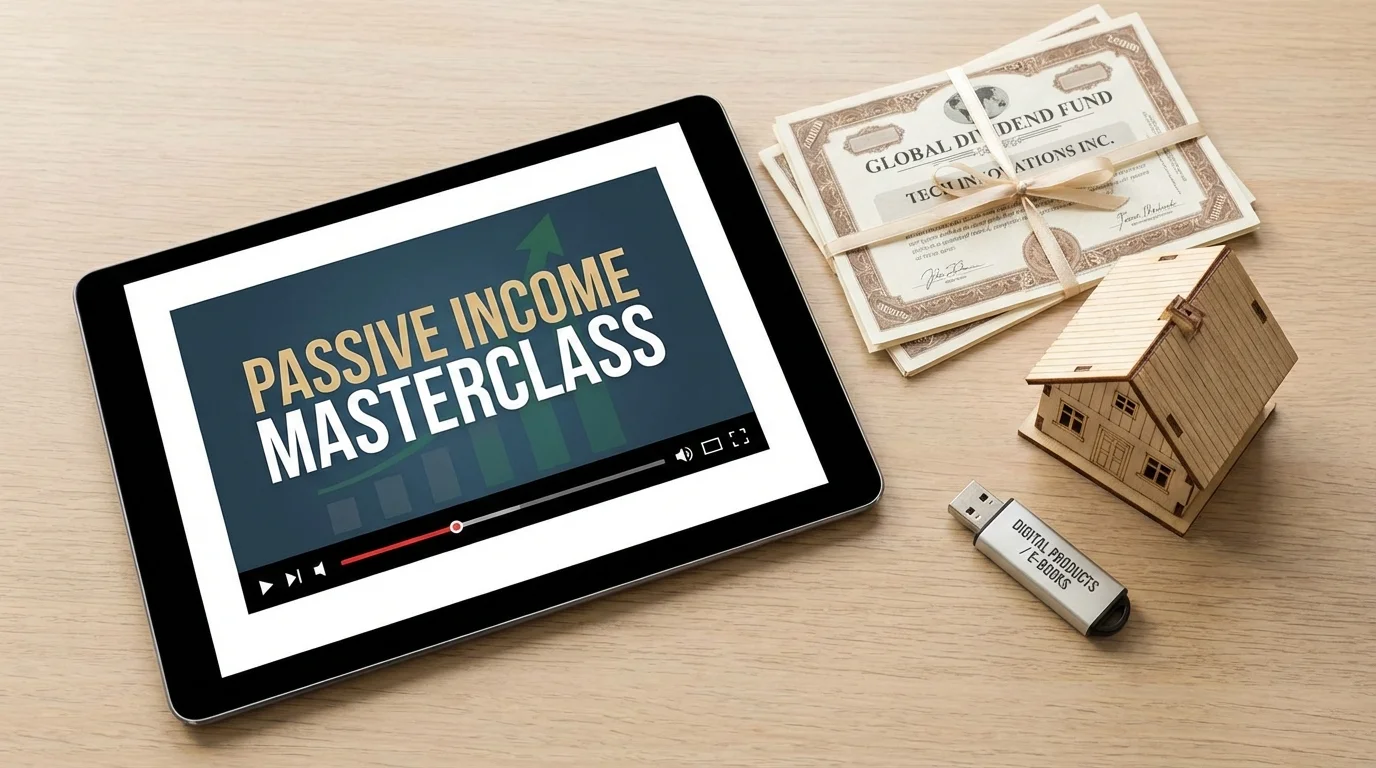
Creating passive income isn’t about finding one magic solution—it’s about systematic building, testing, and scaling. The journey from zero to financial independence requires strategy, patience, and consistent effort to build wealth. Schedule a monthly “wealth OPS” hour to review deposits and returns money-streets.com.
The Crucial First Steps: Planning and Capital
Before diving into any passive income venture, assess your resources honestly:
Financial Capital: How much can you invest without jeopardizing your security? Build a 3–6 month emergency fund before scaling passive plays money-streets.com. Treat raises or bonuses as fuel, allocating 50–100% to passive assets money-streets.com.
Human Capital: What skills do you possess that others would pay to learn? Your professional expertise, hobbies, and life experiences all represent potential income streams. For those navigating major life changes, understanding how to start emotional healing journey might be a necessary precursor to dedicating time to new projects. Also worth reading: Financial Independence For Women Over 50.
Time Availability: Be realistic about how much time you can dedicate. Someone working 60-hour weeks might prefer investment-based passive income, while those with flexible schedules could pursue digital products creation. Document a one-page plan outlining goals, streams, timelines, and guardrails money-streets.com.
Marguerita Cheng, CEO of Blue Ocean Global Wealth and Investopedia Top 100 Financial Advisor, observes that “there are more opportunities for those looking for passive income opportunities today,” according to Fidelity’s learning center. The digital economy has democratized access to income-generating opportunities.
Strategies for Minimizing Upfront Effort
While no legitimate passive income requires zero effort, smart strategies can reduce your workload. The key to building a successful passive income stream is setting up strategic systems and processes that allow you to work on them efficiently without being buried in day-to-day tasks iwillteachyoutoberich.com.
Start with What You Know: Creating content about familiar topics requires less research. An accountant creating financial templates works faster than learning an unfamiliar niche. Leverage existing knowledge; it’s always easier than starting from scratch.
Batch Creation: Record multiple course modules in one session. Write several ebook chapters during focused writing blocks. Batching reduces context-switching and increases efficiency. Furthermore, batch-create 4 evergreen articles per month to build compounding traffic money-streets.com.
Repurpose Content: A single piece of content can become multiple products. A blog post can transform into a video, podcast episode, social media content, and eventually an ebook chapter. Use a passworded “vault” drive to reuse assets across products money-streets.com.
Automate Where Possible: Use email automation for course delivery. Set up automatic dividend reinvestment (DRIP) money-streets.com. Use automatic bill pay to avoid fees and protect compounding [money-streets.com](https://money-streets.com/the-beginners-guide-to-building-a-passive-income-stream/]. Each automation saves recurring time investment.
The Role of AI and Technology in Passive Income
Artificial intelligence has transformed passive income creation, particularly for digital products:
Content Assistance: AI tools can help outline courses, draft ebook chapters, and generate marketing copy. While human editing remains essential, AI dramatically accelerates production.
Design Automation: Platforms use AI to suggest designs, making professional-looking printables and graphics accessible to non-designers. See also: Steps To Financial Independence After Divorce.
Market Research: AI-powered tools analyze trends, keywords, and competition, helping you identify profitable niches before investing time.
Customer Service: Chatbots handle common questions for online courses or digital products, reducing your support burden.
However, technology is a tool, not a replacement. Quality content that genuinely helps people will always outperform AI-generated filler. Use technology to enhance your expertise, not substitute for it.
When to Reinvest and Scale Your Earnings
The power of passive income compounds when you reinvest earnings strategically. This is the key to accelerating your path toward financial freedom. Target $100/month per stream, then stack them money-streets.com.
The Reinvestment Rule: Consider reinvesting a significant portion of all passive income back into income-generating assets. This accelerates compound growth significantly. Pay yourself first by automating a weekly transfer to an “Investment” account money-streets.com.
Diversification: Don’t put all earnings back into the same stream. If course sales generate income, consider investing some profits into stock market investing or REITs for diversification. For those focused on long-term security, understanding the steps to financial independence after divorce often involves this exact reinvestment strategy.
Scale What Works: Track which streams perform best. A course outselling others deserves more marketing investment. Audit subscriptions quarterly and redirect savings to investments money-streets.com. Auto-buy investments on set dates to avoid decision fatigue and FOMO money-streets.com.
Know When to Delegate: As income grows, consider outsourcing tasks. Hiring support for customer service or management frees your time for higher-level strategy or new ventures.
Financial freedom exists on a spectrum, as Clark.com’s financial freedom guide explains. For some, it means peace of mind about unexpected expenses. For others, it’s complete independence from employment. Your reinvestment strategy should align with your specific freedom goals.
Frequently Asked Questions


What is the difference between active and passive income?
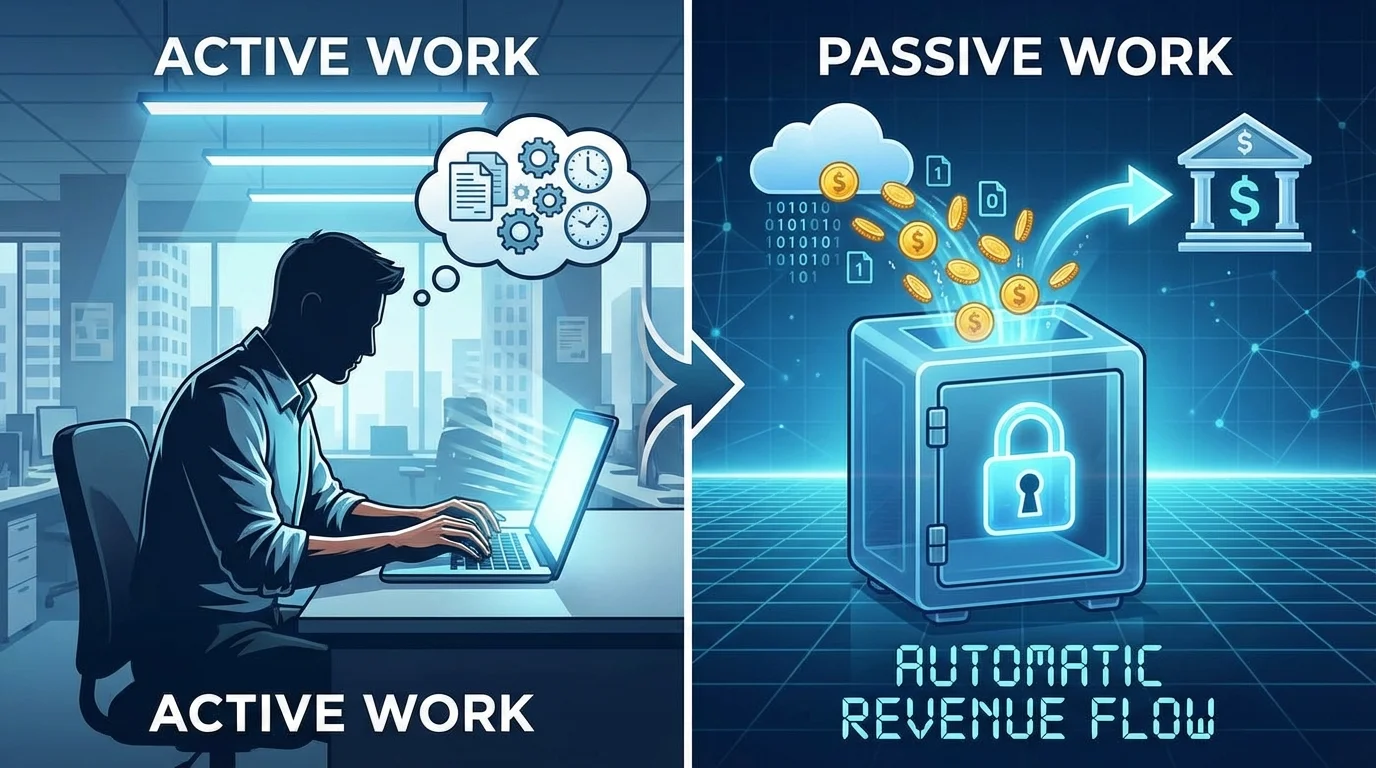
Active income comes from direct work—salaries, hourly wages, and freelance projects where you trade time for money. Stop working, and the income stops. Passive income generates money with minimal ongoing effort after initial setup, such as collecting royalties or dividends. However, passive income typically requires upfront investment of time, money, or both, while active income starts immediately when you begin working.
How much upfront work is typically required for passive income streams?
Upfront investment varies dramatically by stream. Dividend investing requires opening a brokerage account and researching stocks—perhaps a few hours initially. Creating an online course might take 40-100 hours of planning, recording, and editing. Writing an ebook could require 50-200 hours depending on length and research. Real estate investing demands weeks or months of property searching and due diligence. Generally, lower financial investment means higher time investment, and vice versa.
Can I start building passive income with little to no money?
Absolutely. Digital products require minimal financial investment—just time and skills. You can create courses using basic recording equipment, write ebooks with free software, and sell through platforms that only charge fees upon sale. Content creation through blogging or YouTube costs little to start. Affiliate marketing promotes others’ products with zero inventory cost. While these approaches require significant time investment, they prove that money isn’t a prerequisite for beginning your journey toward passive income ideas for financial independence.
What are the most beginner-friendly passive income ideas?
For complete beginners, high-yield savings accounts and broad-market index funds offer the simplest entry points with minimal knowledge required. Dividend-focused ETFs provide income with instant diversification through stock market investing. Digital products work well for those with teachable skills—creating a simple printable or short ebook requires less technical knowledge than building complex systems. REITs offer real estate investing exposure without property management. Start with one stream that matches your resources and risk tolerance, then expand as you learn to build wealth.
Disclaimer: This article is for informational purposes only and does not constitute financial advice. Investment returns are not guaranteed, and all investments carry risk. Consult with a qualified financial advisor before making investment decisions.