The Surprising Benefits of Solo Dating Within Marriage
Understanding Solo Dating Within Marriage

Marriage is often celebrated as a union of two people becoming one, but maintaining your individuality within that partnership is equally important. Exploring the solo dating within marriage benefits helps both partners by creating space for personal growth, self-discovery, and renewed appreciation for the relationship. This practice involves intentionally spending time alone in enjoyable, nourishing activities that help you reconnect with yourself.
What is Solo Dating?
A solo date is an intentional activity that you do alone, with the key word being intentional. Unlike simply finding yourself alone because plans fell through, solo dating means deliberately choosing to spend quality time with yourself. According to Bumble, a solo date is an intentional activity you do alone, and while it might feel slightly awkward at first, it’s an excellent way to step outside your comfort zone. For more guidance, see How To Practice Solo Dating Within Marriage.
Solo dating within marriage takes this concept a step further. It’s not about escaping your spouse or avoiding relationship problems. Instead, it’s about carving out dedicated time to nurture your relationship with yourself. This could mean taking yourself to a museum, enjoying a solo lunch at your favorite restaurant, or spending an afternoon browsing a bookstore without having to compromise on which sections to explore.
The Difference Between Solitude and Loneliness
Many people conflate solitude with loneliness, but these are fundamentally different experiences. Loneliness is the distressing feeling of being alone when you desire connection, while solitude is the deliberate choice to spend time by yourself for restoration and self-reflection Psychology Today.
Choosing solitude can be deeply nourishing. When you intentionally spend time alone, you control the pace and activities. You’re not waiting for someone else’s input or compromising on decisions. This autonomy can feel incredibly freeing, especially for married individuals who constantly consider their partner’s preferences and needs in daily life. If you are struggling with feelings of isolation, learning about overcoming loneliness after divorce might offer parallel insights into valuing alone time.
Why Solo Dating is Relevant in a Marriage
Marriage naturally involves compromise and togetherness, which are beautiful aspects of partnership. However, maintaining a strong sense of self within marriage is crucial for long-term relationship health. When couples become too enmeshed, they risk losing their individual identities, which can lead to resentment, boredom, or even codependency.
Solo dating helps married individuals remember who they are outside of their role as a spouse. It provides an opportunity to explore personal interests, process emotions, and return to the relationship with fresh energy and perspectives. Far from being selfish, this practice ultimately serves the marriage by ensuring both partners bring their best, most authentic selves to the relationship. If you are focused on personal development, exploring self-discovery exercises for adults can complement your solo dating journey.
Key Benefits of Solo Dating for Married Individuals
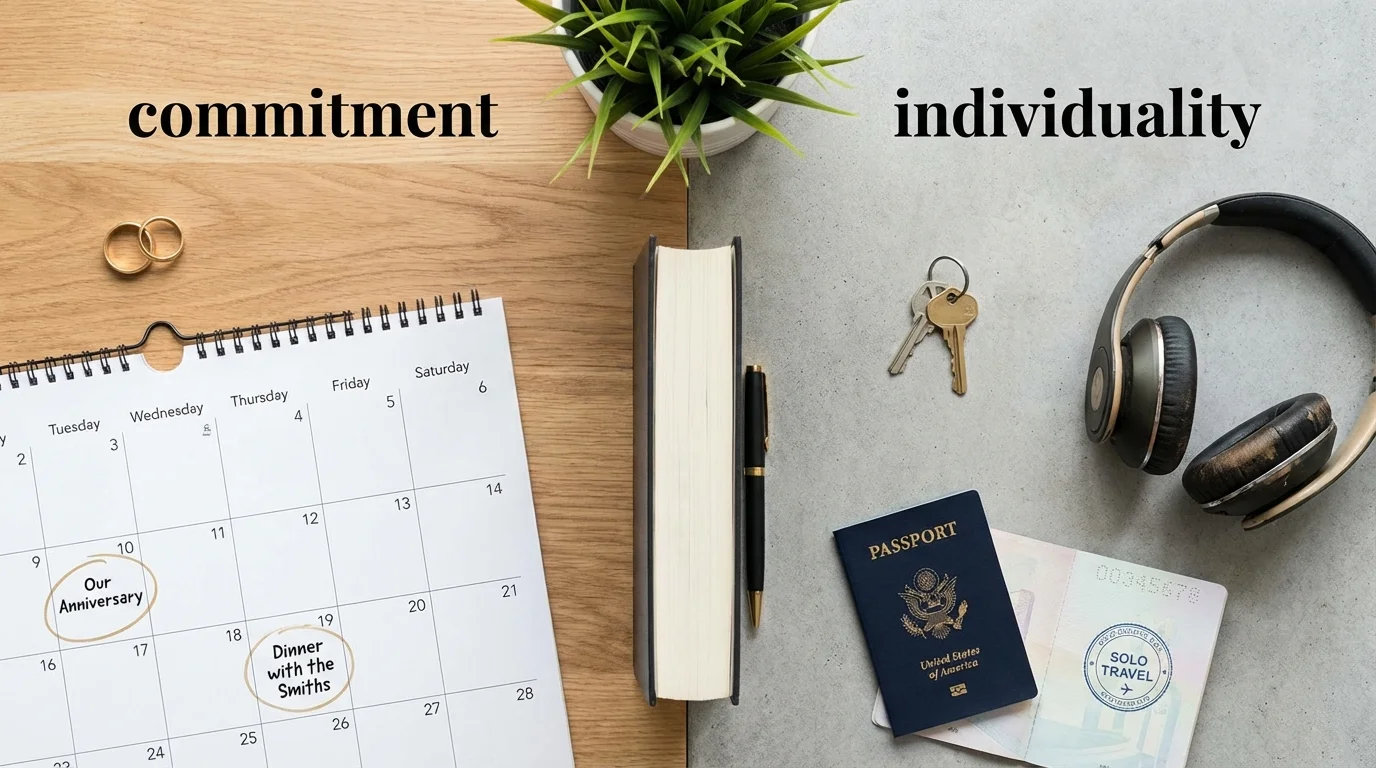
The benefits of solo dates extend far beyond simply having time away from your partner. These intentional moments of solitude can transform both your relationship with yourself and your marriage, contributing significantly to personal growth in marriage.
Enhanced Self-Awareness and Personal Growth
Solo dates provide a rare opportunity to check in with yourself without external influences. When you’re constantly surrounded by others—even those you love—you may lose touch with your own thoughts, desires, and needs. According to Psychology Today, benefits of solitude include increased self-awareness, enhanced creativity, and reduced stress. Related reading: 80/80 Marriage vs. 50/50: Moving Beyond Fairness for Connection.
During solo dates, you can reflect on questions that often get lost in the busyness of married life: What brings me joy? What are my current goals? How am I really feeling? This self-awareness translates into better communication with your spouse because you have a clearer understanding of your own needs and can articulate them more effectively. This is key to rediscovering self in marriage. For deeper introspection, consider using journal prompts for self discovery.
Personal growth also accelerates during solo time. Without the comfortable routines of married life, you may find yourself trying new activities, meeting new people, or developing new skills. These experiences enrich your life and give you fresh stories and perspectives to share with your partner. Learning how to find your true self is often accelerated when you dedicate time solely to introspection.
Increased Independence and Confidence
Navigating the world alone builds self-reliance and confidence. When you dine solo at a restaurant, attend a concert by yourself, or travel alone, you prove to yourself that you can handle situations independently. This independence is attractive and healthy within a marriage.
Confidence gained through solo experiences often spills over into your relationship. You may find yourself more willing to express opinions, pursue individual goals, or suggest new activities with your partner. Rather than relying solely on your spouse for entertainment, validation, or decision-making, you develop a stronger sense of autonomy that actually enhances your partnership. If you are working on bolstering your self-assurance, reviewing tips on how to build self confidence can be beneficial.
This independence also serves as insurance against potential relationship difficulties. Maintaining your ability to function independently means you’re in the relationship by choice, not necessity—a distinction that strengthens marital bonds.
Improved Communication and Connection with Partner
Paradoxically, spending time apart can improve your connection with your spouse, contributing to enhancing relationships through solitude. Solo dating gives you experiences and insights to share, making conversations more interesting and dynamic. Instead of rehashing the same daily routines, you can discuss the book you read at the coffee shop, the new restaurant you tried, or the thoughts that emerged during your solitary walk.
Additionally, absence often does make the heart grow fonder. When you have regular solo time, you may find yourself genuinely missing your partner and appreciating their presence more deeply when you reunite. This renewed appreciation can reignite spark and intimacy in the relationship. You might also like What is Parallel Intimacy in Marriage? Being Alone Together.
Solo dating also models healthy boundaries for your partner and any children you may have. It demonstrates that individual needs matter and that self-care in marriage is a priority, encouraging your spouse to pursue their own interests and growth. Modeling this behavior is a key part of relationship maintenance tips for couples.
Reduced Stress and Improved Mental Well-being
Quality time alone acts as a mental reset button. The demands of marriage, work, family, and social obligations can accumulate stress over time. Solo dates provide a dedicated space to decompress without having to manage anyone else’s needs or emotions. These are significant mental health benefits of alone time.
Research indicates that intentional alone time can reduce rumination and improve mood. When you step away from daily stressors and focus on an activity you enjoy, your nervous system has a chance to regulate. You return to your marriage less reactive, more patient, and better equipped to handle challenges.
According to The Modest Man, quality me time acts like a pressure valve, helping reduce stress-driven conflict. A brief session of reading, meditating, or engaging in a hobby can decrease irritability, making you more willing to find calm solutions when tensions arise. Furthermore, taking time alone to relax can recharge you, making you better able to respond to your spouse as you work through everyday life firstthings.com.
Practical Tips for Implementing Solo Dates in Your Marriage
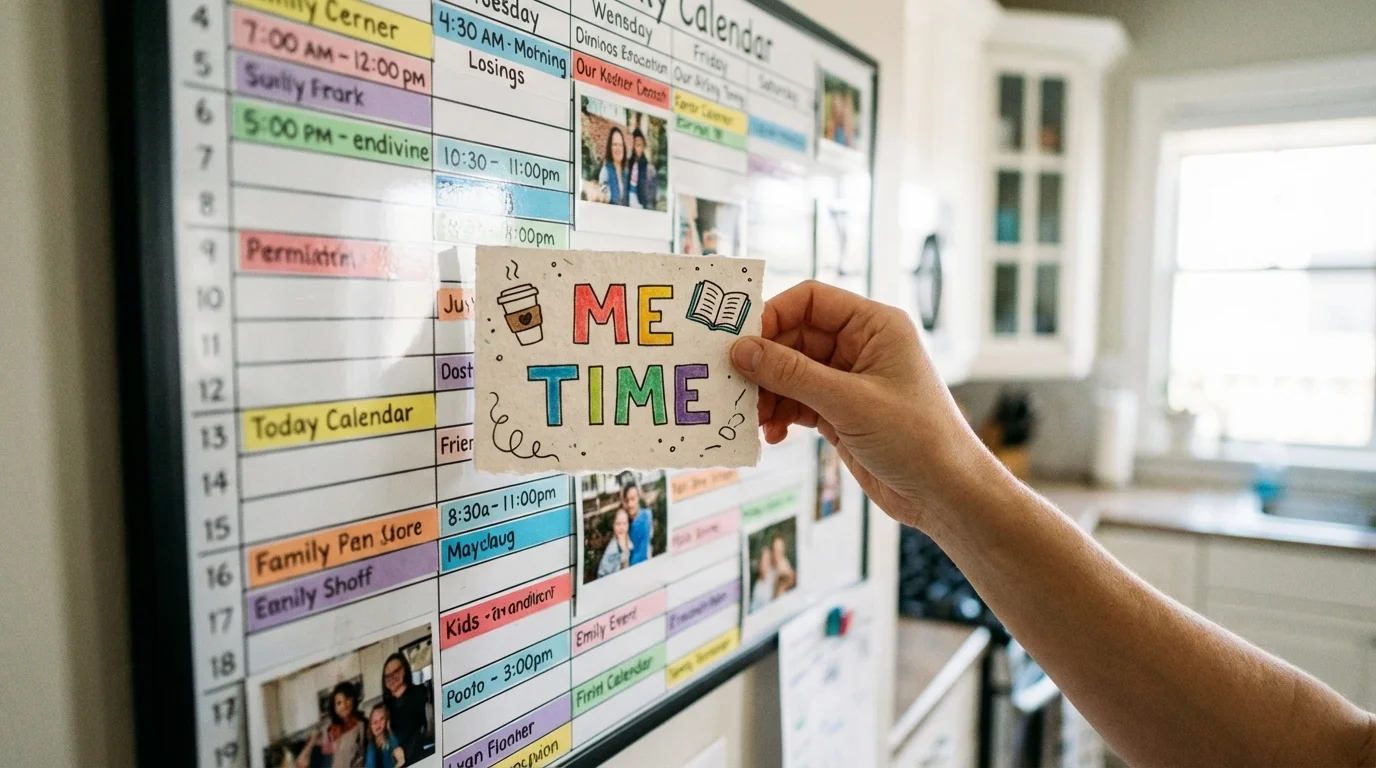
Understanding the benefits is one thing; putting solo dating for married couples into practice is another. Here’s how to make solo dates a sustainable part of your married life.
Overcoming Guilt and Self-Doubt
Many married individuals feel guilty about taking time for themselves, especially when their partner is handling household responsibilities or childcare. This guilt often stems from the mistaken belief that good spouses should always prioritize the relationship above individual needs.
Reframing solo dating as relationship maintenance can help. Just as a car needs regular tune-ups to run smoothly, marriages benefit when both partners take time to recharge individually. You’re not taking away from the relationship; you’re investing in its longevity. Also worth reading: The 80/80 Marriage Model Explained: Beyond 50/50 Fairness.
Start small if guilt feels overwhelming. A 30-minute solo coffee break or an hour-long walk can ease you into the practice without triggering significant guilt. As you experience the benefits of solo dates, extending solo time will feel more natural and justified. If you are finding it hard to shake off negative feelings, exploring how to process difficult emotions can be helpful.
Planning Your Solo Dates
Effective solo dates require intention and planning. Rather than waiting for free time to appear, schedule solo dates like you would any important appointment. This communicates to yourself and your partner that this time matters.
Solo date ideas can range from simple to elaborate. Consider activities like visiting a museum, taking yourself to lunch, attending a workshop or class, going for a hike, spending time at a library, or enjoying a spa day. The key is choosing activities that genuinely interest you, not activities you think you should enjoy.
According to slate.com, taking yourself on a date is a private pleasure that can be incredibly rewarding. Finding time for these personal excursions, even if it’s just an hour here and there, helps you maintain a sense of self. If you are looking for ways to structure your personal time, reviewing steps to discover your life purpose might inspire your solo activities.
Communicating Your Needs to Your Partner
Introducing the concept of solo dating within marriage benefits requires thoughtful communication. Rather than announcing that you need time away, frame the conversation around how solo dates will benefit both you and the marriage.
Explain that you’re not dissatisfied with the relationship but rather want to maintain your individual identity. Share what you hope to gain from solo time—whether it’s stress relief, personal growth, or simply the freedom to explore interests at your own pace.
Encourage your partner to pursue their own solo activities. When both partners have individual outlets, neither feels resentful about the other’s alone time. You might even coordinate schedules so each person has protected solo time while ensuring shared responsibilities are covered. Learning about how to build emotional safety in relationships can help frame these discussions positively. See also: Relationship Maintenance Tips For Couples.
Integrating Solo Time with Couple Time
Solo dating works best as part of a balanced approach to marriage that also prioritizes quality couple time. The goal isn’t to create distance but to enhance the relationship through intentional individual experiences.
Consider establishing rhythms that honor both individual and shared needs. For example, you might have Saturday mornings for solo activities and Saturday evenings for date nights with your spouse. This balance ensures you’re nurturing both your relationship with yourself and your marriage.
When you return from solo dates, share your experiences with your partner. This integration helps your spouse feel included in your individual journey and can spark interesting conversations that deepen your connection. If you are looking for ways to deepen intimacy, exploring questions to deepen emotional intimacy can be a great follow-up to your solo reflections.
Remember that solo dating complements rather than replaces couple time. The healthiest marriages typically include a mix of individual pursuits, one-on-one couple time, and shared social experiences.
Frequently Asked Questions
Is it selfish to go on solo dates when I’m married?
No, solo dating within marriage benefits are clear; it is not selfish—it’s an act of self-care in marriage that ultimately benefits your relationship. Taking time for yourself allows you to recharge, maintain your individual identity, and return to your marriage with renewed energy and perspective. Just as you can’t pour from an empty cup, you cannot bring your best self to your marriage without occasionally tending to your own needs.
How can solo dating help me feel more connected to my spouse?
Solo dating creates space for personal growth in marriage and self-discovery, which translates into more interesting conversations and experiences to share with your partner. Additionally, time apart can help you appreciate your spouse more deeply and approach the relationship with fresh eyes. Many couples find that regular solo time actually increases their appreciation for togetherness. If you are interested in strengthening your bond, reviewing tips on conversations to strengthen relationship bonds can be useful.
What are some easy solo date ideas for busy married individuals?
Easy solo date ideas include taking a walk in a nearby park, visiting a coffee shop with a book, browsing a bookstore or library, trying a new exercise class, cooking a meal just for yourself, or spending an hour on a hobby you enjoy. Even 30 minutes of intentional alone time can provide benefits—the key is choosing activities that feel nourishing rather than obligatory.
Can solo dating help if I’m feeling a lack of desire in my marriage?
Yes, solo dating can potentially help with low desire by reducing stress, building confidence, and helping you reconnect with your individual identity. When you feel good about yourself and have interesting experiences to share, intimacy often improves naturally. However, persistent desire issues may also benefit from professional support from a therapist or counselor.
How often should I plan solo dates within my marriage?
The ideal frequency varies by individual and circumstance, but many people find that once or twice a month works well for longer solo dates. Some prefer weekly shorter sessions of an hour or two. Start with what feels manageable and adjust based on your needs, schedule, and family responsibilities. The key is consistency rather than frequency.