Solo Travel After Divorce: Finding Calm and Reclaiming Yourself

Understanding the ‘Why’: Solo Travel as a Tool for Post-Divorce Healing

When a marriage ends, especially after decades together, the silence left behind can feel deafening. Many women find themselves standing at an unfamiliar threshold—no longer part of a couple, yet uncertain about what comes next. Solo travel after divorce often emerges during this pause between roles, offering something precious: space to hear yourself think again. For more guidance, see Finding Yourself After Divorce.

It’s About Calm, Not Confidence: Debunking Travel Myths
One of the most persistent myths about post-divorce travel is that women embark on solo journeys to prove something—that they’re brave, independent, or “doing fine” after the split. The reality is far more nuanced. According to qualitative research with divorced women, most weren’t chasing confidence or adventure. They were seeking something quieter: steadiness and calm solotravelcollective.com.
After years of emotional negotiation, compromise, and accommodation, the simple act of making decisions without explanation becomes profoundly healing. You eat when hungry, rest when tired, and explore what calls to you—all without consulting anyone else. One woman captured this perfectly: “I wasn’t trying to show I could do it. I just needed space where nothing was expected of me.”
This reframing matters enormously. When travel is viewed as permission rather than performance, the pressure lifts. You’re not attempting to demonstrate resilience to an audience; you’re simply giving yourself room to breathe. If you are struggling with the emotional aftermath, exploring how to start emotional healing journey might be a helpful first step.
The Emotional Weight of the First Solo Trip After Divorce
Women consistently report that the first solo trip after divorce carries the most emotional significance. It’s not about distance traveled or luxury accommodations—it’s about crossing an internal line. Many spend months researching, doubting, cancelling, rebooking, and second-guessing before finally committing.
That hesitation isn’t weakness or indecision. It’s emotional readiness catching up with logic. After a major life transition, especially for solo travel after divorce for women over 50 who may have built decades of routines around a partner, the prospect of navigating the world alone can feel overwhelming. The fear isn’t really about logistics—it’s emotional thelifestyledigs.com.
Understanding this distinction helps. The anxiety you feel isn’t a sign you’re not ready; it’s acknowledgment that you’re doing something genuinely significant. If you are questioning your readiness, reviewing the signs you are ready to date after divorce might offer perspective on your overall readiness for new experiences. Related reading: Steps To Discover Your Life Purpose.
Finding Choice Without Explanation: The Freedom of Solitude
Marriage, even good ones, require constant small negotiations. What to eat, where to go, how to spend weekend hours—these decisions become shared terrain. After divorce, reclaiming the right to choose without explanation feels both liberating and strange.
Solo travel after divorce amplifies this freedom. In a new place, your brain becomes more alert. You’re paying attention to your surroundings and making intentional choices again themodernworkweek.com. This heightened awareness naturally extends inward. Without the expectations of others placed upon you, space opens to meet yourself again—often for the first time in years.
The process sounds small in description: you decide whether you want busy days or slow ones, museums or cafés, early mornings or late nights. But after having accommodated someone else’s preferences for years, these choices become practice for a larger reclamation. You’re rediscovering what you actually want, not what you settled for. This journey of self-discovery is often central to post-divorce life; exploring questions to discover your values can be a powerful companion to your travels.
Practical Preparation: Making Your First Solo Trip Manageable and Safe

Preparation matters more than confidence when planning your first solo trip after divorce. This isn’t about bravado—it’s about creating conditions where you can genuinely relax and receive the benefits of solo travel after divorce.

Choosing the Right First Destination: Manageability Over Grandeur
The biggest mistake women make is choosing a destination that feels symbolic rather than manageable. You don’t need to book a transformative trek through Nepal or an ambitious European tour. In fact, the women who reported the most positive outcomes chose shorter trips to familiar or easily navigable places.
Consider starting with a long weekend somewhere that feels manageable. Perhaps a city you’ve visited before, where the layout is somewhat familiar. Or a destination known for being solo-traveler friendly, with good infrastructure and walkable neighborhoods. The goal isn’t impressing anyone with your itinerary—it’s giving yourself a gentle introduction to traveling alone. You might also like How to Reconnect With Yourself: A Guide to Self-Discovery.
Familiar places, light structure, and optional connection all help reduce anxiety. A retreat center with built-in activities offers companionship without pressure. A small group tour provides safety and social connection while still allowing personal space. These structured options serve as excellent training wheels for future independent travel.
Logistical Steps: Booking, Safety, and Budgeting for One
Financial preparation deserves attention before you book anything. Create a dedicated travel fund separate from emergency savings. Research single supplements—many hotels and tours charge solo travelers 10-50% more than per-person rates for couples. Factor this into your budget from the start.
For accommodations, consider women-only hostels, boutique hotels with good reviews from solo travelers, or apartment rentals in safe neighborhoods. Read recent reviews carefully, paying attention to comments about location safety at night and staff responsiveness.
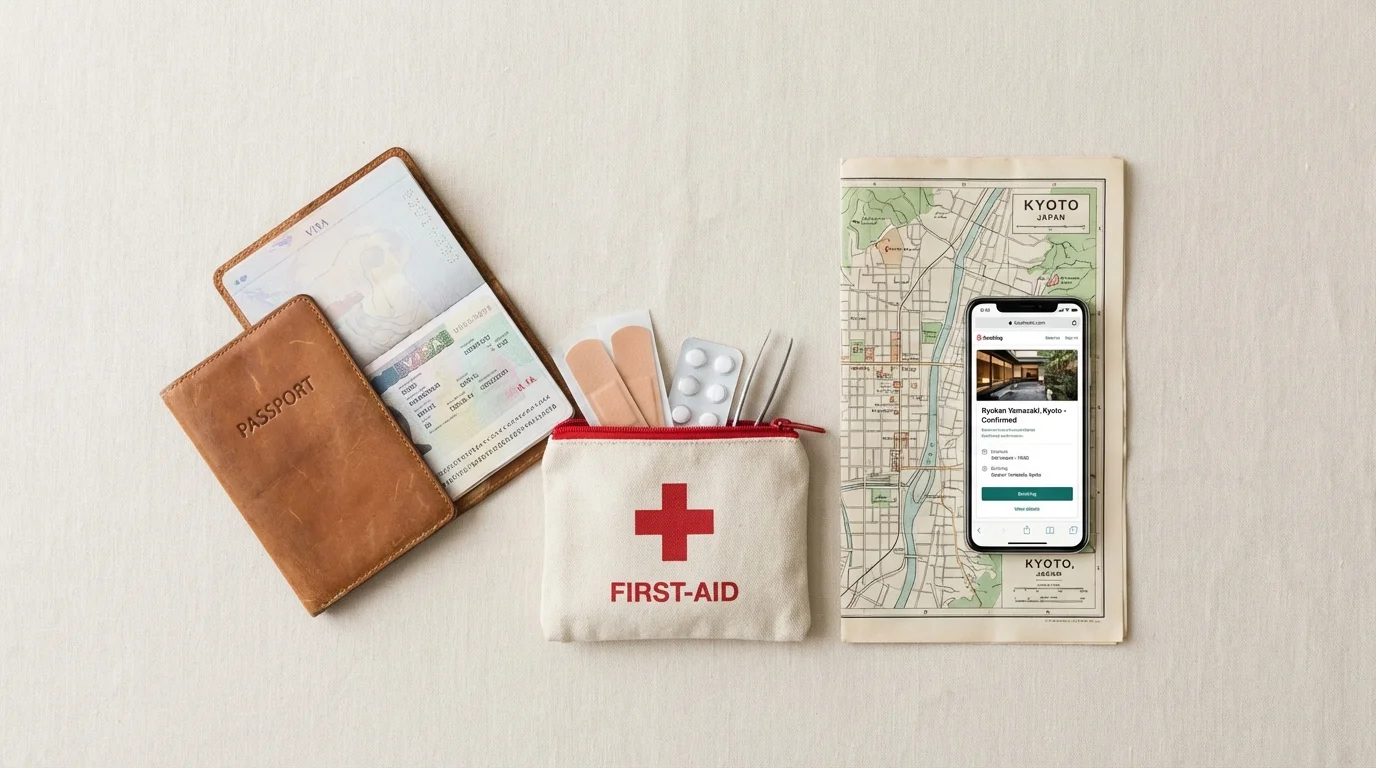
Safety planning doesn’t mean operating from fear—it means traveling with confidence. Share your itinerary with someone you trust. Check in regularly. Keep digital copies of important documents in cloud storage. Research local customs and appropriate dress before arrival.
For women who feel hesitant about traveling completely alone, women’s travel groups offer an excellent middle ground womentravelabroad.com. These small group experiences provide built-in companionship and safety while still allowing personal growth and independence.
The Role of Preparation in Reducing Anxiety
The women who felt most at peace during their first solo trip were those who had prepared thoroughly—not obsessively, but thoughtfully. They had researched neighborhoods, understood transportation options, and made contingency plans. This preparation created a foundation of competence that allowed them to be present during the trip itself.
Make lists. Book key accommodations in advance for at least the first few nights. Have a rough idea of activities that interest you, but leave room for spontaneity. The balance between structure and flexibility looks different for everyone, but erring toward slightly more structure helps reduce decision fatigue during those initial vulnerable days. Also worth reading: Questions To Understand Your Values.
Leveraging Travel for Rebuilding and Redefinition
The true power of solo travel after divorce isn’t fully realized during the trip itself. The most significant changes happen quietly, after you return home. You’ve proven something to yourself—not through grand gestures, but through small daily acts of navigation and choice.

Destinations That Foster Wellness and Renewal
If you’re ready for a destination that supports healing through solo travel, consider places aligned with your emotional needs rather than bucket-list ambitions. Bali, for instance, has become a sanctuary for those seeking spiritual renewal and emotional healing. The island’s peaceful temples, yoga retreats, and wellness culture create an environment conducive to reflection and self-care.
Closer to home, consider hot springs resorts, coastal towns with walking paths, or cities known for their arts and culture scenes. The destination matters less than whether it offers what you need: space to process, beauty to inspire, and enough activity to engage without overwhelming.
For some women, the best choice is a place entirely different from anywhere they traveled with their former spouse. New memories can’t overwrite old ones, but they can begin to fill the canvas with different colors. As one woman described her post-divorce travel, she was finally able to “simply focus on my needs and my healing” while strolling through southern France sasforwomen.com.
How Solo Challenges Build Lasting Confidence
Navigating foreign transportation systems, dining alone without distraction, handling unexpected changes to plans—these challenges become powerful confidence builders. They translate directly into strength in other areas of life.
When you successfully navigate a confusing subway system in a language you don’t speak, something shifts. You’ve proven resourcefulness. When you handle a missed connection or a closed museum with grace instead of panic, you’ve demonstrated adaptability. These moments accumulate into a quiet but unshakable sense: I can handle what comes. See also: Questions To Discover Your Values.
Research shows that more women are discovering these benefits of solo travel after divorce. According to Kayak, searches for solo ventures increased 36% in 2022, suggesting a growing recognition of what independent travel offers. The numbers reflect what women have long known intuitively: stepping out alone, especially after a major life transition, accelerates growth in ways that staying comfortable cannot. If you are looking for ways to build that internal strength, exploring how to build self confidence is a great complement to your travel experiences.
Integrating Lessons Learned: The Change That Happens After You Return Home
The deepest transformation occurs in the weeks and months following your return. You come back changed—not dramatically, not obviously, but fundamentally. You’ve spent time in conversation with yourself, often for the first extended period in years.
Women report that small habits from their travels find their way into daily life. Perhaps you continue the morning walk you discovered abroad. Maybe you’re more intentional about how you spend weekends, less willing to fill time with obligations that don’t serve you. The autonomy practiced on the road begins to feel natural at home.
One traveler noted that her experiences away from the familiar helped her “invite new parts of my identity that were emerging.” This is the real gift of solo travel after divorce—not the photos or the stories, but the reconnection with parts of yourself that went dormant during marriage. You return knowing more about what you want, what you can handle, and who you’re becoming. This process is key to building new identity after divorce.
Frequently Asked Questions About Solo Travel After Divorce

Is it normal to feel scared or hesitant before taking my first solo trip after divorce?
Absolutely normal—and actually a sign that you’re taking the experience seriously. Most women report significant anxiety before their first solo trip after divorce, including months of researching, doubting, and second-guessing. This hesitation isn’t weakness; it’s emotional readiness catching up with logical planning. The fear typically stems from the emotional significance of doing something independently after years of partnership, not from actual danger. Acknowledge the fear, prepare thoughtfully, and proceed anyway.
How much money should I realistically budget for a short, meaningful solo trip?
Budget varies widely based on destination and travel style, but plan for 15-25% more than you’d spend as a couple. Solo travelers often face single supplements at hotels (10-50% surcharges) and can’t split costs for transportation or meals. For a four-day domestic trip, budget $800-1500 including accommodations, meals, and activities. International trips require additional consideration for flights and travel insurance. Create a dedicated savings fund several months before your planned departure to reduce financial stress during the trip.
Should I travel internationally for my first solo trip after divorce, or start closer to home?
Most women benefit from starting closer to home for their first solo experience. A domestic destination or somewhere you’ve visited before reduces the cognitive load while you’re adjusting to traveling alone. You’ll face fewer language barriers, understand the currency, and navigate familiar infrastructure. The emotional significance comes from the act of traveling solo, not the destination’s exoticism. Once you’ve built confidence on a shorter, manageable trip, international adventures will feel far less daunting.
What are the best ways to meet people or feel connected if I don’t want to join a formal tour group?
Consider staying in accommodations that naturally foster connection—small boutique hotels, bed and breakfasts, or women-focused hostels often create opportunities for conversation. Attend cooking classes, walking tours, or workshops where the same group gathers multiple times. Coffee shops and communal tables at restaurants provide low-pressure social contact. Many destinations have Facebook groups for travelers or expats where you can find meetups. Many women, especially solo travel after divorce for women over 50, find that optional connection feels better than forced interaction—give yourself permission to enjoy solitude too.