Relationship Maintenance Tips for Couples: Expert Strategies
Understanding the Foundation: Why Relationship Maintenance Matters

Strong relationships don’t happen by accident. They require deliberate effort, consistent attention, and a willingness to grow together through life’s inevitable changes. Understanding relationship maintenance tips for couples begins with recognizing that lasting love is built through intentional choices, not passive hope.
The Myth of ‘Effortless’ Love vs. Intentional Connection
Popular culture often sells us an appealing fantasy: when you find “the one,” everything falls into place naturally. This myth can be dangerous. Research from the Gottman Institute consistently shows that successful couples make deliberate choices to connect, even when life gets busy or stressful. They treat their relationship as something worthy of investment, not something that runs on autopilot The Gottman Institute. For more guidance, see Conversations To Strengthen Relationship Bonds.
Couples who believe love should be effortless often feel confused or defeated when challenges arise. They may interpret normal relationship struggles as a sign that something is fundamentally wrong. In reality, every partnership experiences periods of disconnection. What matters is how partners respond to those moments.
Recognizing the Signs Your Relationship Needs Attention
Relationships rarely collapse overnight. Instead, they slowly erode through accumulated moments of neglect, unresolved conflicts, and emotional distance. Warning signs include feeling more like roommates than romantic partners, avoiding difficult conversations, or noticing that you’ve stopped sharing your inner world with each other.
According to University of Missouri Extension, relationships have a profound impact on both mental and physical health. Socially isolated individuals face higher risks of premature death compared to those with strong social connections. This underscores why relationship maintenance matters beyond emotional fulfillment—it affects your overall wellbeing.
The Core Components of a Thriving Partnership
A successful relationship involves more than the absence of conflict. Thriving couples share several key elements: mutual respect, emotional responsiveness, shared meaning, and the ability to repair after disagreements. They’ve built what researchers call an “emotional bank account”—a reserve of positive interactions that helps them weather difficult times.
Trust forms the bedrock of this foundation. When both partners feel secure, they can take emotional risks, share vulnerabilities, and grow individually without threatening the relationship’s stability. This security doesn’t emerge from grand gestures but from countless small moments of connection and reliability.
Actionable Relationship Maintenance Strategies for Couples
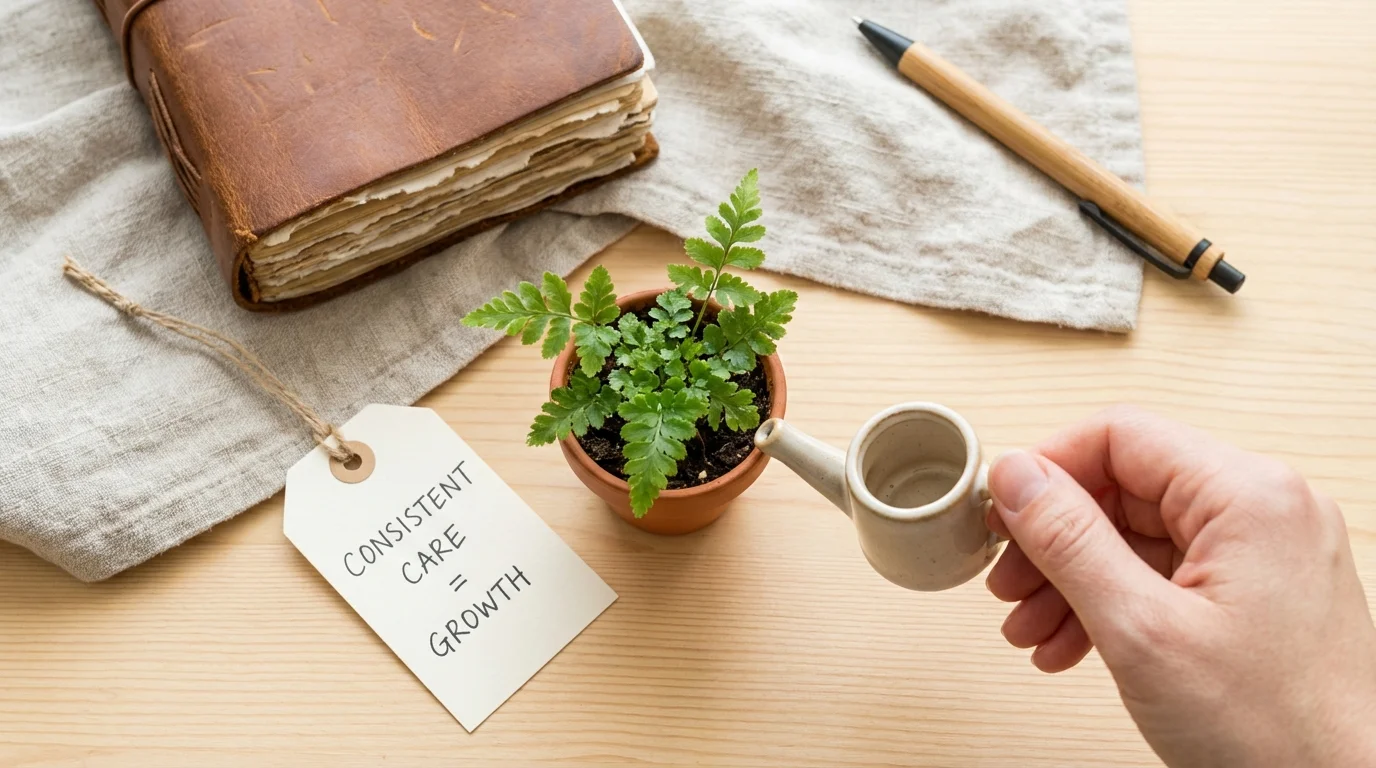
Knowing that relationships require maintenance is one thing; knowing exactly what to do is another. The following strategies offer practical, research-backed approaches to strengthening couple connection and building a partnership that thrives over the long term.
Mastering Open and Honest Communication
Communication remains the cornerstone of any healthy relationship. Yet many couples struggle not because they don’t talk, but because they haven’t developed effective communication tips for couples. Learning how to keep a relationship strong starts with understanding that how you communicate matters as much as what you say. Related reading: How To Handle Different Decor Styles Couples.
Active listening forms the foundation of meaningful dialogue. This means giving your partner your full attention, reflecting back what you’ve heard, and responding with empathy rather than defensiveness. When discussing sensitive topics, timing matters too. Bringing up concerns when your partner is stressed, tired, or distracted rarely leads to productive conversation.
According to The Gottman Institute, learning to communicate better leads to deeper connection and a more fulfilling relationship. Their research-based strategies emphasize that communication isn’t just about exchanging words—it’s about building bridges of understanding and trust. Furthermore, intentional moments to reset communication can build a more resilient relationship The Gottman Institute.
Effective communication also involves expressing feelings without blame. Using “I” statements instead of “you” accusations helps prevent your partner from feeling attacked. Instead of saying “You never listen to me,” try “I feel unheard when I’m interrupted during conversations.” This subtle shift invites collaboration rather than conflict.
Cultivating Friendship, Fondness, and Admiration
The strongest romantic relationships are built on genuine friendship. Partners who genuinely like each other, who appreciate each other’s quirks and qualities, navigate challenges more effectively than those whose connection rests primarily on romantic attraction or shared obligations.
Gottman’s research highlights fondness and admiration as critical predictors of relationship longevity. These qualities manifest in how partners speak about each other—not just to each other, but to others as well. Couples who maintain fondness notice and vocalize what they appreciate about their partner, rather than focusing on flaws or disappointments.
Building this friendship requires regular attention. Ask questions about your partner’s inner world—their hopes, fears, and dreams. Remember details about what matters to them. Show genuine interest in their day, their projects, and their challenges. These small investments compound over time, creating a rich reservoir of connection. Keeping “Love Maps” updated—knowing the details of your partner’s current life—is essential for maintaining this friendship The Gottman Institute.
Injecting Novelty and Exploring New Paths Together
Routine can be comforting, but it can also lead to stagnation. Relationship refresh ideas often involve breaking familiar patterns and introducing new experiences. Novelty activates the brain’s reward system, creating feelings of excitement and engagement that can reignite romantic spark. You might also like Communication Reset For Couples.
This doesn’t require expensive vacations or elaborate gestures. Trying a new restaurant, taking a class together, or exploring a nearby town you’ve never visited can provide fresh material for conversation and shared memory-making. The key is doing something different together—experiences that neither of you has had before.
Therapist Aid offers a helpful relationship maintenance worksheet that identifies key behaviors for maintaining connection. These include expressing appreciation, spending quality time together, and engaging in shared activities that strengthen your bond.
Leveraging Boredom as a Catalyst for Growth
Boredom in a relationship isn’t necessarily a sign of failure. It can serve as valuable information—a signal that something needs attention. Rather than ignoring this feeling or using it as justification for emotional distance, couples can use boredom as motivation for growth.
Sometimes boredom indicates that individual partners have stopped growing. When one person feels stagnant in their personal life, that stagnation often spills into the relationship. Encouraging each other’s individual pursuits, hobbies, and growth can breathe new energy into the partnership.
Other times, boredom signals that the relationship itself has fallen into too-predictable patterns. This is where intentional novelty becomes valuable. Breaking routines, surprising each other, and creating new rituals of connection can transform stagnation into renewed engagement, which is key long-term relationship advice.
Building Resilience: Navigating Challenges and Deepening Intimacy

Even the strongest couples face challenges. What distinguishes thriving partnerships from struggling ones isn’t the absence of difficulties, but the ability to navigate them together while maintaining connection and respect. This is vital for how to keep a relationship strong.
Developing Self-Awareness for Healthier Partnerships
Healthy relationships require healthy individuals. Self-awareness—the ability to recognize and understand your own emotions, triggers, and patterns—forms a crucial foundation for long-term relationship advice that actually works. When you understand yourself better, you can communicate your needs more clearly and respond to your partner more thoughtfully. Also worth reading: How To Rebuild Trust In A Relationship.
Emotional regulation plays a key role here. Partners who can manage their own emotional reactions bring more stability to the relationship. They’re less likely to escalate conflicts or withdraw when things get difficult. This doesn’t mean suppressing emotions, but rather developing the capacity to experience them without being controlled by them.
Understanding your personal values also matters. When you know what truly matters to you, you can distinguish between preferences worth compromising on and core needs that require advocacy. This clarity reduces conflict and helps both partners feel more understood.
Strengthening Emotional Responsiveness and Connection
Emotional responsiveness—how partners react to each other’s bids for connection—significantly impacts relationship satisfaction. These bids can be obvious (asking for help with something) or subtle (a sigh, a glance, a casual comment). How partners respond to these moments shapes the relationship’s emotional climate over time, directly strengthening couple connection.
Research from The Gottman Institute reveals a striking statistic: couples in healthy, happy relationships maintain a 5:1 ratio of positive to negative interactions during conflict, and a 20:1 ratio outside of conflict. This means that for every negative interaction, thriving couples have five to twenty positive exchanges.
Partners who consistently “turn toward” each other’s bids for connection build what researchers call an emotional bank account. These deposits of positive interaction create reserves that help couples weather inevitable conflicts and stressful periods. Over time, this pattern of responsiveness deepens trust and building intimacy in a relationship.
Creating Shared Meaning and Future Goals
Beyond daily interactions, thriving couples develop a sense of shared meaning—a vision of what their life together represents. This might include shared values, family traditions, common goals, or a sense of purpose that extends beyond individual fulfillment.
Creating this shared meaning requires intentional conversation. What do you want to build together? What values guide your decisions? What kind of life do you want to create? These conversations help partners feel like they’re working toward something together, rather than simply coexisting. See also: How to Refresh a Relationship: Rekindle Connection Now.
Shared rituals also contribute to meaning. Weekly date nights, holiday traditions, morning coffee together—these repeated moments of connection create a sense of “us” that strengthens the relationship’s foundation. They serve as anchors during turbulent times, reminders that the partnership has history and continuity.
The Role of Repair in Long-Term Relationship Success
No couple avoids conflict entirely. What matters is how partners repair after disagreements. Successful repair attempts—whether through humor, apology, or simply reaching out—distinguish couples who thrive from those who struggle when navigating relationship challenges.
Repair requires both partners to prioritize the relationship over being “right.” It means taking responsibility for your contribution to conflict, even if it’s small. It means expressing genuine care for your partner’s experience, even when you disagree with their perspective.
Couples who repair effectively don’t avoid difficult conversations. Instead, they’ve learned to navigate conflict in ways that don’t damage their underlying connection. They know how to take breaks when emotions run high, how to return to conversations with fresh perspective, and how to rebuild closeness after disagreement.
Frequently Asked Questions


What are the most common signs a relationship needs maintenance?
Common warning signs include feeling more like roommates than romantic partners, avoiding difficult conversations, noticing decreased physical affection, and feeling emotionally distant. You might also find yourself keeping score of perceived wrongs, feeling defensive during routine interactions, or realizing you’ve stopped sharing your inner thoughts and feelings with your partner. These signs don’t mean your relationship is failing—they indicate it’s time to invest intentional effort.
How can couples improve their communication skills effectively?
Start by practicing active listening—giving your partner full attention without planning your response while they speak. Use “I” statements to express feelings without blame. Choose appropriate timing for sensitive discussions, avoiding moments when either partner is stressed or tired. Make regular time for meaningful conversation beyond logistics and household management. Consider learning structured communication techniques from resources like couples therapy worksheets or relationship education programs.
What are some fun and easy ways to add novelty to a long-term relationship?
Try cooking a new cuisine together, taking a class in something neither of you has tried, exploring nearby towns or neighborhoods you’ve never visited, or creating surprise date nights where one partner plans everything. Even small changes—like taking a different route on your evening walk or trying a new restaurant—can introduce freshness. The key is shared novelty: experiences you have together for the first time.
How does self-awareness contribute to a healthier partnership?
Self-awareness helps you recognize your emotional triggers, communication patterns, and relationship needs. When you understand yourself better, you can communicate more clearly and respond to your partner more thoughtfully. You’re less likely to project past hurts onto current situations or react from unconscious patterns. Self-awareness also helps you distinguish between reasonable needs and unreasonable demands, leading to more productive conflict resolution and deeper intimacy.